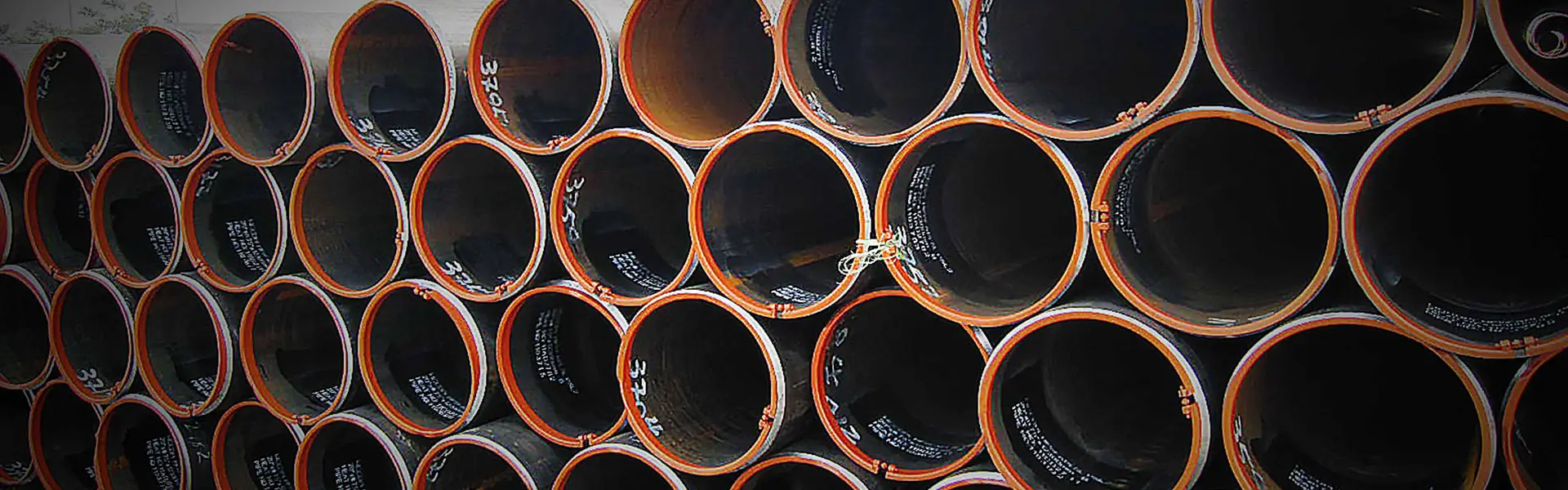
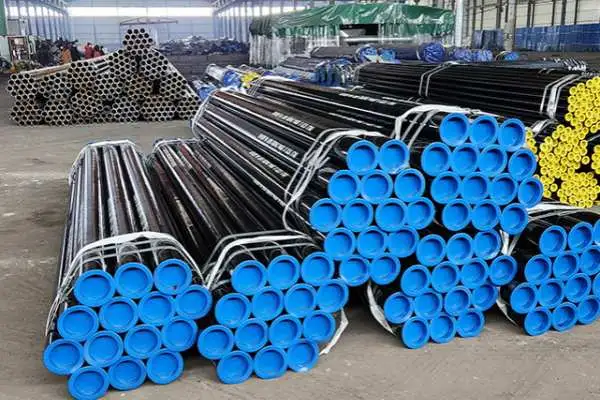
Inspecting steel pipes upon delivery is an essential step in ensuring that the received materials match the purchase order and project specifications. Buyers should verify pipe quantity, type, grade, dimensions, markings, quality documents, and visible transportation damage before accepting the shipment. A systematic receiving inspection helps identify discrepancies early and provides clear records for communication with the supplier.
At Super Steel, we understand that accurate product identification and complete delivery documentation are important parts of reliable steel pipe supply.
1. Check Delivered Steel Pipes Against the Purchase Order
The purchase order (PO) should be the primary reference during receiving inspection. Although the packing list provides information about the shipped materials, the PO defines the specifications and requirements agreed upon between the buyer and supplier.
When steel pipes arrive, check the actual delivery against the following items:
|
Inspection Item
|
What to Verify
|
|
Quantity and Bundles
|
Confirm the number of pipes and bundles received
|
|
Pipe Type
|
Check whether the pipes are seamless or welded, as ordered
|
|
Steel Grade
|
Verify the material grade against the PO
|
|
Outside Diameter
|
Confirm that the actual pipe size matches the specified diameter
|
|
Wall Thickness
|
Check against the ordered wall thickness
|
|
Pipe Length
|
Verify the delivered pipe lengths
|
|
Product Standard
|
Confirm the applicable manufacturing standard
|
|
Special Requirements
|
Check end finish, coating, packaging, and other specified requirements
|
A receiving inspection record can make this comparison easier:
|
Item
|
PO Requirement
|
Packing List
|
Actual Delivery
|
Match?
|
|
Quantity / Bundles
|
|
|
|
Yes / No
|
|
Pipe Type
|
|
|
|
Yes / No
|
|
Steel Grade
|
|
|
|
Yes / No
|
|
Outside Diameter
|
|
|
|
Yes / No
|
|
Wall Thickness
|
|
|
|
Yes / No
|
|
Length
|
|
|
|
Yes / No
|
|
Product Standard
|
|
|
|
Yes / No
|
|
Special Requirements
|
|
|
|
Yes / No
|
Important: Dimensional tolerances, sampling rates, and acceptance criteria are not universal. They should be checked against the purchase contract, applicable product standard, or inspection plan agreed upon with the supplier.
2. Verify Steel Pipe Markings and Quality Documents
Pipe markings and quality documents provide the information needed to trace delivered materials back to their manufacturing records.
Depending on the applicable product standard and purchase contract, steel pipe markings may include:
Steel grade
Pipe size or specification
Applicable product standard
Heat number
Manufacturer's name or identification mark
Buyers should compare the physical markings with the purchase order, packing list, and required quality documents.
Check the Mill Test Certificate (MTC)
The Mill Test Certificate (MTC) is an important document for verifying the material information and test results required by the purchase contract.
During delivery inspection, confirm that:
The required MTC and other certificates have been provided.
The steel grade and pipe dimensions correspond to the ordered specifications.
Heat numbers on the pipes can be matched with the relevant documents.
Manufacturer identification and product information are consistent.
All additional documents specified in the purchase order are available.
If the heat number, material grade, or other information on the pipe does not match the certificate, record the discrepancy and request written verification from the supplier. Do not assume that the mismatch is simply a labeling error.
3. Inspect Steel Pipes for Visible Transportation Damage
Transportation and handling can cause surface damage or deformation. A visual inspection should therefore be carried out when the shipment arrives, preferably before unloading whenever site conditions allow.
Pay particular attention to the following areas:
Surface Condition
Look for obvious corrosion, unusual staining, scratches, or other visible surface changes. For coated pipes, check whether the coating has been damaged, peeled, or exposed during transportation.
Pipe Body Deformation
Check the pipe body for dents, bending, or other visible deformation that may affect the product's condition or subsequent installation.
Pipe Ends and Bevels
Inspect the pipe ends for crushing, burrs, or deformation. Damaged ends and bevels may create difficulties during welding or joining operations.
Packaging and Bundling
Check whether steel straps are broken, wrapping is torn, or bundles have become loose or disturbed. Packaging irregularities may indicate that the materials were affected during loading or transportation.
If a damaged area is found, photograph it and record its location within the shipment. Also note how many pipes appear to be affected.
A visual inspection alone cannot establish full product compliance. Minor surface rust or marks are not automatically grounds for rejection; acceptability depends on the applicable standard and contract requirements. Similarly, a clean-looking pipe does not prove that its dimensions or mechanical properties meet the specification.
4. What Should You Do If Delivered Steel Pipes Do Not Match the Order?
If the delivered pipes differ from the purchase order or show possible transportation damage, buyers should follow a documented procedure rather than making assumptions about the cause.
Step 1: Record the Discrepancy
Identify the affected pipe or bundle and describe the issue clearly. Include the relevant specification, quantity, markings, and measured dimensions where applicable.
Step 2: Take Photographs
Photograph the overall shipment, affected pipe sections, product markings, bundle labels, and damaged areas. Clear photographs help the supplier understand the issue.
Step 3: Keep All Relevant Documents
Retain the purchase order, packing list, MTC, inspection records, and other delivery documents. These records provide the basis for reviewing the discrepancy.
Step 4: Notify the Supplier Promptly
Send the supplier a written report with specific details and supporting photographs. For example, state which bundle or pipe has an incorrect diameter rather than using a general description such as "wrong materials."
Buyers should also check whether the purchase contract specifies a deadline for reporting delivery discrepancies.
Step 5: Agree on a Resolution
The appropriate response depends on the nature and extent of the problem and the terms of the purchase contract. Possible solutions may include re-inspection, replacement, additional supply, or another mutually agreed arrangement.
Where practical, keep disputed pipes separate and identifiable. Avoid cutting or using them before the supplier has responded, unless contract requirements or site safety considerations require otherwise.
5. Steel Pipe Delivery Inspection Checklist
A standardized receiving checklist helps warehouse personnel, quality inspectors, and procurement teams follow the same inspection procedure for every shipment.
The following checklist can be used as a practical receiving record:
|
Check
|
Inspection Item
|
Result / Notes
|
|
☐
|
Quantity matches the purchase order
|
|
|
☐
|
Pipe type and steel grade match the specifications
|
|
|
☐
|
Outside diameter and wall thickness are consistent with the order
|
|
|
☐
|
Pipe lengths meet the specified requirements
|
|
|
☐
|
Required product markings are present and traceable
|
|
|
☐
|
MTC and other required quality documents are available
|
|
|
☐
|
Pipe surfaces show no unacceptable visible damage
|
|
|
☐
|
Pipe ends and bevels have been checked
|
|
|
☐
|
Coating condition has been checked, where applicable
|
|
|
☐
|
Packaging and bundles are in acceptable condition
|
|
|
☐
|
Any discrepancies have been photographed and recorded
|
|
|
☐
|
Supplier has been notified of identified issues
|
|
Receiving Record
PO Number: ____________________
Supplier: ____________________
Date Received: ____________________
Checked By: ____________________
Discrepancy Report Reference: ____________________
Supplier Notification Date: ____________________
Keeping these records makes it easier to track delivery issues and maintain traceability throughout the material receiving process.
6. How Super Steel Supports Reliable Steel Pipe Deliveries
A smooth delivery process depends on clear communication between the buyer and supplier before shipment, as well as accurate product identification and documentation.
At Super Steel, project requirements should be clearly established before order confirmation. Important details include pipe type, steel grade, dimensions, applicable standards, end preparation, coating requirements, and documentation requirements.
For buyers, confirming these details in advance helps reduce the possibility of specification discrepancies during receiving inspection.
A well-organized delivery process should also make it easier to identify each pipe or bundle and match the delivered materials with the corresponding packing list and quality documents.
By emphasizing specification confirmation and delivery traceability, Super Steel aims to support a more straightforward receiving and procurement process for steel pipe orders.
FAQ
1. What should be checked when steel pipes arrive?
Check the quantity, pipe type, steel grade, outside diameter, wall thickness, length, product markings, quality documents, and visible transportation damage.
2. Why should steel pipe markings be checked against the MTC?
Pipe markings, particularly the heat number, help connect the physical materials with their manufacturing and quality records.
3. What documents should accompany a steel pipe delivery?
Typical documents include the packing list, Mill Test Certificate (MTC), and other certificates or inspection records required by the purchase order.
4. What should buyers do if delivered steel pipes are damaged?
Photograph the affected areas, record the pipe or bundle identification, retain the relevant documents, and notify the supplier promptly in writing.
5. Is visual inspection enough to confirm steel pipe quality?
No. Visual inspection is only one part of receiving inspection. Dimensional verification, mechanical testing, and non-destructive testing may be required under the applicable standard or inspection plan.
6. Should buyers reject an entire shipment if some pipes are damaged?
Not necessarily. The appropriate response depends on the number of affected pipes, the type of damage, and the terms of the purchase contract.


 English
 Español
 Français
 بالعربية