-
- +86-186 7319 0580
- 0086186 7319 0580
- sales@super-steels.com


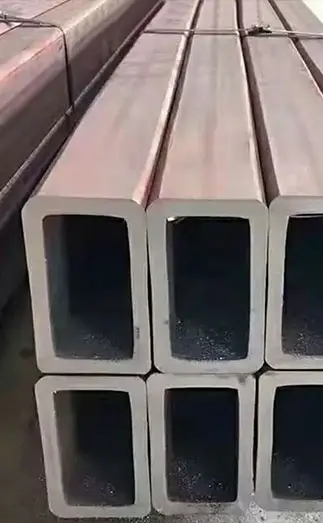
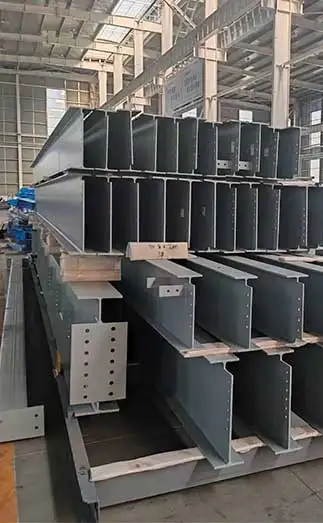
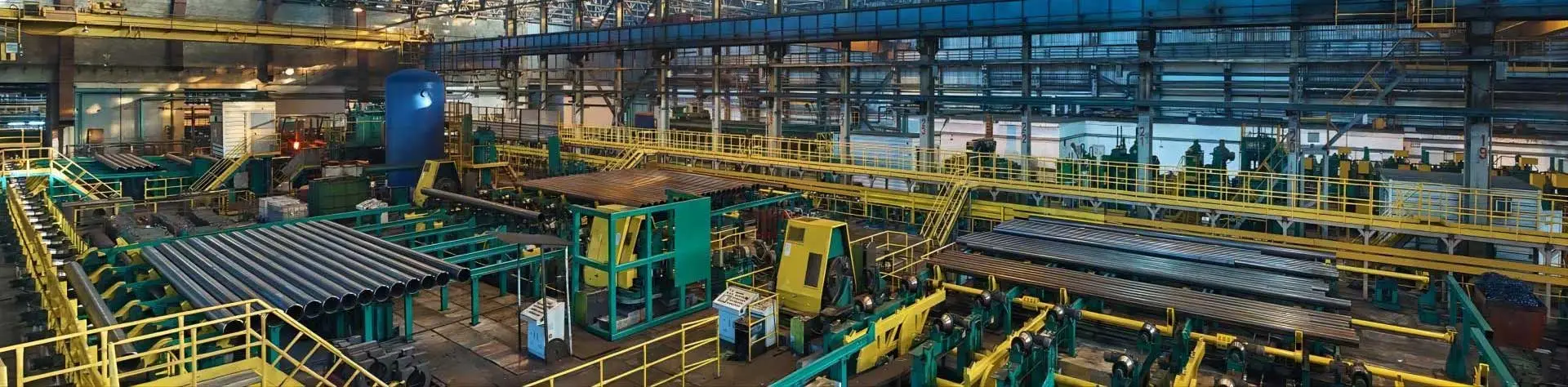
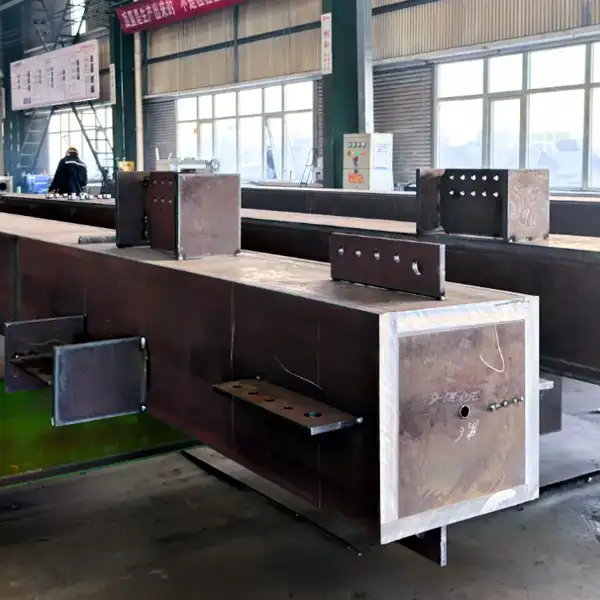
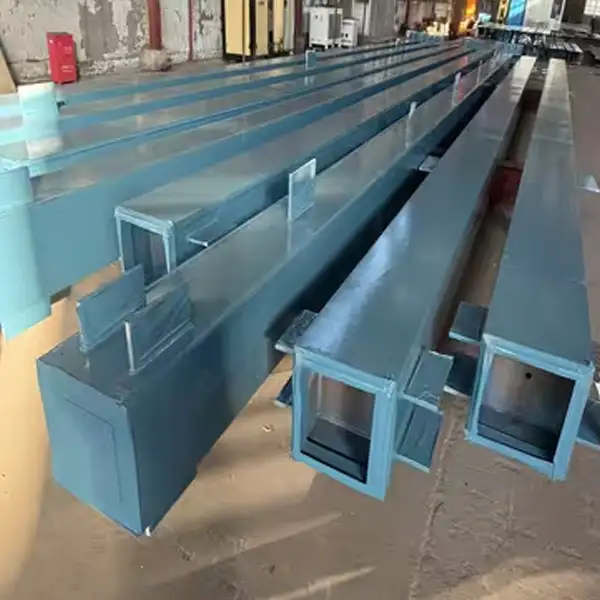
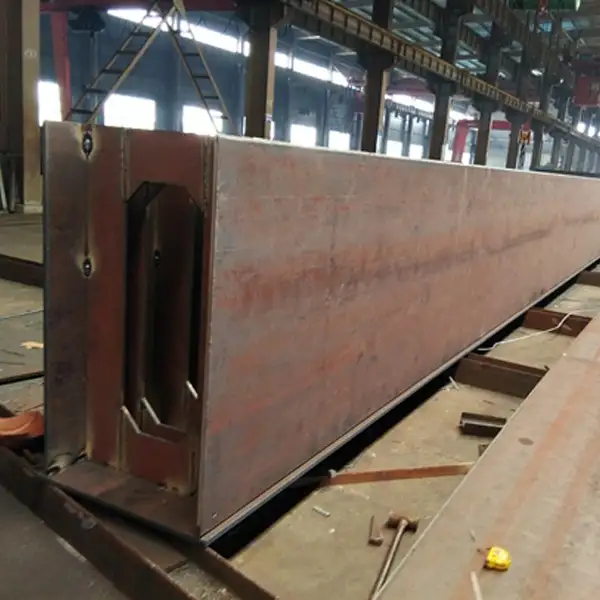
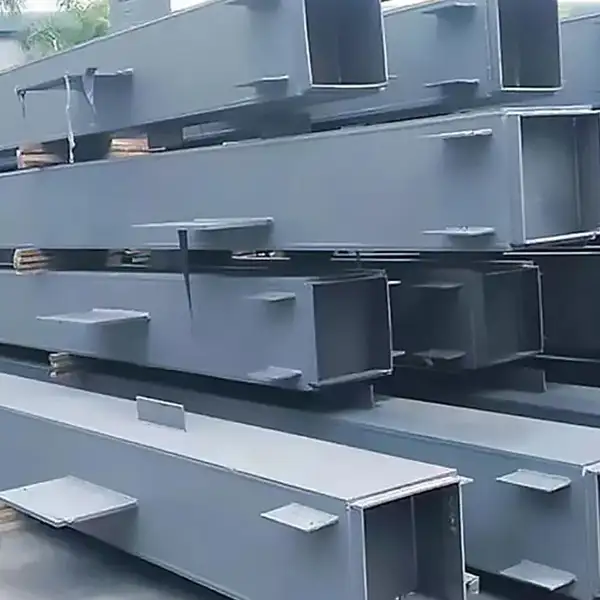
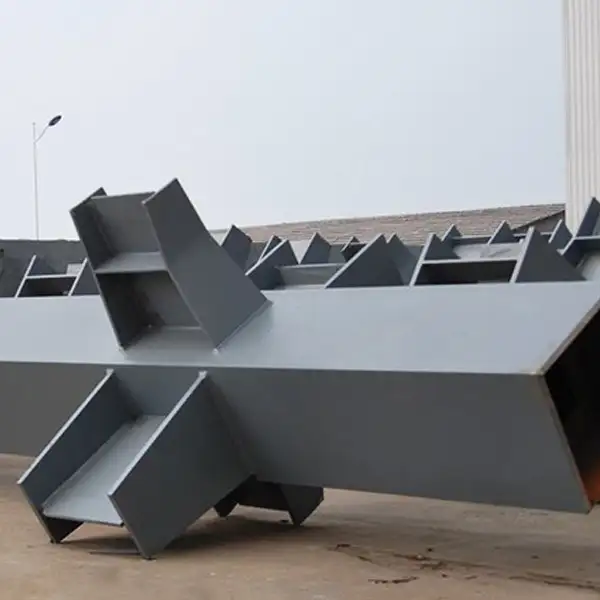
The hollow nature of box beams helps distribute stress evenly, making them highly efficient in terms of both material use and performance. These beams are commonly fabricated from materials like steel, aluminum, or concrete, depending on the needs of the specific project.
Material: Q235B, Q355B,A36,S275
Standard: GB,EN1900,AISC,JIS,CWB
Surface Treatment: 1.Painting 2.Galvanized
Application: Steel Structure Fabrication, Prefabricated Building
Processing Service: Bending, Welding, Decoiling, Cutting, Punching
Package: GP Containers (40 Feet),Break Bulk
Highlight: Prefabricated Steel Structure Fabrication, Building Steel Structure Fabrication, Box Steel Components
Applications of Box Beams
Bridge Construction
One of the most common applications of structural box beams is in bridge construction. Due to their high load-bearing capacity and ability to span long distances with fewer supports, box beams are used to support bridge decks, ensuring stability while minimizing the number of support columns. Their lightweight design allows for easier transportation and placement, reducing the time and costs associated with building bridges.
High-Rise Buildings
In skyscrapers and multi-story buildings, box beams are often integrated into the overall structural design. These beams can support both vertical and horizontal loads, which reduces the need for numerous columns and increases the usable floor area. Their ability to support high loads without increasing the weight of the structure makes them ideal for tall buildings.
Commercial and Industrial Buildings
Structural box beams are widely used in large commercial and industrial buildings, such as warehouses and factories, where open floor space is required. They are often used to support large roofs, offering significant strength and flexibility without the need for multiple support columns in the building’s interior.

| Products | Box Steel Components Steel Structure |
| Main Material | Q235B(ASTM A36,S235JR), Q355B |
| Drawing Design | AUTOCAD /SOLIDWORKS/TEKLA |
| Surface Treatment | Painting, Galvanized |
| Process-Cutting | Laser cutting, plasma cutting, flame cutting for intricate shapes |
| Forming | Rolling, and bending to meet complex structural designs |
| Welding | MIG, TIG, Submerged arc |
| Machining | Drilling, milling for precise fittings |
When choosing the right beam for a construction project, it’s essential to understand the differences between box beams, I-beams, and H-beams. Here’s a comparison of these beam types:
| Beam Type | Advantages | Ideal Use |
|---|---|---|
| Structural Box Beam | Light weight, space for utilities, high load-bearing capacity | Bridges, skyscrapers, industrial buildings |
| I-Beam | Cost-effective, high strength in one direction | Residential and small-scale buildings |
| H-Beam | Strong in all directions, versatile, ideal for heavy loads | Heavy industrial applications, cranes, large bridges |
I-Beams: I-beams are typically less expensive and easy to fabricate. However, they do not offer the same load distribution efficiency as structural box beams. While they are well-suited for general construction, they are not the best option for large spans or where space optimization is crucial.
H-Beams: H-beams are known for their high strength in multiple directions. However, their bulkier design makes them less efficient th
| Sales unit (e.g., unit, barrel, bag, ton, box, etc.) | Tons |
| Shelf life (yes, no or shelf life duration) | None |
| Product dimensions (length, width, height) mm | Determined by demand and drawing |
| Gross weight (kg) | Determined by demand and drawing |
| Net weight (kg) | Determined by demand and drawing |
| Main material of the product | Q355B/Q235B steel, determined by demand and drawing |
| Product packaging list |
Provide component delivery list and theoretical weight details according to actual loading conditions |
| Products | Box Steel Components Steel Structure |
| Main Material | Q235B(ASTM A36,S235JR), Q355B |
| Drawing Design | AUTOCAD /SOLIDWORKS/TEKLA |
| Surface Treatment | Painting, Galvanized |
| Process-Cutting | Laser cutting, plasma cutting, flame cutting for intricate shapes |
| Forming | Rolling, and bending to meet complex structural designs |
| Welding | MIG, TIG, Submerged arc |
| Machining | Drilling, milling for precise fittings |
When choosing the right beam for a construction project, it’s essential to understand the differences between box beams, I-beams, and H-beams. Here’s a comparison of these beam types:
| Beam Type | Advantages | Ideal Use |
|---|---|---|
| Structural Box Beam | Light weight, space for utilities, high load-bearing capacity | Bridges, skyscrapers, industrial buildings |
| I-Beam | Cost-effective, high strength in one direction | Residential and small-scale buildings |
| H-Beam | Strong in all directions, versatile, ideal for heavy loads | Heavy industrial applications, cranes, large bridges |
I-Beams: I-beams are typically less expensive and easy to fabricate. However, they do not offer the same load distribution efficiency as structural box beams. While they are well-suited for general construction, they are not the best option for large spans or where space optimization is crucial.
H-Beams: H-beams are known for their high strength in multiple directions. However, their bulkier design makes them less efficient th
| Sales unit (e.g., unit, barrel, bag, ton, box, etc.) | Tons |
| Shelf life (yes, no or shelf life duration) | None |
| Product dimensions (length, width, height) mm | Determined by demand and drawing |
| Gross weight (kg) | Determined by demand and drawing |
| Net weight (kg) | Determined by demand and drawing |
| Main material of the product | Q355B/Q235B steel, determined by demand and drawing |
| Product packaging list |
Provide component delivery list and theoretical weight details according to actual loading conditions |