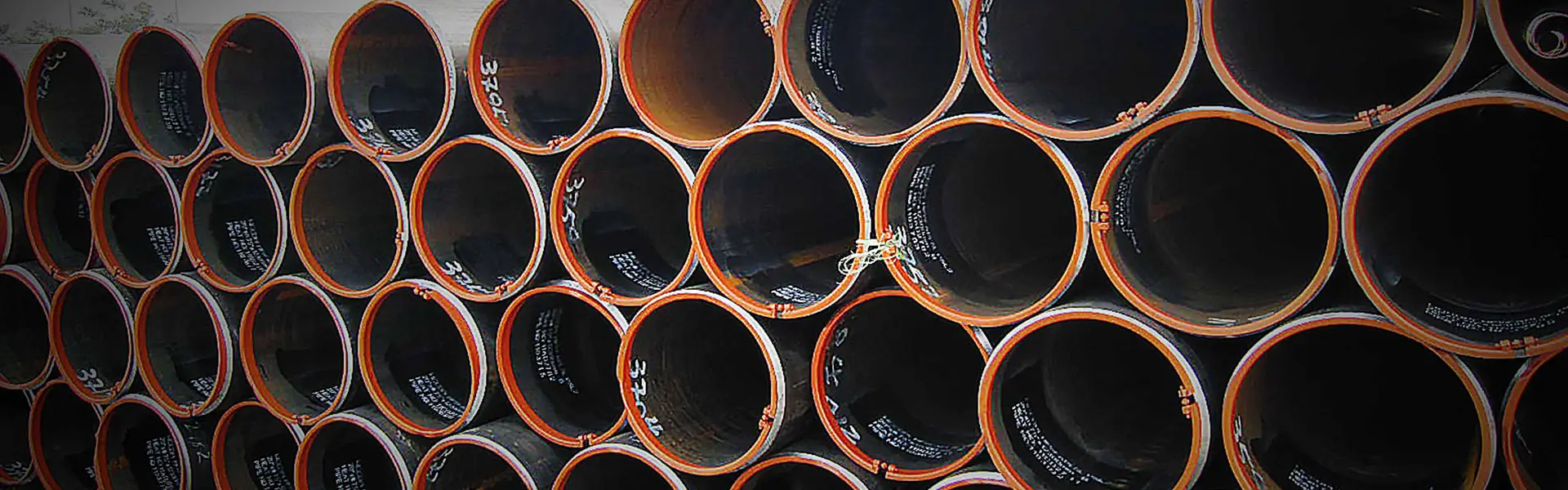
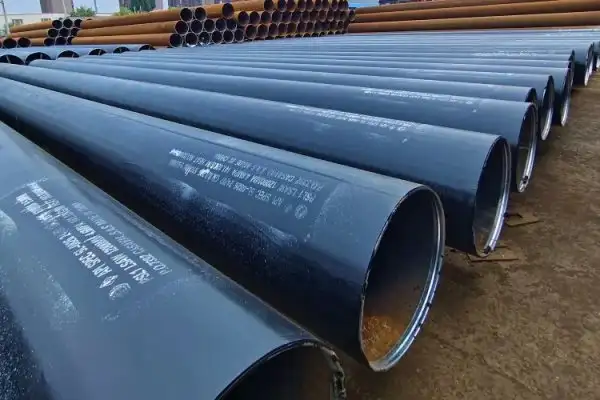
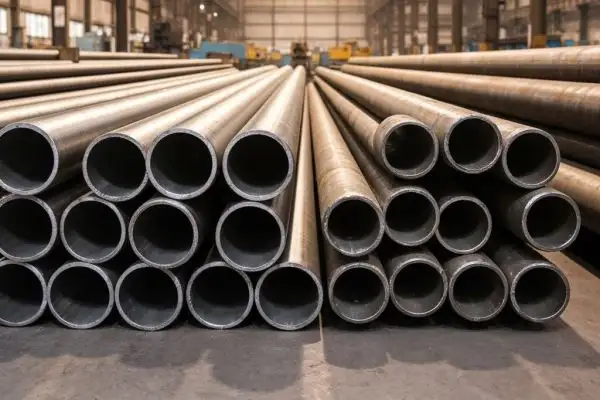
What Is LSAW Steel Pipe?
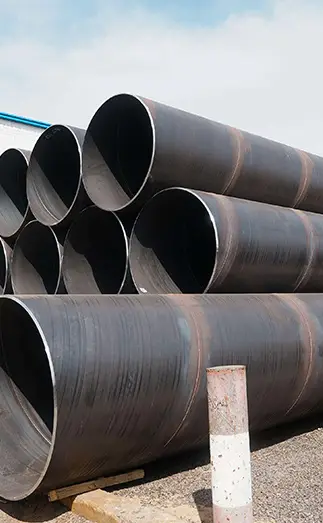
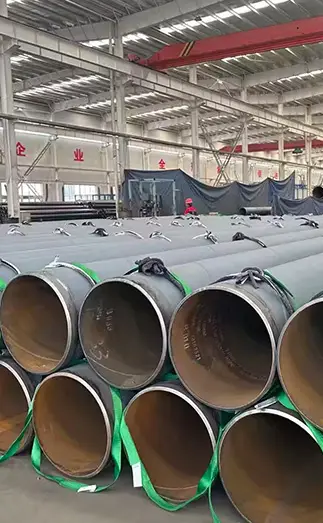
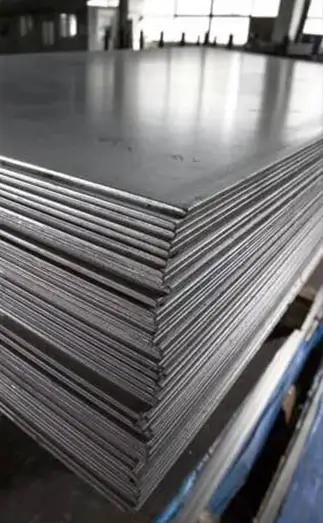
LSAW steel pipe (Longitudinal Submerged Arc Welded Steel Pipe) is manufactured from steel plates through a forming and longitudinal welding process. During production, the steel plate is formed into a cylindrical shape, and the longitudinal seam is joined using the submerged arc welding (SAW) process.
Compared with other welded pipe types, LSAW steel pipe is commonly selected for projects requiring large diameters and thicker wall sections. Its manufacturing process allows manufacturers to produce pipes with controlled dimensions and consistent weld quality.
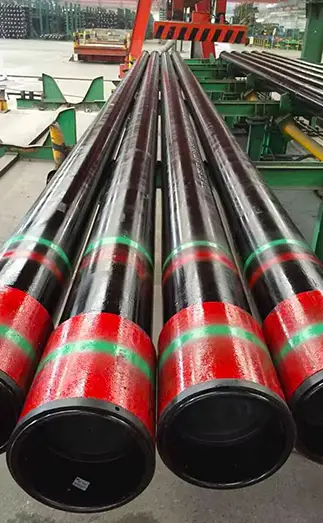
For oil and gas transmission applications, line pipes manufactured in accordance with API 5L must meet specified requirements for production, inspection, and performance. These characteristics make LSAW steel pipe a widely used option for long-distance pipeline projects.
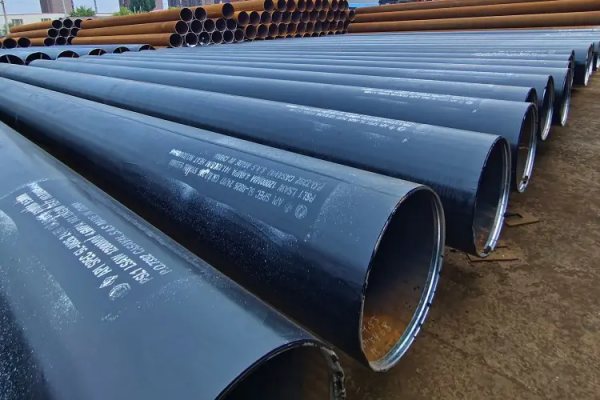
Key Advantages of LSAW Steel Pipe for Pipeline Projects
1. Suitable for Large-Diameter Pipeline Applications
One of the main reasons for selecting LSAW steel pipe is its suitability for large-diameter applications. Its plate-forming process allows manufacturers to produce pipes in larger sizes with controlled dimensional accuracy.
For long-distance transmission systems, larger pipe diameters can help increase transportation capacity. Pipe diameter and wall thickness can also be selected according to project design requirements.
This flexibility makes LSAW pipe suitable for large-scale oil and gas transmission pipelines and other industrial infrastructure projects.
2. Consistent Longitudinal Weld Quality
Weld quality is a critical consideration in pipeline construction, particularly when pipes are used for high-pressure transmission services.
LSAW steel pipes are manufactured using the submerged arc welding process, which provides controlled welding conditions and helps maintain consistent weld quality. Appropriate welding procedures and production controls are essential to achieving reliable longitudinal seams.
Before delivery, LSAW pipes may undergo inspection procedures such as ultrasonic testing (UT) and hydrostatic testing. These tests help detect potential defects and verify compliance with applicable product requirements.
3. Compliance with International Pipeline Standards
Large-scale pipeline projects often require steel pipes to comply with recognized international specifications.
API 5L establishes requirements for line pipe manufacturing, material properties, testing, and inspection. Compliance with the applicable API 5L requirements helps ensure that LSAW steel pipes meet the technical specifications established for oil and gas transportation projects.
For buyers, it is important to confirm the required API 5L grade, PSL level, pipe dimensions, inspection scope, and documentation before placing an order.
Conclusion
LSAW steel pipe is often selected for large-diameter pipeline projects because of its suitability for thicker wall sections, controlled dimensional accuracy, and longitudinal submerged arc welding process. Combined with appropriate inspection procedures and compliance with applicable API 5L requirements, it provides a practical solution for demanding oil and gas transmission applications.
When selecting LSAW steel pipes for a pipeline project, buyers should evaluate pipe diameter, wall thickness, material grade, weld quality, inspection requirements, and applicable standards to ensure that the product meets the project's engineering specifications.
FAQ
1. What is LSAW steel pipe?
LSAW steel pipe is a welded steel pipe manufactured from steel plates using a longitudinal submerged arc welding process.
2. Why is LSAW steel pipe used for pipeline projects?
It is suitable for large diameters and thicker wall sections, making it a practical choice for large-scale transmission pipelines.
3. What are the main advantages of LSAW steel pipe?
Its main advantages include large-diameter manufacturing capability, controlled dimensions, and consistent longitudinal weld quality.
4. Which standard is commonly used for LSAW pipeline steel pipes?
API 5L is a widely used standard for line pipes in oil and gas transportation applications.
5. How are LSAW steel pipes inspected?
Common inspection methods include ultrasonic testing and hydrostatic testing, depending on the applicable specifications and project requirements.


 English
 Español
 Français
 بالعربية