How Does the SSAW Steel Pipe Manufacturing Process Work?
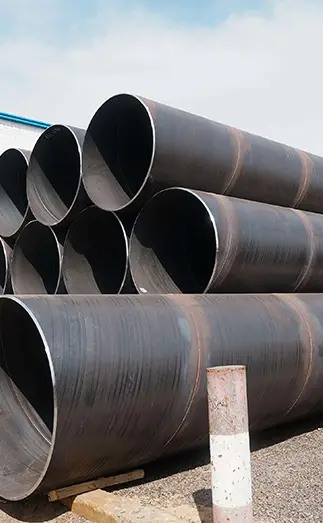
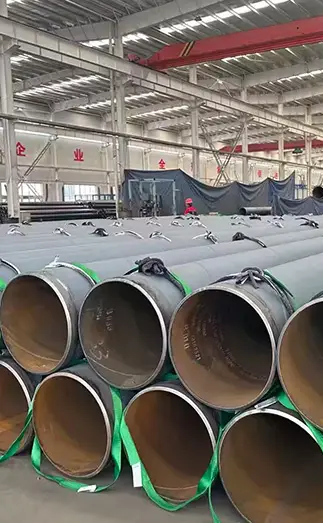
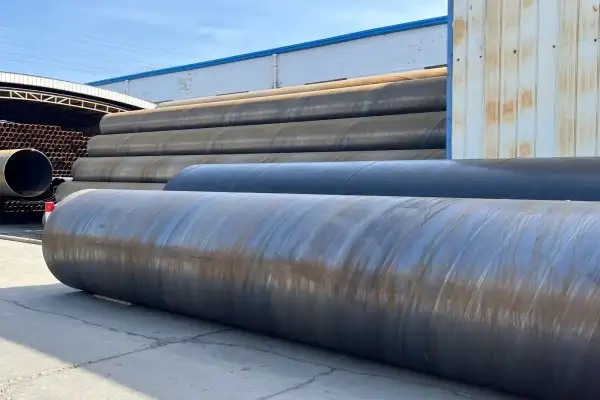
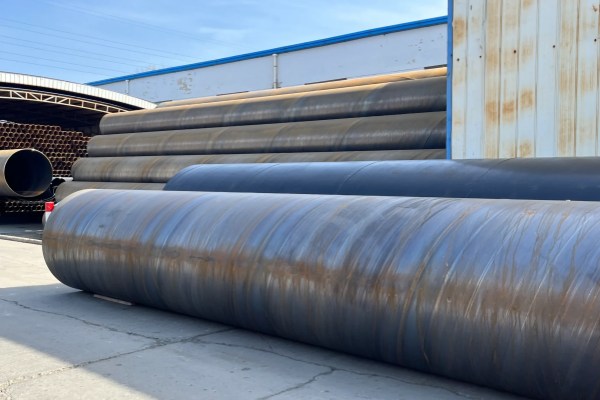
SSAW (Spiral Submerged Arc Welded) steel pipe is manufactured by forming hot-rolled steel coils into a spiral shape and welding the seam using submerged arc welding technology. This production method allows manufacturers to produce large-diameter pipes with different specifications while maintaining controlled forming and welding conditions.
For pipeline and infrastructure projects, pipe strength depends on several factors, including raw material quality, forming accuracy, weld integrity, dimensional control, and final inspection. At Super Steel, these production stages are essential to delivering SSAW steel pipes that meet specified project requirements.
Key Steps in SSAW Steel Pipe Manufacturing
1. Steel Coil Preparation
Production begins with hot-rolled steel coils. The strip is uncoiled and leveled to prepare a consistent steel surface for forming. Incoming material quality is important because variations in thickness, surface condition, or mechanical properties can affect subsequent manufacturing processes.
2. Spiral Forming and Diameter Control
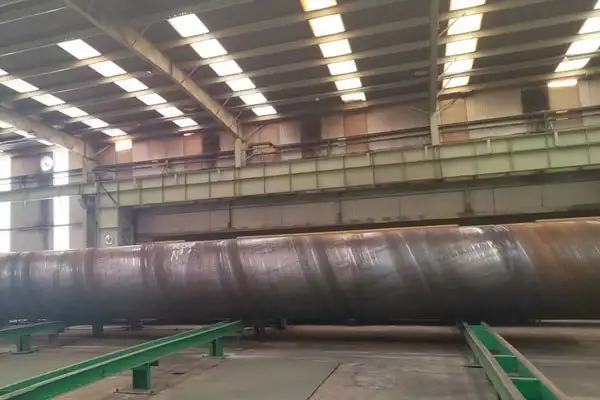
The prepared steel strip enters the forming machine, where it is gradually shaped into a continuous spiral. By adjusting the forming angle, manufacturers can produce pipes with different diameters from a given strip width.
This flexibility is one of the main advantages of the SSAW process. It enables the production of large-diameter steel pipes without requiring a separate strip width for every pipe size, subject to equipment and production limitations.
3. Double-Sided Submerged Arc Welding
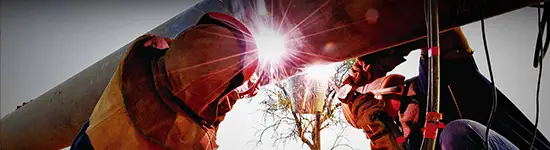
After forming, the spiral seam is welded from both the inside and outside using submerged arc welding (SAW).
The controlled welding process creates a continuous spiral weld designed to meet the specified strength and quality requirements. Welding parameters and inspection procedures must be properly managed to identify potential defects and ensure compliance with the applicable pipe standard.
4. Pipe Cutting and Dimensional Inspection
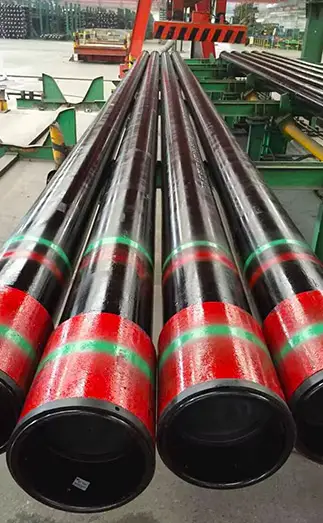
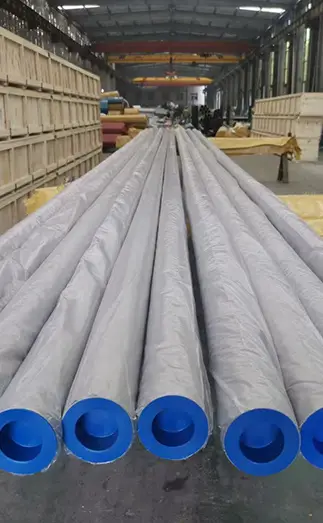
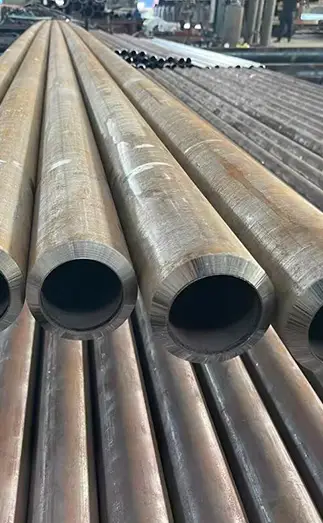
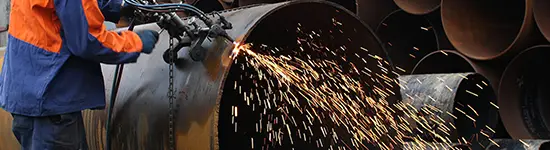
Once welding is completed, the pipe is cut to the required length. SSAW production can accommodate customized lengths, including pipes longer than the common 12-meter supply length, depending on manufacturing capabilities, handling conditions, and transportation restrictions.
Finished pipes are checked for critical dimensions, including outside diameter, wall thickness, length, and other project-specific tolerances.
How Is SSAW Pipe Strength Verified?
Manufacturing controls must be supported by appropriate inspection and testing. Depending on the governing standard and purchase order, SSAW steel pipes may undergo the following checks:
|
Inspection Method
|
Purpose
|
|
Ultrasonic Testing (UT)
|
Detects internal discontinuities in the weld or other specified areas
|
|
Radiographic Testing (RT)
|
Examines weld integrity using radiographic imaging where required
|
|
Hydrostatic Testing
|
Checks the pipe's pressure integrity under specified test conditions
|
|
Dimensional Inspection
|
Verifies diameter, wall thickness, length, and tolerances
|
|
Visual Inspection
|
Identifies visible surface defects and checks general workmanship
|
The exact inspection scope depends on the pipe standard, steel grade, application, and customer requirements. Not every order necessarily requires every testing method listed above.
At Super Steel, quality control should cover the production stages from incoming steel coils through forming, welding, finishing, and final inspection. This systematic approach helps ensure that the supplied pipes conform to the agreed specifications.
Why the SSAW Manufacturing Process Matters
The SSAW production method offers several practical advantages for large-diameter pipe projects:
Flexible diameter production: Adjustable spiral forming accommodates a range of pipe diameters.
Continuous welded construction: The spiral seam extends along the pipe body and is produced using controlled welding procedures.
Customized pipe lengths: Lengths can be tailored to project needs and transportation limits.
Inspection throughout production: Material checks, weld examination, and dimensional verification help identify quality issues before delivery.
These advantages make SSAW steel pipes suitable for applications such as water transmission, oil and gas pipelines, piling, and other infrastructure projects when the selected pipe specification meets the required service conditions.
Conclusion
SSAW steel pipe strength is not determined by welding alone. It depends on the combined control of raw materials, spiral forming, double-sided submerged arc welding, cutting, and final inspection.
At Super Steel, understanding these manufacturing stages helps customers evaluate pipe quality and specify products that meet their project requirements. Before ordering, buyers should confirm the applicable standard, steel grade, dimensions, testing scope, and delivery specifications.
FAQ
1. What does SSAW stand for?
SSAW stands for Spiral Submerged Arc Welded, a process used to manufacture spiral welded steel pipes.
2. How are SSAW steel pipes welded?
The spiral seam is welded from both the inside and outside using submerged arc welding.
3. How is SSAW pipe quality tested?
Common inspection methods include ultrasonic testing, radiographic testing, hydrostatic testing, and dimensional inspection, depending on project requirements.
4. What pipe diameters can SSAW manufacturing produce?
SSAW manufacturing can produce a wide range of diameters by adjusting the steel strip's forming angle, subject to equipment capabilities and project specifications.


 English
 Español
 Français
 بالعربية