What Standards Apply to SSAW Steel Pipes?
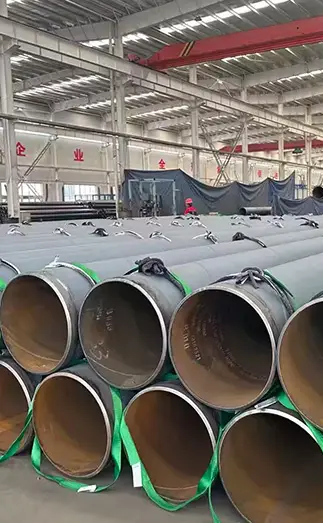
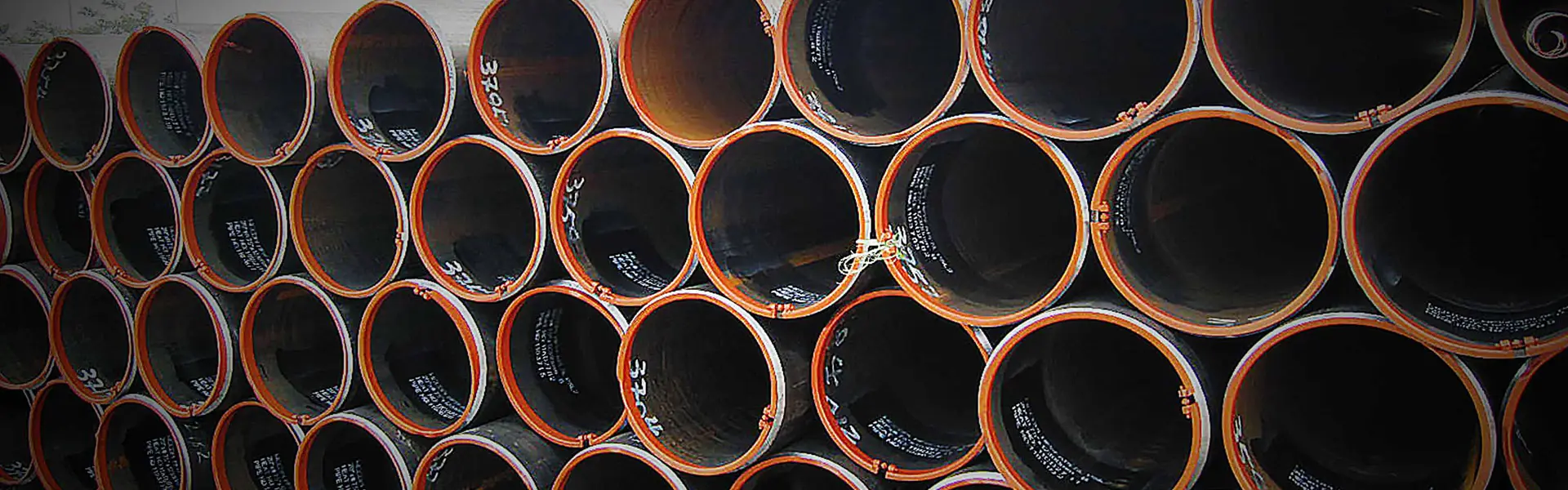
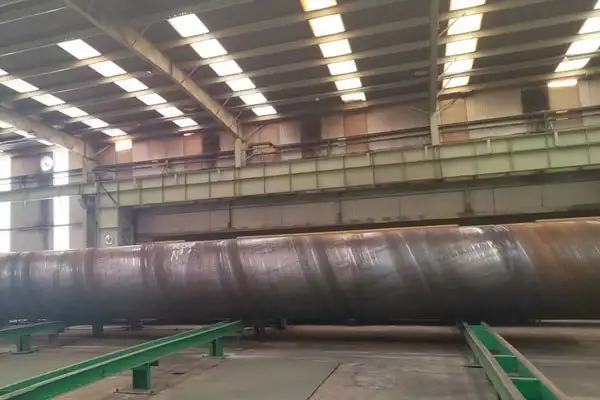
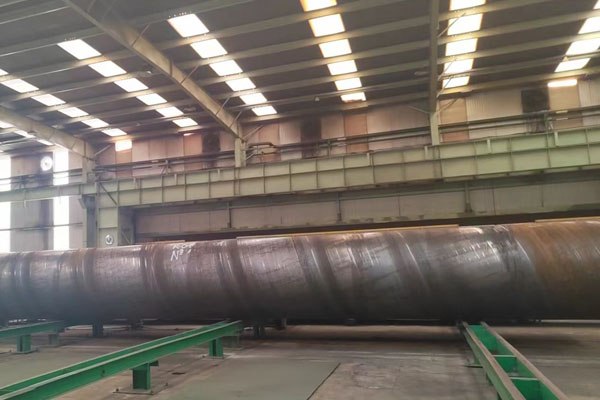
SSAW (Spiral Submerged Arc Welded) steel pipes are manufactured to meet different international standards according to their intended applications, material grades, dimensions, and testing requirements. Selecting the correct specification is essential for ensuring project compliance, reliable performance, and efficient installation.
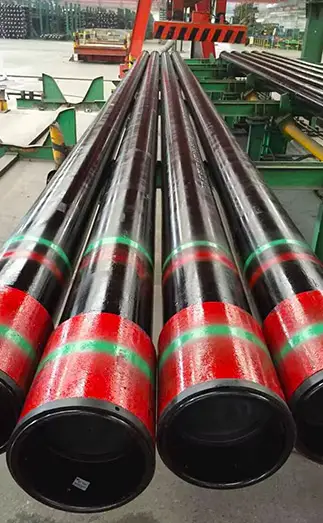
Common standards associated with SSAW steel pipes include API 5L for line pipe applications, ASTM A252 for welded steel pipe piles, and EN 10219 for cold-formed welded structural hollow sections. For pressure-purpose welded steel pipes in Europe, EN 10217 may also be relevant, depending on the product type and applicable part of the standard.
The appropriate standard should always be confirmed against the project's technical specification, operating conditions, and applicable regulations.
Common SSAW Steel Pipe Standards
|
Standard
|
Primary Application
|
Key Considerations
|
|
API 5L
|
Oil and gas pipeline systems
|
Line-pipe grades, mechanical properties, chemical composition, and inspection requirements
|
|
ASTM A252
|
Foundation and structural piling
|
Requirements for welded and seamless steel pipe piles
|
|
EN 10219
|
Structural applications
|
Cold-formed welded structural hollow sections
|
|
EN 10217
|
Pressure applications
|
Technical delivery conditions for welded steel tubes, according to the relevant part
|
|
ASTM A53
|
General-purpose pressure and mechanical applications
|
Product type, grade, dimensions, and applicable testing requirements
|
Important: These standards are not interchangeable. For example, ASTM A252 pipe piles should not automatically be treated as substitutes for API 5L line pipe. Always verify that the selected product standard covers the intended service.
SSAW Steel Pipe Grades and Dimensions
SSAW pipes are available in different steel grades and sizes to accommodate pipeline construction, water transmission, foundation engineering, and other infrastructure projects.
Common API 5L line-pipe grades include Grade B, X42, X52, X60, and X70. The higher grade designation generally indicates a higher specified minimum yield strength, but the complete material requirements must be checked in the applicable standard.
Typical supply dimensions may include:
|
Specification
|
Typical Supply Range
|
|
Outside Diameter
|
219.1–3,500 mm
|
|
Wall Thickness
|
5–25 mm
|
|
Length
|
6 m, 12 m, and customized lengths up to 35 m
|
|
Steel Grades
|
Grade B, X42, X52, X60, X70, subject to the applicable standard
|
|
Surface Protection
|
3LPE, FBE, cement lining, galvanizing, or painting, depending on requirements
|
These dimensions represent a typical supply range rather than universal limits imposed by every standard. Actual availability depends on manufacturing capabilities, steel grade, pipe dimensions, and project requirements.
How to Select the Right SSAW Pipe Standard
1. Oil and Gas Pipelines
For oil and gas transmission, API 5L is a commonly specified line-pipe standard. Buyers should confirm the required grade, product specification level (PSL), dimensional tolerances, testing, and any supplementary project requirements.
2. Water Transmission Projects
Water transmission pipelines require specifications appropriate to the design pressure, water quality, installation conditions, and corrosion-protection system. The project may specify a line-pipe standard together with internal lining and external coating requirements.
3. Building and Bridge Foundations
For foundation piling, ASTM A252 is a commonly used specification for steel pipe piles. Selection should consider the pile design, required dimensions, steel grade, and applicable structural requirements.
4. European Structural and Pressure Applications
EN 10219 is relevant to cold-formed welded structural hollow sections, while EN 10217 covers welded steel tubes for pressure purposes under its applicable parts. Confirm the exact product form and relevant standard before placing an order.
Coating Options for SSAW Steel Pipes
Corrosion protection is another important part of the pipe specification. Depending on the service environment and project design, available options may include:
3LPE coating: A multilayer polyethylene system used for external corrosion protection.
FBE coating: Fusion-bonded epoxy applied for external or other specified coating requirements.
Cement lining: Used in certain water-service applications to protect the pipe interior.
Galvanizing or painting: Selected where appropriate for the intended environment and project specification.
Coating selection should account for operating conditions, soil or water exposure, temperature, handling, and installation requirements. Coating thickness, inspection criteria, and surface preparation should be specified separately where required.
Quality Inspection and Project Compliance
Compliance involves more than choosing a standard name. Buyers should confirm material traceability, dimensional inspection, mechanical testing, weld inspection, and any required non-destructive testing or hydrostatic testing specified by the governing standard and purchase order.
Third-party inspection by organizations such as SGS, BV, or TÜV may be arranged when required by the project. The inspection scope and acceptance criteria should be agreed in advance; the involvement of an inspection organization alone does not automatically establish compliance with every project requirement.
At Union Steel Industry, SSAW steel pipe supply can be tailored to project requirements for dimensions, material grades, and protective coatings. Providing a clear technical specification at the inquiry stage helps align manufacturing, inspection, and delivery with the project's needs.
Conclusion
Choosing the right SSAW steel pipe standard starts with the intended application. API 5L is commonly used for line pipe, ASTM A252 for steel pipe piles, EN 10219 for structural hollow sections, and EN 10217 for applicable pressure-purpose welded tubes.
Before ordering, confirm the governing standard and edition, steel grade, outside diameter, wall thickness, length, testing requirements, and coating system. A complete specification reduces ambiguity during procurement and helps ensure that the supplied pipe meets the project's technical requirements.
FAQ
1. Which standard is commonly used for SSAW line pipe?
API 5L is commonly specified for line pipe used in oil and gas transportation. The required grade and PSL should be confirmed in the project specification.
2. Is ASTM A252 suitable for foundation piling?
Yes. ASTM A252 covers welded and seamless steel pipe piles used in foundation and structural applications.
3. What is the difference between EN 10219 and EN 10217?
EN 10219 applies to cold-formed welded structural hollow sections, while EN 10217 covers welded steel tubes for pressure purposes under the relevant parts.
4. What information should buyers provide when ordering SSAW pipes?
Specify the applicable standard and edition, grade, outside diameter, wall thickness, length, quantity, inspection requirements, and coating or lining system.


 English
 Español
 Français
 بالعربية