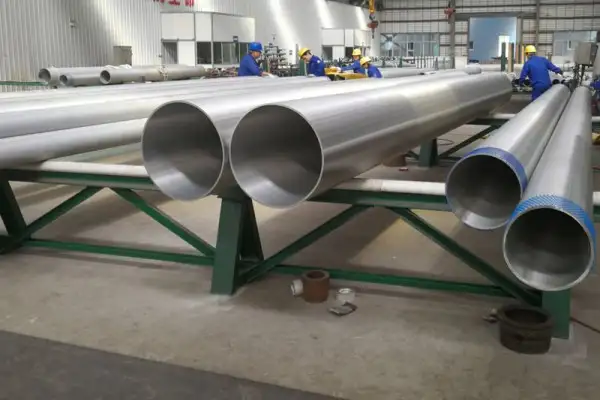
What Is the Pressure Rating of Hastelloy Pipe?
The pressure rating of Hastelloy X, C4, C22 and C276 pipe depends on pipe size, wall thickness, temperature, material properties, and applicable design requirements. Pipe schedules such as SCH 40, SCH 80, and SCH 160 indicate different wall thickness series and affect the pressure capacity of a pipe.
The following chart provides the pressure-rating values supplied for selected seamless pipe sizes and schedules at different temperatures. It can be used as a preliminary reference when comparing pipe dimensions and temperature conditions.
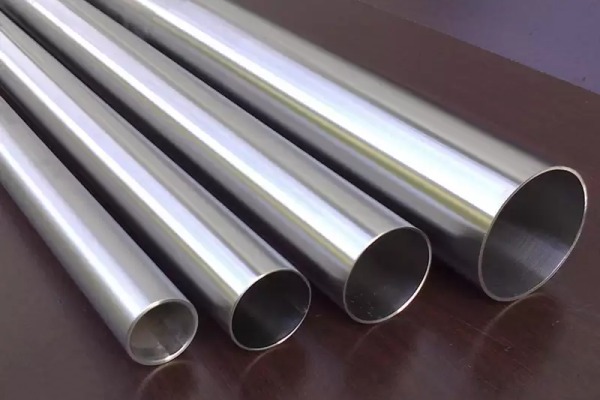
Hastelloy Pipe Pressure Rating Chart
The table below reproduces the supplied data. Temperature columns remain in the original order to avoid changing the source values.
|
Pipe Schedule
|
Pipe Size (in.)
|
200°F
|
100°F
|
300°F
|
500°F
|
400°F
|
600°F
|
700°F
|
650°F
|
750°F
|
|
80
|
1
|
3634
|
4213
|
3265
|
2791
|
3002
|
2659
|
2528
|
2580
|
2501
|
|
40
|
1
|
2629
|
3048
|
2362
|
2019
|
2171
|
1924
|
1824
|
1867
|
1810
|
|
40
|
1.5
|
1947
|
2257
|
1750
|
1496
|
1608
|
1425
|
1354
|
1383
|
1340
|
|
160
|
1
|
5296
|
6140
|
4759
|
4068
|
4375
|
3876
|
3684
|
3761
|
3646
|
|
160
|
1.5
|
3984
|
4619
|
3580
|
3060
|
3291
|
2916
|
2772
|
2829
|
2743
|
|
80
|
1.5
|
2744
|
3182
|
2466
|
2108
|
2267
|
2009
|
1909
|
1949
|
1889
|
|
80
|
2
|
2369
|
2747
|
2129
|
1820
|
1957
|
1734
|
1648
|
1682
|
1631
|
|
40
|
2
|
1640
|
1902
|
1474
|
1260
|
1355
|
1201
|
1141
|
1165
|
1129
|
|
40
|
3
|
1558
|
1806
|
1400
|
1196
|
1287
|
1140
|
1084
|
1106
|
1072
|
|
160
|
2
|
3880
|
4499
|
3486
|
2980
|
3205
|
2840
|
2699
|
2755
|
2671
|
|
160
|
3
|
3312
|
3840
|
2976
|
2544
|
2736
|
2424
|
2304
|
2352
|
2280
|
|
80
|
3
|
2202
|
2553
|
1979
|
1691
|
1819
|
1612
|
1532
|
1564
|
1516
|
|
80
|
4
|
1909
|
2213
|
1715
|
1466
|
1577
|
1397
|
1328
|
1355
|
1314
|
|
40
|
4
|
1321
|
1531
|
1187
|
1014
|
1091
|
967
|
919
|
938
|
909
|
|
40
|
5
|
1158
|
1342
|
1040
|
889
|
956
|
847
|
805
|
822
|
797
|
|
160
|
4
|
3106
|
3601
|
2791
|
2386
|
2566
|
2273
|
2161
|
2206
|
2138
|
|
80
|
5
|
1709
|
1981
|
1535
|
1312
|
1411
|
1250
|
1189
|
1213
|
1176
|
|
160
|
5
|
2945
|
3414
|
2646
|
2262
|
2433
|
2155
|
2049
|
2091
|
2027
|
|
80
|
6
|
1650
|
1913
|
1483
|
1267
|
1363
|
1208
|
1148
|
1172
|
1136
|
|
40
|
6
|
1052
|
1219
|
945
|
808
|
869
|
770
|
732
|
747
|
724
|
|
40
|
8
|
926
|
1073
|
832
|
711
|
765
|
678
|
644
|
657
|
637
|
|
160
|
6
|
2836
|
3289
|
2549
|
2179
|
2343
|
2076
|
1973
|
2014
|
1953
|
|
160
|
8
|
2738
|
3175
|
2460
|
2103
|
2262
|
2004
|
1905
|
1944
|
1885
|
|
80
|
8
|
1459
|
1692
|
1311
|
1121
|
1205
|
1068
|
1015
|
1036
|
1005
|
|
80
|
10
|
1388
|
1609
|
1247
|
1066
|
1147
|
1016
|
966
|
986
|
956
|
|
40
|
10
|
840
|
974
|
755
|
945
|
694
|
615
|
584
|
596
|
578
|
|
160
|
10
|
2714
|
3147
|
2439
|
2085
|
2242
|
1986
|
1880
|
1927
|
1868
|
Important: The source table does not specify the pressure unit or the calculation standard. The value of 945 for the 10-inch Schedule 40 pipe at 500°F also appears inconsistent with the surrounding temperature trend and should be verified against the original engineering data before use.
How Do Pipe Schedule and Temperature Affect Pressure Rating?
1. Pipe Schedule
For the same nominal pipe size, a higher schedule generally means a thicker wall. For example, the supplied chart lists higher pressure-rating values for Schedule 160 than for Schedule 40 at the same listed size and temperature.
However, schedule alone does not establish the allowable operating pressure. The material specification, actual dimensions, design code, and service conditions must also be considered.
2. Operating Temperature
The pressure capacity of metallic piping generally changes with temperature because material strength and allowable stress vary under elevated-temperature conditions. The supplied chart shows this trend for most listed combinations.
Engineers should use the temperature corresponding to the actual design condition and verify the value against the applicable piping code.
3. Pipe Size
Pipe size also affects pressure design. Outside diameter and wall thickness are key inputs when determining the pressure capacity of a straight pipe. Larger nominal sizes do not automatically mean higher pressure capacity; the complete dimensional and material specification matters.
How to Use the Hastelloy Pipe Pressure Chart
Before using the chart for engineering or procurement, confirm the following:
Material grade: Verify whether the pipe is Hastelloy X, C4, C22, or C276.
Pipe dimensions: Confirm nominal size, outside diameter, wall thickness, and schedule.
Design temperature: Match the required operating and design temperatures.
Pressure unit and calculation basis: Confirm the unit and applicable standard behind the tabulated values.
Service conditions: Consider corrosion allowance, fluid characteristics, connections, and other design requirements.
The table is a preliminary reference, not a substitute for a code-based pressure design calculation. The available data also do not establish separate, grade-specific ratings for Hastelloy X, C4, C22, and C276.
Conclusion
The pressure rating of Hastelloy pipe depends on the relationship between pipe schedule, dimensions, temperature, and material properties. The supplied chart provides a starting point for comparing selected seamless pipe sizes, but its units and calculation basis must be confirmed before the values are used for design or procurement.
FAQ
1. What affects Hastelloy pipe pressure rating?
Pipe size, wall thickness, material properties, temperature, and the applicable design code.
2. Does a higher pipe schedule increase pressure capacity?
Generally, a thicker wall can support higher internal pressure when other design conditions are comparable.
3. Does temperature affect pipe pressure rating?
Yes. Allowable pressure commonly decreases as temperature increases.
4. Can this chart be used directly for final design?
No. Confirm the units, material grade, calculation standard, and project requirements first.


 English
 Español
 Français
 بالعربية