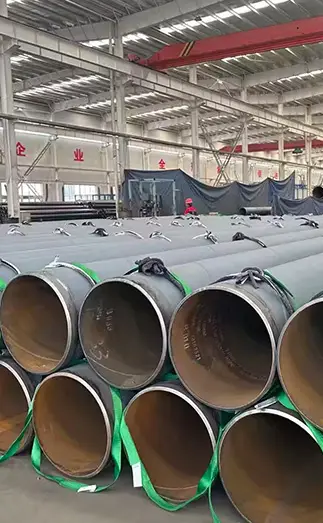
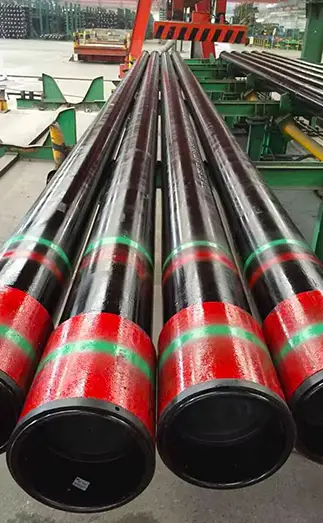
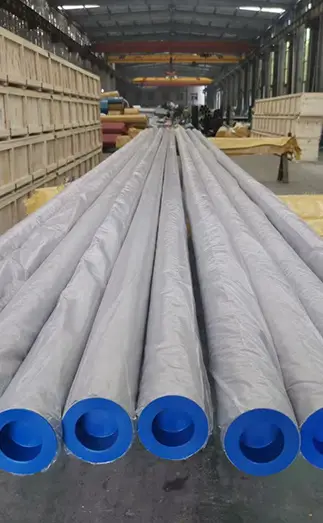
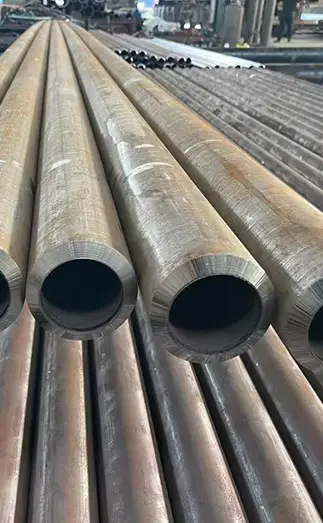
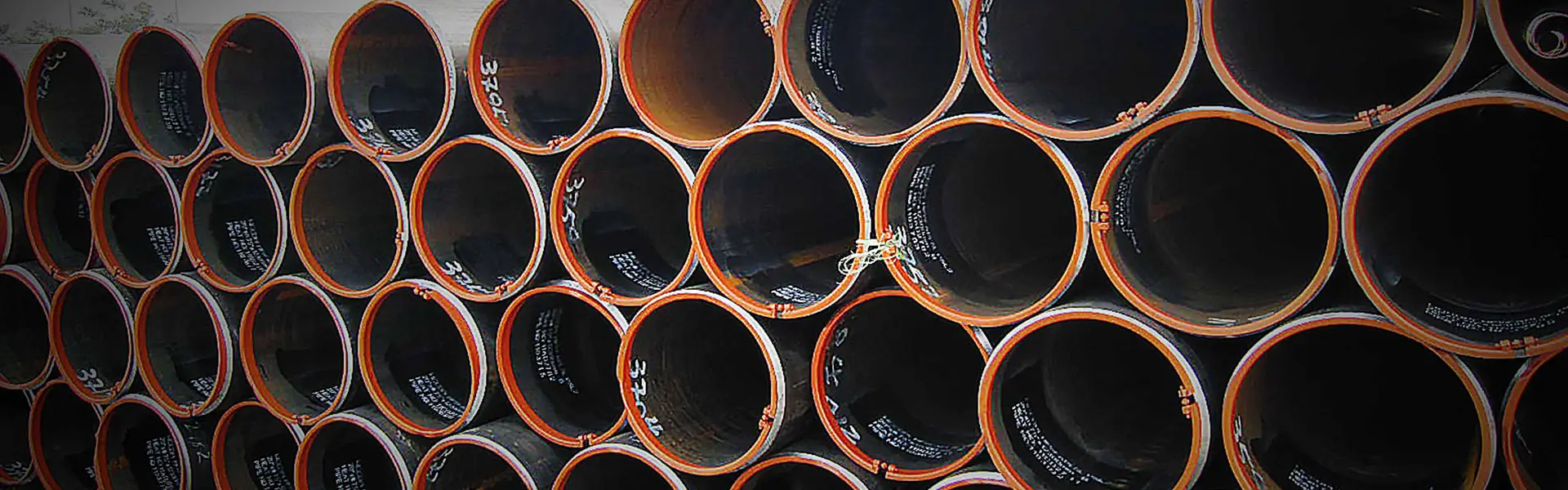
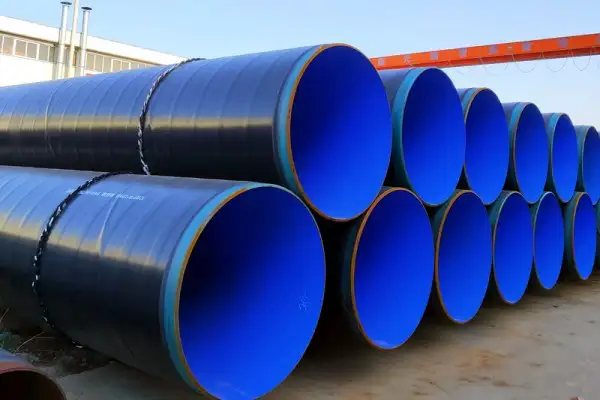
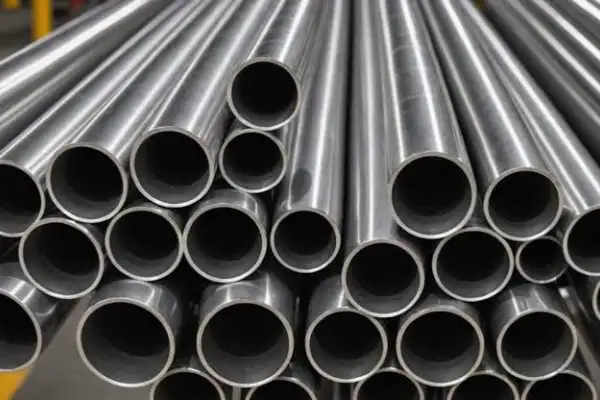
Choosing the correct SSAW steel pipe wall thickness is essential for ensuring pipeline strength, durability, and safe transportation. Two spiral welded steel pipes with the same outside diameter may require different wall thicknesses because their operating pressure, handling conditions, corrosion risks, and transportation limits can vary significantly.
For large-diameter SSAW steel pipes, wall thickness should not be determined by pressure requirements alone. Several practical factors must be evaluated together to ensure the finished pipe meets both engineering and project requirements.
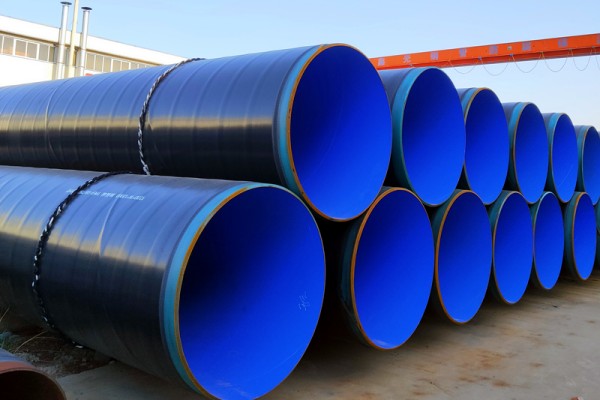
4 Key Factors That Determine SSAW Pipe Wall Thickness
1. Design Pressure
Design pressure is one of the primary factors affecting steel pipe wall thickness. The pipe wall must withstand the internal pressure expected during operation.
Generally, higher design pressure requires a thicker pipe wall. However, the specified steel grade also influences the required thickness. A higher-strength steel grade may allow a thinner wall to achieve the same pressure-related design requirement, subject to the applicable pipeline design code and safety factors.
When selecting SSAW steel pipe, buyers should provide the design pressure, steel grade, and relevant project specifications for proper evaluation.
2. Handling and Structural Stability
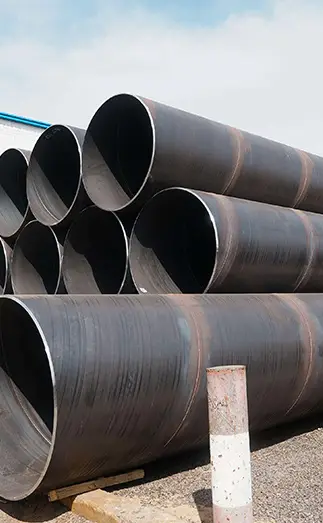
Large-diameter SSAW pipes must maintain their shape during lifting, stacking, transportation, and installation. Pipes with relatively thin walls may be more vulnerable to denting, local deformation, or loss of roundness under handling loads.
For this reason, the required wall thickness may be greater than the pressure calculation alone indicates. This is particularly important for large-diameter steel pipes that need to withstand demanding handling and installation conditions.
The lifting method, support arrangement, stacking conditions, and burial requirements should all be considered during pipe selection.
3. Corrosion Allowance
Corrosion is another important consideration when determining steel pipe wall thickness, particularly for pipelines with long design service lives.
If the internal pipe surface is expected to experience corrosion during operation, an additional corrosion allowance may be required. This provides extra material to account for anticipated wall loss over the specified service period.
External coatings such as FBE and 3LPE help protect the outside pipe surface, but they do not replace the internal corrosion allowance when internal corrosion is expected.
The required allowance depends on the conveyed medium, operating environment, and project design requirements.
4. Transportation and Lifting Capacity
Wall thickness also affects the total weight of SSAW steel pipe. A thicker wall increases the weight of each pipe, which can create additional challenges during lifting, loading, and transportation.
For long-length, large-diameter pipes, the combined weight of pipe diameter, wall thickness, and length must be checked against available crane capacity and transportation limitations.
In some projects, pipe length and wall thickness need to be evaluated together to ensure that the finished products can be safely handled and delivered to the construction site.
How to Select the Appropriate SSAW Steel Pipe Wall Thickness
The final wall thickness should satisfy all applicable engineering and practical requirements, rather than being selected based on a single factor.
|
Selection Factor
|
Main Consideration
|
Impact on Wall Thickness
|
|
Design Pressure
|
Internal operating pressure and steel grade
|
Determines pressure-related wall requirements
|
|
Handling
|
Lifting, stacking, installation, and burial conditions
|
May require additional thickness for structural stability
|
|
Corrosion
|
Internal corrosion risk and service life
|
May require additional corrosion allowance
|
|
Transportation
|
Pipe length, total weight, and lifting capacity
|
May limit practical wall thickness and pipe dimensions
|
After these requirements are evaluated, the selected thickness should be confirmed against the applicable design specifications and available manufacturing dimensions. The final order specification should also account for the permitted dimensional tolerances.
What Information Is Needed for an SSAW Steel Pipe Quotation?
To evaluate the appropriate wall thickness and prepare an accurate quotation, buyers should provide the following information:
Outside diameter
Required design pressure
Steel grade and applicable standard
Conveyed medium and service conditions
Internal corrosion allowance, if required
Pipe length
Handling and transportation limitations
Required coating or lining system
Providing these details helps the supplier evaluate the product requirements more accurately and reduces the risk of selecting a pipe that is unsuitable for the project.
SSAW Steel Pipe Supply from Super Steel
Selecting the correct SSAW steel pipe requires balancing engineering performance with manufacturing and delivery considerations. Wall thickness, outside diameter, steel grade, pipe length, and surface protection should be evaluated together to meet project requirements.
Super Steel supports steel pipe procurement for pipeline and infrastructure applications. Buyers can provide their technical specifications and project conditions for product evaluation, helping ensure that the selected SSAW steel pipe dimensions are aligned with the intended application and delivery requirements.
Conclusion
SSAW steel pipe wall thickness is influenced by more than internal pressure. Handling conditions, corrosion allowance, and transportation capacity can also affect the final selection, especially for large-diameter spiral welded steel pipes.
By evaluating these four factors together and confirming the requirements against the applicable engineering specifications, buyers can select a more suitable wall thickness for their pipeline projects. Providing complete technical information at the quotation stage also helps improve procurement accuracy and project coordination.
FAQ
1. What determines SSAW steel pipe wall thickness?
The main factors include design pressure, steel grade, handling requirements, corrosion allowance, and transportation limitations.
2. Does higher pressure require thicker SSAW steel pipe?
Generally, yes. Higher design pressure usually requires a thicker wall, although the specified steel grade and applicable design code also affect the calculation.
3. Why does large-diameter SSAW pipe need sufficient wall thickness?
Adequate wall thickness helps the pipe resist deformation during lifting, stacking, transportation, and installation.
4. Does external 3LPE coating replace corrosion allowance?
No. External 3LPE coating protects the outside surface but does not replace additional wall thickness required for anticipated internal corrosion.
5. What information should buyers provide when ordering SSAW steel pipe?
Buyers should provide outside diameter, design pressure, steel grade, service conditions, pipe length, corrosion requirements, and transportation limitations.


 English
 Español
 Français
 بالعربية