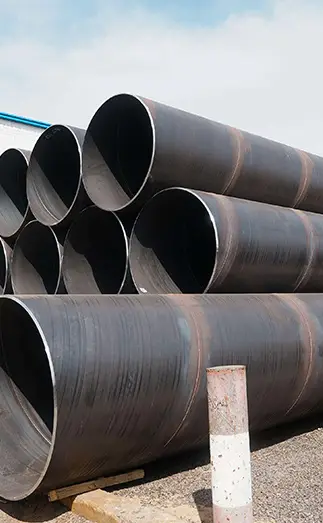
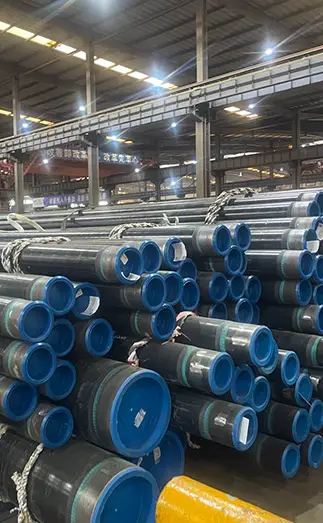
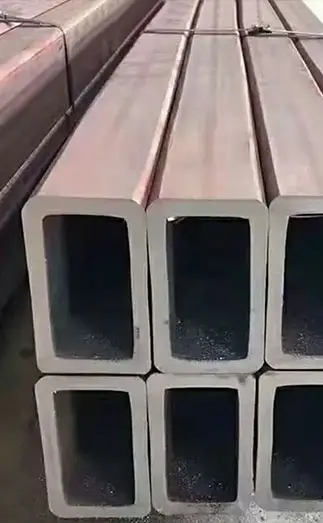
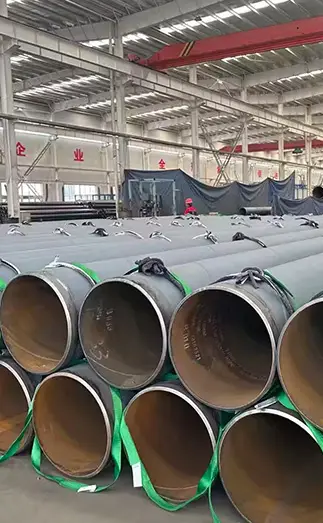
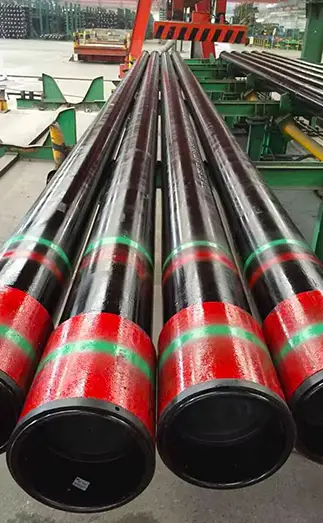
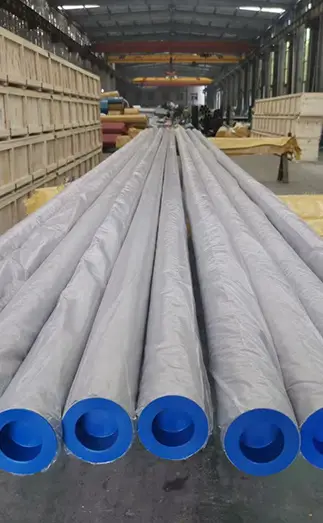
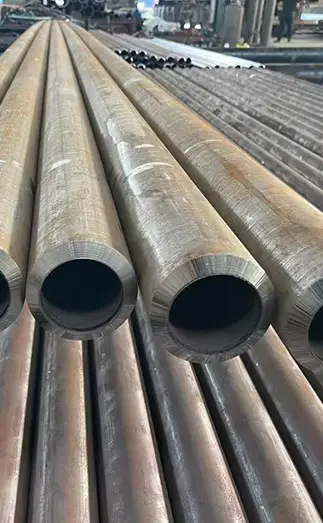
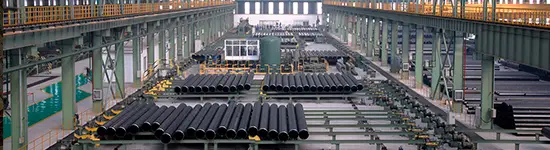
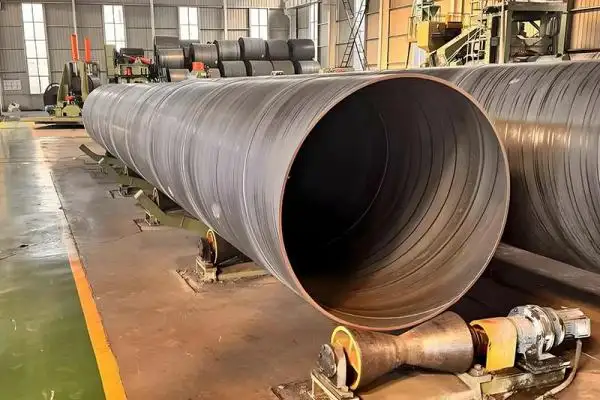
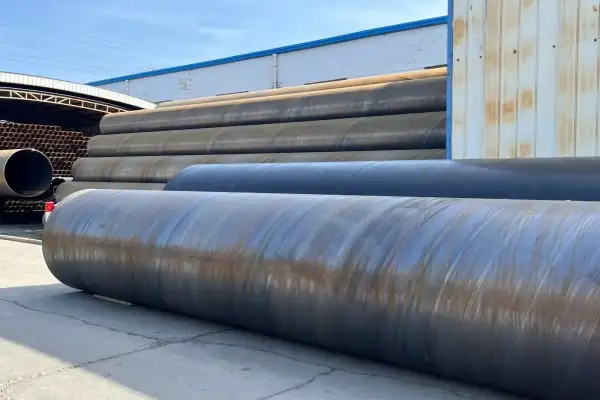
Proper packaging is essential for protecting SSAW (Spiral Submerged Arc Welded) steel pipes during storage, handling, and transportation. Steel straps, end protectors, and suitable anti-corrosion materials help prevent movement, surface damage, and contamination. For international shipments, the packaging and loading method should be selected according to pipe length, diameter, wall thickness, coating type, transportation mode, and destination requirements.
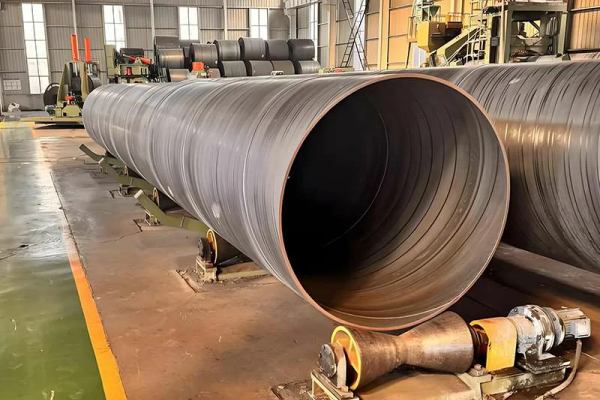
How Are SSAW Steel Pipes Packed Before Transportation?
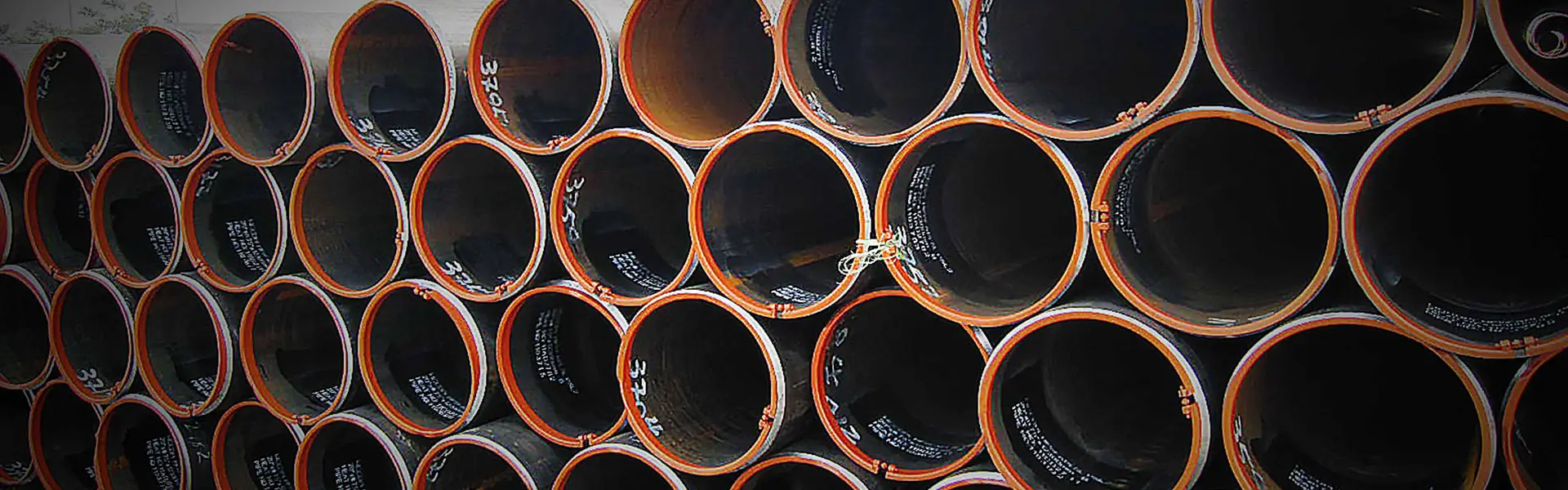
SSAW steel pipes are commonly bundled with steel straps or secured individually, depending on their dimensions and shipping requirements. Plastic or other suitable end protectors can be fitted to protect pipe ends from impact, dirt, and moisture intrusion during handling.
Typical packaging measures include:
Steel strapping: Secures pipes into stable bundles and reduces movement during transportation.
End protection: Protects pipe ends, bevels, and threaded components where applicable.
Anti-corrosion protection: Uses suitable wrapping or protective materials to reduce exposure to moisture and corrosive environments.
Surface protection: Adds separators or cushioning where necessary to minimize scratches and coating damage.
Bundle identification: Applies shipping marks, labels, or bundle tags for product identification and traceability.
Packaging should be suitable for the pipe's weight, dimensions, coating system, and expected handling conditions. Straps and lifting arrangements must also be designed to avoid excessive local pressure or deformation.
What Are the Main Shipping Methods for SSAW Steel Pipes?
The transportation method depends mainly on pipe length, shipment volume, destination, and port or vessel restrictions.
1. Container Shipping
Container shipping may be suitable for shorter SSAW pipes, including pipes around 6 m or less, provided they fit within the container's usable internal dimensions and meet payload and loading restrictions.
Pipes should be securely restrained to prevent rolling or shifting during transit. Dunnage and protective separators can help distribute loads and protect pipe surfaces.
2. Bulk Vessel Shipping
Bulk vessel shipping is often considered for large-volume orders and oversized steel pipes that are unsuitable for standard containers. Pipes are typically arranged in planned layers with suitable timber dunnage or other engineered supports to distribute loads and prevent direct contact damage.
The loading plan should account for pipe weight, stacking stability, lifting points, and vessel requirements. Proper securing is essential to minimize movement during the voyage.
3. Specialized Pipe Carriers
Specialized pipe carriers or other suitable heavy-cargo vessels may be considered for extra-long pipes, including pipes around 18 m or longer, depending on the route and available vessel capacity.
Long pipes require careful support and lifting arrangements to control bending and avoid excessive stress. The final shipping method should be confirmed with the carrier based on actual cargo dimensions, weight, and handling limitations.
What Precautions Should Be Taken When Shipping SSAW Pipes?
Prevent Corrosion and Surface Damage
For sea transportation, suitable protective wrapping or coating protection helps reduce exposure to salt spray, humidity, and moisture. The packaging method should be compatible with the existing coating and avoid trapping moisture against the steel surface.
Align Pipes and Secure the Load
Pipes should be arranged in a stable loading pattern, with appropriate separators and supports to prevent rolling, excessive contact pressure, and movement. Spiral weld orientation can be considered in the loading plan, but load stability and protection against pipe-to-pipe damage are the primary concerns.
Reinforce Pipe-End Protection
Pipe ends, bevels, and other machined areas should be protected against impact and deformation. End caps or protective covers should be selected according to the pipe-end configuration and project requirements.
Inspect Before Dispatch
Before shipment, verify the pipe dimensions, bundle security, protective materials, shipping marks, and loading arrangement. For coated pipes, check that the coating has not been damaged during packing or handling. Photographs and loading records can also support shipment traceability.
How to Choose the Right SSAW Pipe Packaging Method
The most suitable packaging plan depends on several factors:
|
Factor
|
Packaging Consideration
|
|
Pipe length and diameter
|
Determines bundle configuration and transportation options
|
|
Wall thickness and weight
|
Influences lifting equipment, support spacing, and securing requirements
|
|
Coating type
|
Determines suitable wrapping, separators, and contact protection
|
|
Shipment volume
|
Helps determine whether container or bulk shipping is more practical
|
|
Destination and climate
|
Influences moisture protection and corrosion-prevention measures
|
|
Customer requirements
|
Determines marking, end protection, documentation, and inspection needs
|
At Super Steel, packaging and shipping arrangements should be coordinated with the customer's pipe specifications and delivery requirements to help ensure that SSAW steel pipes arrive in suitable condition.
Conclusion
Packing SSAW steel pipes properly before transportation helps protect pipe ends, coatings, and dimensional integrity while reducing the risk of cargo movement and handling damage. Steel strapping, suitable end protection, anti-corrosion measures, and a stable loading arrangement are key elements of effective packaging. Choosing the right transportation method—container, bulk vessel, or specialized cargo transport—requires consideration of pipe dimensions, shipment volume, and carrier restrictions.
FAQ
1. How are SSAW steel pipes usually packed?
They are commonly secured with steel straps and protected with suitable end covers, separators, and anti-corrosion materials as required.
2. Can SSAW pipes be shipped in containers?
Yes, if their dimensions, weight, loading arrangement, and securing method meet the container's limits.
3. How are long SSAW pipes shipped by sea?
Long pipes may require bulk vessels or specialized cargo transport, depending on their dimensions, route, and carrier capacity.
4. How can SSAW pipes be protected from corrosion during shipping?
Suitable coatings, protective wrapping, and moisture-control measures help reduce corrosion risk during transit.
5. What should be checked before SSAW pipes are shipped?
Check bundle security, pipe-end protection, coating condition, shipping marks, and the loading and securing arrangement.


 English
 Español
 Français
 بالعربية