Quick Answer
Galvanizing is not a mandatory requirement for carbon steel seamless pipes. Whether it is needed depends on the specific working conditions, including the operating environment, the corrosiveness of the transported medium, the required service life, and project specifications such as fire protection or water supply standards. In practice, galvanizing is typically selected as an anti-corrosion solution for humid, outdoor, or mildly corrosive environments, while it can be omitted in dry indoor conditions or when alternative protective coatings are already applied.
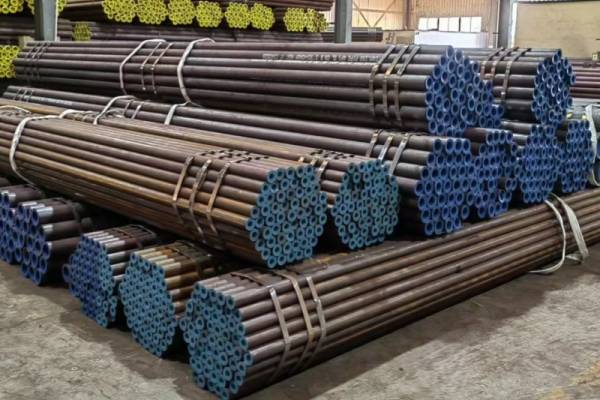
What Does Galvanizing Do?
Galvanizing is a surface protection process that applies a zinc coating to steel pipes, providing:
Corrosion resistance (barrier + sacrificial protection)
Extended service life
Reduced maintenance frequency
It acts as a protective layer that isolates the steel substrate from moisture, oxygen, and corrosive substances.
When Is Galvanizing Required or Recommended?
1. Outdoor or Humid Environments
Municipal water supply and drainage systems
Gas pipelines and street infrastructure
Structural applications (scaffolding, railings, supports)
Agricultural systems (irrigation, greenhouses)
2. Mildly Corrosive Industrial Conditions
Chemical or mining environments with moisture and gases
Industrial water and gas pipelines (non-strong corrosive media)
3. Fire Protection Systems
Fire pipelines often require internal and external galvanizing for long-term reliability
4. Plumbing and Low-Pressure Gas Systems
Domestic water pipelines (meeting potable water standards)
Heating and low-pressure gas transport
5. Projects Requiring Long Service Life
Hot-dip galvanized pipes can last 3–5 times longer than uncoated pipes
Zinc layer provides sacrificial corrosion protection
When Can Galvanizing Be Omitted?
Galvanizing may not be necessary in the following scenarios:
Dry indoor environments (supports, brackets, non-fluid systems)
Non-corrosive media transport (oil, lubricants, inert gases)
Pipes already protected by coatings (epoxy, PE, plastic lining)
High-temperature or high-pressure conditions (zinc layer degradation risk)
Strong acid or alkali environments (zinc not suitable)
Temporary or short-term projects
Do Seamless Pipes Have Natural Corrosion Resistance?
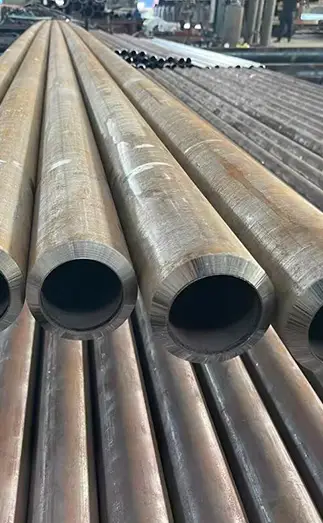
Carbon steel has limited inherent corrosion resistance.
While alloy design can improve performance, environmental factors such as:
Humidity
pH level
Temperature
can significantly affect durability.
Therefore, relying solely on base material is not sufficient in most outdoor or industrial conditions.
Galvanizing Methods: Which One to Choose?
Hot-Dip Galvanizing (Recommended)
Thick coating
Strong adhesion
Long service life
Suitable for outdoor and industrial use
Electro-Galvanizing (Cold Galvanizing)
Thinner coating
Lower cost
Suitable for indoor and decorative applications
Key Precautions for Galvanized Pipes
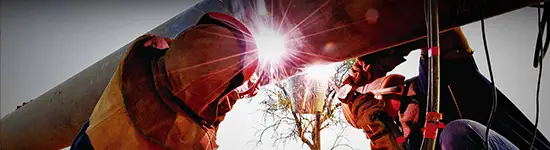
Welding safety: Zinc fumes require ventilation and protection
Coating repair: Damaged areas must be re-coated or painted
Material limitation: Not suitable for very high-strength steels (risk of hydrogen embrittlement)
Inspection: Coating must be uniform, without bare spots or bubbles
Alternatives to Galvanizing
When galvanizing is not suitable, alternative protection methods include:
Epoxy coatings (ideal for water systems)
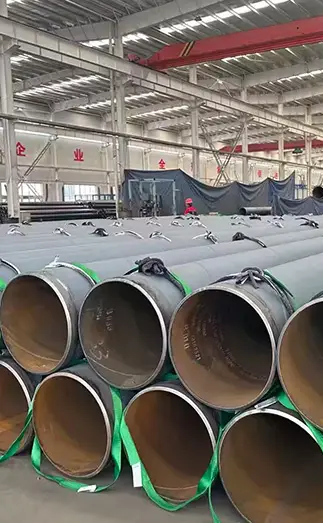
3PE coating (excellent for buried pipelines)
Plastic lining (internal corrosion resistance)
Cathodic protection (electrochemical corrosion control)
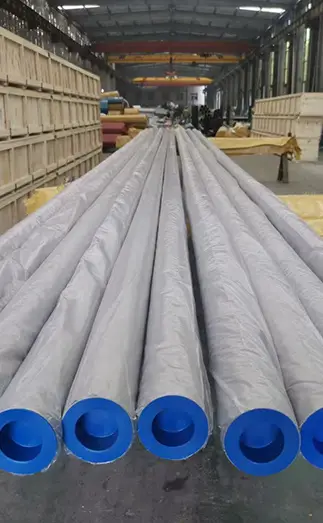
Corrosion-resistant materials (stainless steel, weathering steel)
Engineering Selection Strategy
Buried long-distance pipelines: 3PE + cathodic protection
Drinking water systems: epoxy coating
Highly corrosive environments: stainless steel or alloy materials
Cost-sensitive projects: galvanizing as an economical solution
Conclusion
Galvanizing is a condition-based decision, not a default requirement.
Proper selection depends on balancing:
Environment
Cost
Service life
Maintenance strategy
A well-matched anti-corrosion solution ensures pipeline safety, durability, and lifecycle efficiency.
FAQ
Q1: Is galvanizing always required for seamless pipes?
No, it depends on the environment and application.
Q2: What is the main benefit of galvanizing?
Corrosion protection and longer service life.
Q3: Which is better, hot-dip or electro-galvanizing?
Hot-dip galvanizing provides stronger and longer-lasting protection.
Q4: What is the best alternative to galvanizing?
3PE coating or epoxy coating, depending on the application.


 English
 Español
 Français
 بالعربية