Quick Answer
Choosing the right boiler tubes depends on several key factors, including the type of boiler system (fire tube or water tube), the operating pressure and temperature, and the material performance under specific working conditions. A well-matched selection ensures safe operation, improves thermal efficiency, and extends the service life of the entire system.
What Are Boiler Tubes?
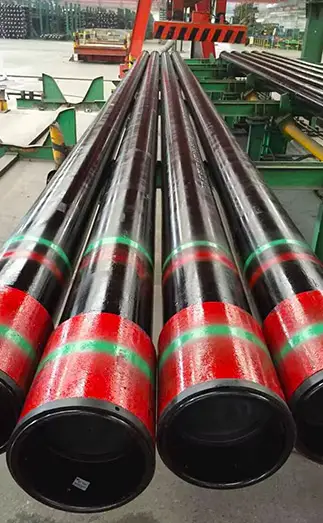
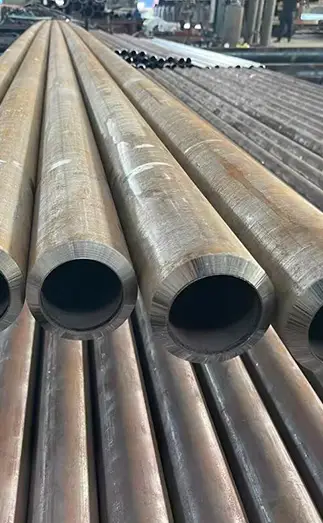
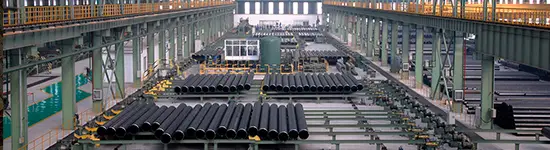
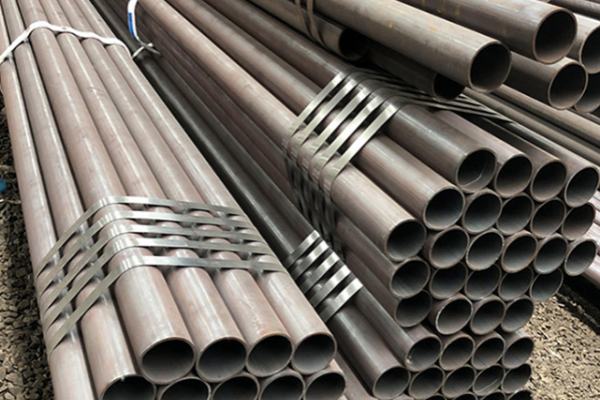
Boiler tubes are essential components used to transfer heat and generate steam in industrial systems. They are typically manufactured as seamless or welded steel pipes designed to operate under high temperature and pressure conditions. These tubes are widely used in power plants, chemical processing facilities, and industrial heating systems, where reliability and durability are critical for continuous operation.
Fire Tube vs Water Tube Boilers: Key Differences
Understanding the working principle of boiler systems is essential before selecting tubes.
The main difference lies in how heat and water interact:
Fire Tube Boilers: hot gases flow inside the tubes, while water surrounds them
Water Tube Boilers: water flows inside the tubes, and hot gases surround them
Performance Comparison
|
Feature
|
Fire Tube Boiler
|
Water Tube Boiler
|
|
Water Location
|
Outside tubes
|
Inside tubes
|
|
Heat Source
|
Inside tubes
|
Outside tubes
|
|
Pressure Range
|
Low to medium (≤350 PSI)
|
High (up to 3000+ PSI)
|
|
Efficiency
|
Moderate
|
High
|
|
Application
|
Small systems, heating
|
Power plants, heavy industry
|
Key insight:
Fire tube systems are simpler and cost-effective, while water tube systems are better suited for high-pressure, high-capacity operations.
How to Choose Boiler Tube Materials
Material selection is critical to prevent:
Tube failure
Leakage
Safety risks
1. Carbon Steel Boiler Tubes
Search intent keywords: carbon steel boiler tubes ASTM
Common standards:
ASTM A179
ASTM A192
ASTM A210
Advantages:
Cost-effective
Good mechanical strength
Easy fabrication
Best for:
Low to medium pressure systems
Clean, non-corrosive environments
2. Alloy Steel Boiler Tubes
Search intent keywords: alloy steel boiler tubes high temperature
Common grades:
ASTM A213 T11, T22, T91
Advantages:
Excellent high-temperature resistance
Strong creep resistance
Suitable for thermal stress conditions
Applications:
Superheaters
Heat exchangers
High-temperature zones
3. Stainless Steel Boiler Tubes
Search intent keywords: stainless steel boiler pipe
Common grades:
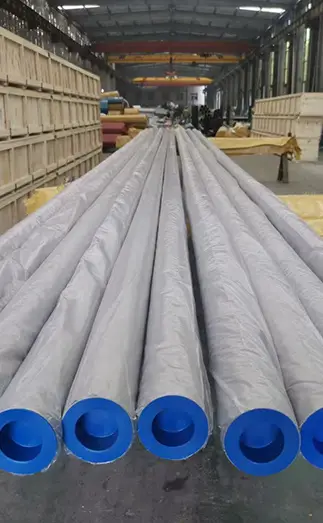
ASTM A213 TP304, TP316
Advantages:
Superior corrosion resistance
Long service life
Suitable for aggressive environments
Best for:
Chemical plants
Coastal or humid environments
Boiler Tube Material Comparison
|
Material
|
Key Advantage
|
Limitation
|
Typical Application
|
|
Carbon Steel
|
Low cost
|
Limited corrosion resistance
|
Standard boilers
|
|
Alloy Steel
|
High temperature strength
|
Higher cost
|
Power plants
|
|
Stainless Steel
|
Corrosion resistance
|
Expensive
|
Chemical systems
|
How to Choose a Reliable Boiler Tube Supplier
Selecting the right supplier is as important as selecting the material.
Key Evaluation Criteria
Quality certification: ISO 9001 or equivalent
Testing capability:
Eddy current testing
Hydrostatic testing
Product range: pipes, fittings, coatings
Logistics capability: global delivery experience
Project experience: industrial or EPC projects
Key insight:
A reliable supplier should provide integrated services from production to delivery, reducing project risk and delays.
Conclusion
Selecting the appropriate boiler tubes requires a comprehensive evaluation of the boiler type, material properties, and supplier reliability. By choosing the right combination, operators can achieve higher efficiency, enhanced safety, and longer service life, while also reducing maintenance costs and operational risks over time.
FAQ
1. What is the best boiler tube type?
It depends on pressure and application—water tube for high pressure, fire tube for simpler systems.
2. Which material is best for high-temperature boilers?
Alloy steel or stainless steel.
3. Are seamless boiler tubes better?
Yes, they offer higher strength and reliability under pressure.
4. How do I reduce boiler tube failure risk?
Choose correct material, ensure quality testing, and follow standards.
5. What standards are commonly used?
ASTM A179, A192, A213, and A106.


 English
 Español
 Français
 بالعربية