Quick Answer
Galvanized pipes are generally not suitable for steam piping, especially in high-temperature or high-pressure systems. While they may be used in limited low-pressure applications below 200°C, their performance rapidly declines as temperature increases. For most industrial steam systems, seamless carbon steel or alloy steel pipes are a safer and more reliable choice due to their superior resistance to heat and pressure.
What Is Galvanized Pipe?
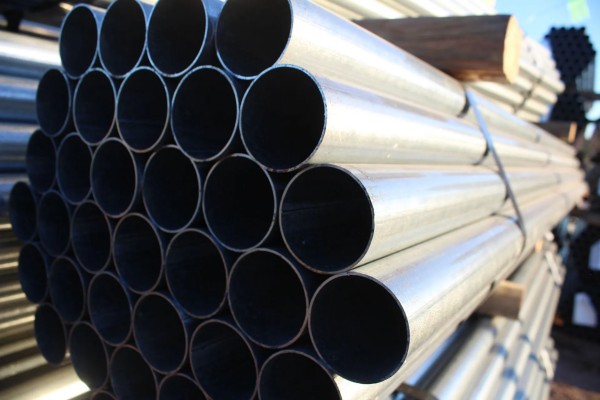
Galvanized pipe is a type of steel pipe coated with a protective layer of zinc to enhance corrosion resistance and durability. This coating helps prevent rust in normal atmospheric conditions, making galvanized pipes widely used in construction, water supply, and mechanical applications. However, the effectiveness of the zinc layer is highly dependent on temperature, which limits its suitability in high-temperature environments such as steam piping systems.
Requirements for Steam Piping Systems
Steam pipelines operate under:
High temperature
High pressure
Continuous thermal stress
Therefore, materials must provide:
Heat resistance
Pressure strength
Long-term stability
Corrosion resistance under steam conditions
Why Galvanized Pipe Is Not Ideal for Steam
1. Zinc Coating Failure at High Temperature
Zinc begins to degrade above ~200°C
Melting point ≈ 419°C
At higher temperatures, zinc reacts with steel
Result:
Loss of protective layer and reduced pipe strength
2. Risk of Zinc Vapor Contamination
At elevated temperatures:
Zinc may volatilize
Vapor can enter the steam system
Impact:
Contamination of downstream equipment
Damage to valves and heat exchangers
3. Coating Peeling and System Blockage
Under thermal cycling:
Zinc coating may peel off
Risks:
Blocked steam traps
Valve sealing damage
Reduced system reliability
4. Limited High-Temperature Corrosion Resistance
Compared with:
Stainless steel
Alloy steel
Galvanized pipes show weaker performance in high-temperature steam environments.
When Can Galvanized Pipe Be Used?
In limited cases, galvanized pipe may be used for:
Low-pressure steam
Low-temperature systems (≤200°C)
Non-critical applications (e.g., small heating systems)
Important:
Strict inspection and maintenance are required.
Recommended Materials for Steam Pipelines
Low Temperature Steam (≤200°C)
ASTM A53 Grade B (limited use)
Medium to High Temperature Steam
ASTM A106 Grade B seamless carbon steel
High Temperature / High Pressure (>400°C)
ASTM A335 alloy steel (P11, P22, P91)
Key principle:
Steam piping selection should prioritize temperature and pressure resistance, not just corrosion protection.
Installation and Maintenance Notes
If galvanized pipes are used:
Ensure proper wall thickness and pressure rating
Use reliable sealing (threaded connections preferred)
Keep internal surfaces clean
Inspect regularly for:
Coating damage
Corrosion
Cracking
Warning:
If peeling, discoloration, or defects appear → replace immediately.
Common Misconception
Myth: Galvanized pipes are suitable for steam due to smooth surface and corrosion resistance
Reality:
Their advantage is ambient corrosion resistance, not high-temperature performance.
Conclusion
Galvanized pipes are not recommended for most steam piping applications, especially in industrial systems.
For safe and reliable operation:
Use materials designed for high temperature and pressure
Follow proper engineering standards
Avoid short-term cost decisions that increase long-term risk
FAQ
1. Can galvanized pipe be used for steam?
Only for low-temperature, low-pressure systems.
2. Why is galvanized pipe not suitable for high-temperature steam?
The zinc coating fails and may contaminate the system.
3. What is the best pipe for steam systems?
Seamless carbon steel or alloy steel pipes.
4. At what temperature does galvanized pipe fail?
Performance degrades significantly above 200°C.
5. What is a safer alternative?
ASTM A106 or ASTM A335 pipes.


 English
 Español
 Français
 بالعربية