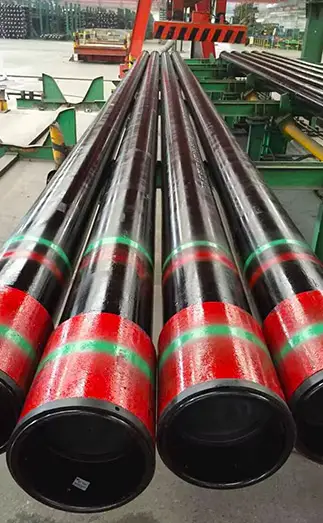
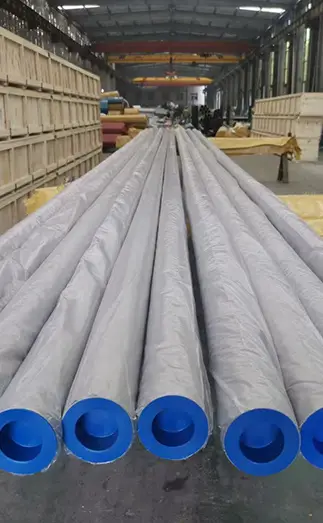
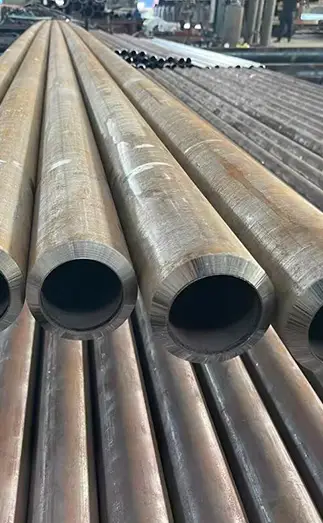
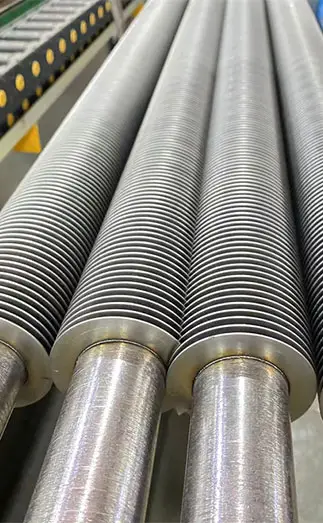
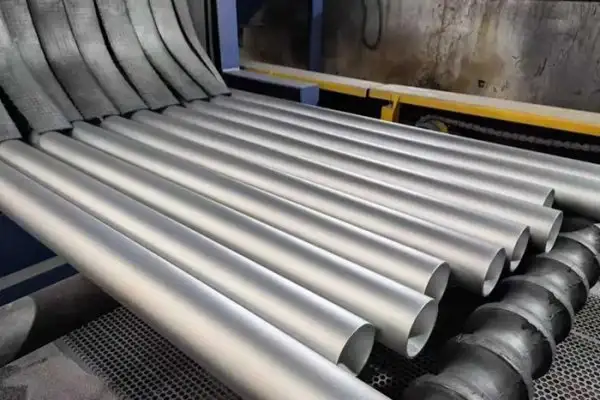
Selecting the right boiler tube material is essential for ensuring system safety, heat transfer efficiency, and long-term reliability. Among the most commonly specified carbon steel boiler tubes, ASTM A178 and ASTM A179 are frequently used in boilers, heat exchangers, condensers, and power generation equipment.
Although both standards are designed for heat transfer applications, they differ significantly in manufacturing method, pressure capability, surface quality, and typical service conditions.
This guide compares ASTM A178 and ASTM A179 boiler tubes to help engineers, contractors, and procurement teams make the right choice.
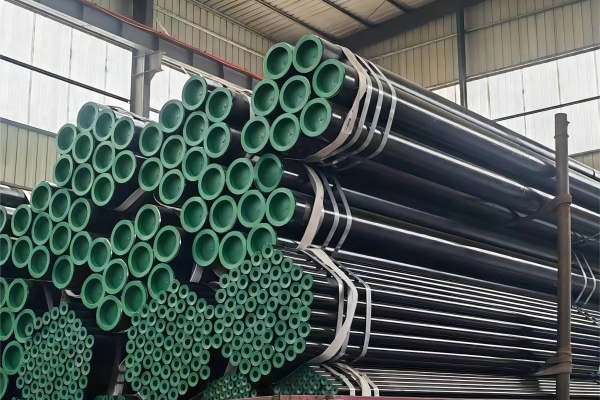
What Is ASTM A178?
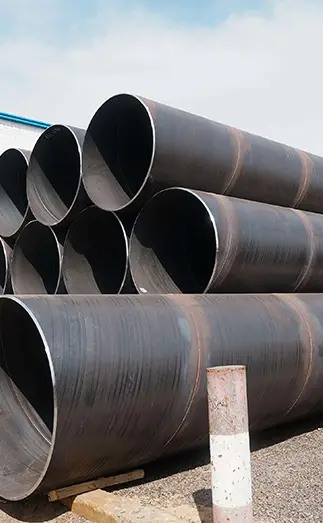
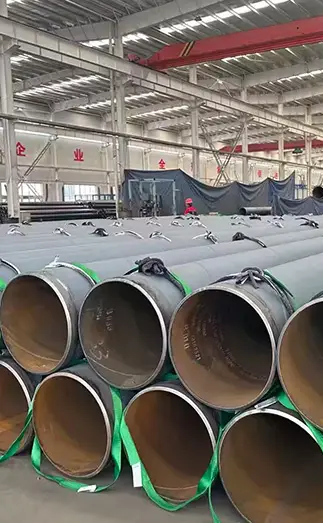
ASTM A178 (ASME SA178) covers electric-resistance-welded (ERW) carbon steel and carbon-manganese steel tubes intended for boiler, superheater, and heat transfer service.
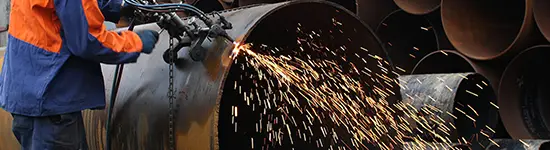
These tubes are manufactured from steel strip that is formed and welded using electric resistance welding technology.
Typical Applications
Boiler tubes
Boiler flues
Superheater tubes
Safe-end connections
Industrial steam systems
Key Advantages
Economical production cost
Good mechanical strength
Consistent dimensional accuracy
Suitable for medium and high-pressure boiler service
What Is ASTM A179?
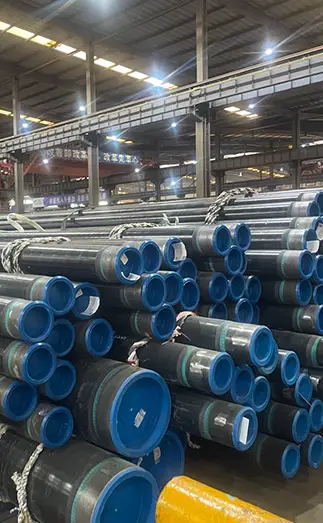
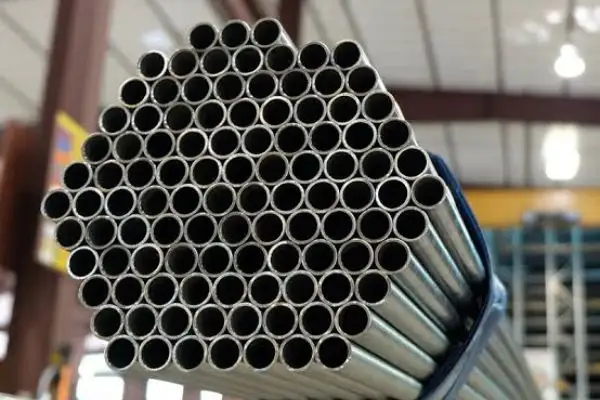
ASTM A179 (ASME SA179) covers seamless cold-drawn low-carbon steel tubes designed primarily for heat exchangers and condensers.
Unlike ASTM A178, ASTM A179 tubes contain no welded seam, resulting in improved pressure performance and heat transfer efficiency.
Typical Applications
Shell and tube heat exchangers
Surface condensers
Feedwater heaters
Boiler heat transfer systems
Industrial cooling equipment
Key Advantages
Seamless construction
Excellent surface finish
Superior heat transfer capability
Enhanced pressure resistance
ASTM A178 vs ASTM A179 Comparison
|
Property
|
ASTM A178
|
ASTM A179
|
|
Manufacturing Process
|
ERW Welded
|
Seamless Cold Drawn
|
|
Tube Type
|
Welded Boiler Tube
|
Seamless Boiler Tube
|
|
Material
|
Carbon Steel / Carbon-Manganese Steel
|
Low Carbon Steel
|
|
Standard
|
ASTM A178 / ASME SA178
|
ASTM A179 / ASME SA179
|
|
Primary Application
|
Boilers & Superheaters
|
Heat Exchangers & Condensers
|
|
Heat Transfer Efficiency
|
Good
|
Excellent
|
|
Pressure Performance
|
High
|
Higher
|
|
Surface Finish
|
Welded Surface
|
Smooth Seamless Surface
|
|
Dimensional Accuracy
|
Good
|
Excellent
|
|
Cost
|
Lower
|
Higher
|
Manufacturing Process Comparison
ASTM A178 ERW Boiler Tubes
ASTM A178 tubes are produced by forming steel strip into a tubular shape and joining the edges through electric resistance welding.
Benefits
Lower manufacturing costs
Faster production cycles
Stable dimensions
Suitable for large-volume projects
Consideration
The welded seam remains a structural feature, which may be a limiting factor in certain critical applications.
ASTM A179 Seamless Boiler Tubes
ASTM A179 tubes are manufactured through piercing, cold drawing, and finishing operations without any weld seam.
Benefits
Uniform wall structure
Improved pressure resistance
Better thermal conductivity
Higher surface quality
For demanding heat transfer systems, seamless tubes are often preferred.
Mechanical Properties Comparison
ASTM A178 Boiler Tubes
|
Grade
|
Tensile Strength (MPa)
|
Yield Strength (MPa)
|
|
Grade A
|
≥325
|
≥180
|
|
Grade C
|
≥415
|
≥255
|
|
Grade D
|
≥485
|
≥275
|
ASTM A179 Boiler Tubes
|
Grade
|
Tensile Strength (MPa)
|
Yield Strength (MPa)
|
|
ASTM A179
|
≥325
|
≥180
|
While ASTM A179 has mechanical properties similar to ASTM A178 Grade A, its seamless structure generally provides better performance in pressure-containing applications.
How to Choose Between ASTM A178 and ASTM A179
Choose ASTM A178 When:
Boiler service is the primary application
Cost efficiency is a priority
Welded tubes are acceptable
Large project quantities are required
Choose ASTM A179 When:
Heat transfer efficiency is critical
Seamless construction is preferred
Higher pressure resistance is required
Heat exchangers or condensers are involved
Quick Selection Guide
|
Application
|
Recommended Standard
|
|
Industrial Boilers
|
ASTM A178
|
|
Boiler Flues
|
ASTM A178
|
|
Superheaters
|
ASTM A178 Grade C/D
|
|
Heat Exchangers
|
ASTM A179
|
|
Surface Condensers
|
ASTM A179
|
|
Feedwater Heaters
|
ASTM A179
|
FAQ
1. Which is better, ASTM A178 or ASTM A179?
Neither is universally better. ASTM A178 is more economical for boiler applications, while ASTM A179 offers better heat transfer and seamless reliability.
2. Is ASTM A179 seamless?
Yes. ASTM A179 tubes are seamless cold-drawn low-carbon steel tubes.
3. Is ASTM A178 welded or seamless?
ASTM A178 is an electric-resistance-welded (ERW) tube specification.
4. Which tube is better for heat exchangers?
ASTM A179 is typically preferred because of its seamless construction and excellent heat transfer performance.
5. Which standard is more cost-effective?
ASTM A178 generally has a lower manufacturing cost than ASTM A179.


 English
 Español
 Français
 بالعربية