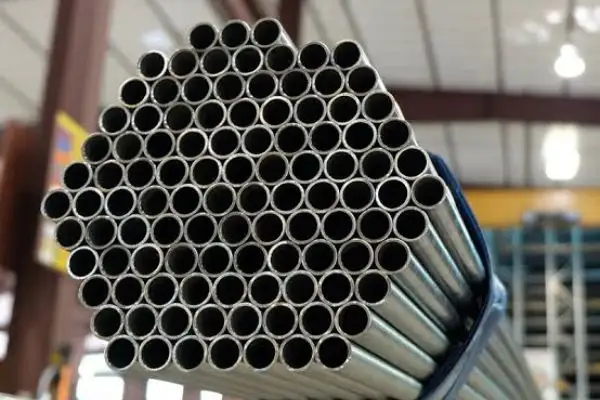
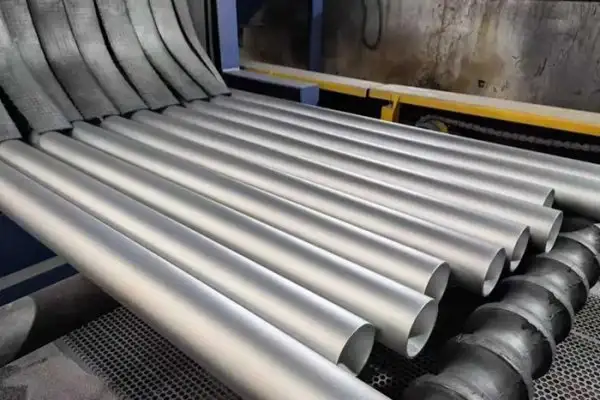
White rust, also known as wet storage stain, is one of the most common surface issues affecting hot-dip galvanized steel pipes during storage and transportation. It appears as a white, gray, or chalk-like corrosion layer on the zinc coating and is primarily caused by trapped moisture and inadequate ventilation.
Although white rust usually affects the zinc layer rather than the base steel, severe cases can reduce coating thickness and shorten the service life of galvanized pipes. Understanding its causes and prevention methods is essential for maintaining coating performance and product quality.
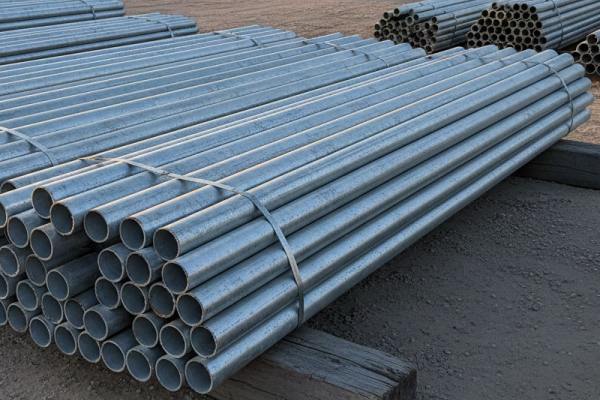
What Is White Rust on Galvanized Pipes?
White rust is a corrosion product that forms when the zinc coating on galvanized steel reacts with moisture in a poorly ventilated environment.
It mainly consists of:
Zinc hydroxide (Zn(OH)₂)
Zinc oxide (ZnO)
Basic zinc carbonate
Unlike red rust, which attacks the steel substrate, white rust initially affects the protective zinc layer.
White Rust vs Red Rust
|
Feature
|
White Rust
|
Red Rust
|
|
Affected Layer
|
Zinc coating
|
Base steel
|
|
Color
|
White or gray
|
Red-brown
|
|
Corrosion Stage
|
Early-stage corrosion
|
Advanced corrosion
|
|
Main Cause
|
Moisture trapped on zinc surface
|
Oxidation of exposed steel
|
|
Repair Difficulty
|
Relatively easy
|
More difficult
|
What Causes White Rust on Galvanized Pipes?
White rust develops when three conditions occur simultaneously:
1. Excess Moisture
Rainwater, condensation, fog, snow, or trapped humidity can remain on galvanized surfaces for extended periods.
2. Poor Ventilation
Lack of airflow prevents moisture from evaporating naturally.
3. Tight Storage Conditions
Closely stacked pipes, sealed plastic wrapping, or damp storage floors create ideal conditions for white rust formation.
Common Causes of White Rust
|
Cause
|
Effect on Galvanized Pipe
|
|
Rain exposure
|
Accelerates zinc oxidation
|
|
High humidity
|
Promotes condensation
|
|
Poor ventilation
|
Prevents drying
|
|
Tight packaging
|
Traps moisture
|
|
Wet storage surfaces
|
Increases corrosion risk
|
How to Prevent White Rust on Galvanized Pipes
The most effective prevention strategy is eliminating the combination of moisture and poor ventilation.
Apply Passivation Treatment
Passivation creates a temporary protective film on the galvanized surface, reducing the risk of moisture-related corrosion during storage and transportation.
Ensure Pipes Are Completely Dry
Before packaging or stacking:
Remove surface moisture
Allow newly galvanized pipes to cool naturally
Avoid bundling wet products
Maintain Proper Storage Conditions
Recommended storage practices include:
Store pipes in dry, ventilated warehouses
Elevate pipes using wooden supports
Prevent direct ground contact
Maintain drainage around storage areas
Use Proper Outdoor Protection
For outdoor storage:
Use breathable waterproof covers
Allow air circulation
Avoid fully sealed plastic film
Fully enclosed packaging often creates condensation and accelerates white rust formation.
White Rust Prevention During Transportation
Transportation, especially ocean shipping, is a major source of white rust problems.
Recommended Measures
Use moisture-resistant packaging
Add desiccants inside bundles or containers
Use VCI (Vapor Corrosion Inhibitor) materials when possible
Ventilate containers after arrival
Inspect pipes immediately after unloading
Long-Distance Ocean Transport
For export shipments:
Container shipping is preferred
Avoid seawater exposure
Use sufficient container desiccants
Monitor humidity levels during transit
Proper VCI packaging can reduce white rust occurrence by up to 90%.
How to Treat White Rust on Galvanized Pipes
If white rust has already appeared, treatment should be based on severity.
Light White Rust
Characteristics:
Thin white powder
Zinc coating remains intact
Treatment:
Clean with a nylon or stiff brush
Improve ventilation
Keep surface dry
Moderate White Rust
Characteristics:
Visible white patches
Partial coating deterioration
Treatment:
Remove corrosion products
Measure zinc coating thickness
Apply zinc-compatible protective sealant if necessary
Heavy White Rust
Characteristics:
Thick corrosion deposits
Surface pitting
Dark gray or black corrosion spots
Treatment:
Remove loose corrosion mechanically
Inspect remaining zinc coating
Repair damaged areas using zinc-rich paint or cold galvanizing compounds according to ASTM A780
Best Practices for Long-Term White Rust Prevention
To minimize white rust risks, manufacturers, distributors, and project owners should:
Apply passivation after galvanizing
Keep pipes dry before packaging
Avoid moisture-trapping packaging methods
Use breathable storage systems
Install desiccants during transportation
Inspect products immediately upon delivery
Separate and dry wet bundles immediately
FAQ
1. What is white rust on galvanized pipe?
White rust is a white or gray corrosion product that forms on the zinc coating due to trapped moisture and poor ventilation.
2. Does white rust damage galvanized steel?
Light white rust usually affects only the zinc coating, while severe white rust can reduce coating thickness and corrosion resistance.
3. Can white rust be removed?
Yes. Light white rust can typically be removed using a stiff brush or nylon brush.
4. How can white rust be prevented?
Keep galvanized pipes dry, well-ventilated, elevated from the ground, and protected from trapped moisture.
5. Is white rust worse than red rust?
No. White rust affects the zinc coating, while red rust indicates corrosion of the underlying steel and is generally more serious.


 English
 Español
 Français
 بالعربية