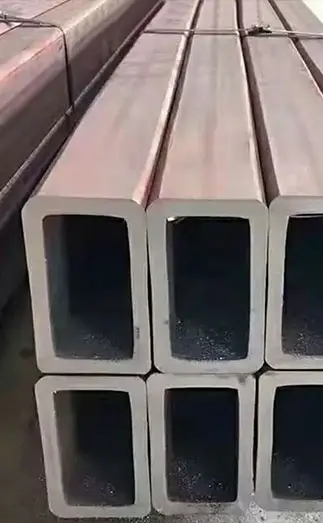
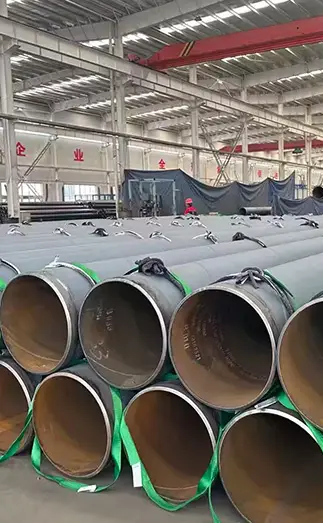
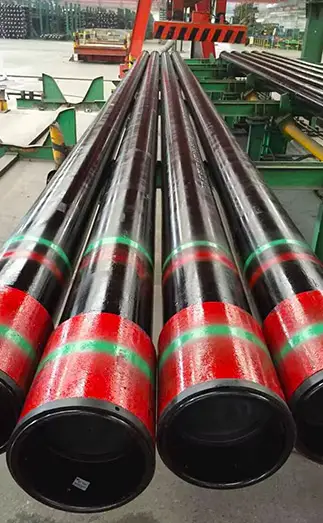
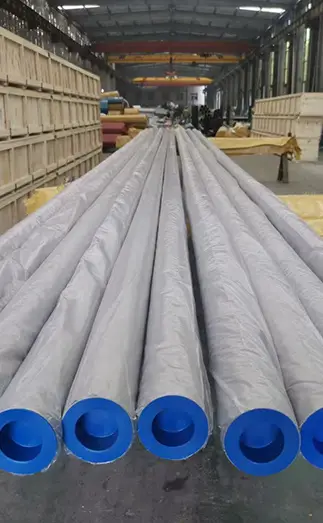
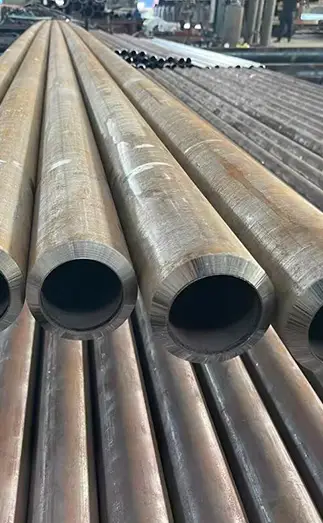
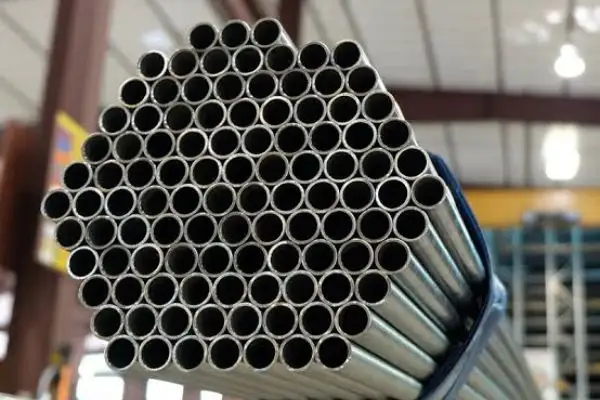
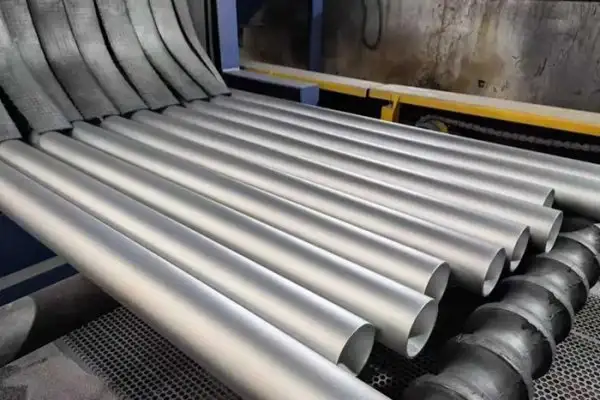
Schedule 40 galvanized square tubing is one of the most commonly used steel tubing products in construction, infrastructure, machinery manufacturing, fencing systems, agricultural engineering, and outdoor structural applications. Here's an overview of schedule 40 galvanized square tubing.
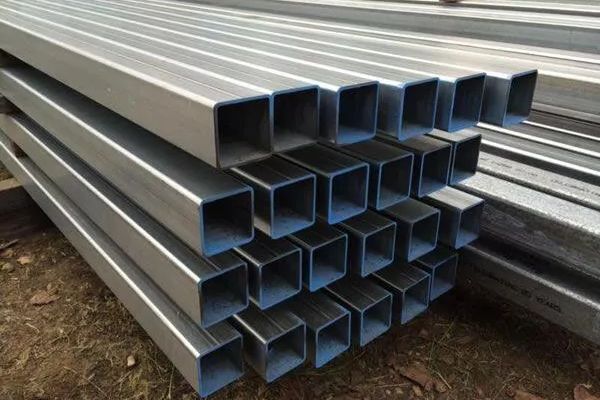
What Is Schedule 40 Galvanized Square Tubing?
Schedule 40 galvanized square tubing is square-shaped carbon steel tubing manufactured with Schedule 40 wall thickness and protected by a galvanized zinc coating.
The term “Schedule 40” mainly refers to the wall thickness standard. Compared with thinner tubing, Schedule 40 steel tube provides:
Higher load-bearing capacity
Better impact resistance
Improved structural stability
Greater durability
The galvanized coating protects the steel surface from:
Rust
Moisture
Atmospheric corrosion
Outdoor weather exposure
Common Materials Used for Schedule 40 Galvanized Square Tube
|
Material Standard
|
Characteristics
|
|
ASTM A500 Grade B
|
High structural strength
|
|
ASTM A53 Carbon Steel
|
Good pressure and fabrication performance
|
|
Mild Steel
|
Cost-effective and versatile
|
|
Low-Carbon Structural Steel
|
Easy welding and forming
|
Advantages of Schedule 40 Galvanized Square Tube
Structural Advantages
Strong load-bearing capacity
Good impact resistance
Stable wall thickness
Long service life
Corrosion Resistance Advantages
Excellent outdoor durability
Resistance to humid environments
Better weather resistance
Lower maintenance requirements
Fabrication Advantages
Easy welding
Easy cutting
Good forming performance
Convenient installation
Common Applications of Schedule 40 Galvanized Square Tubing
Construction and Infrastructure
Typical applications include:
Steel structure buildings
Construction supports
Warehouse frames
Bridges
Guardrails
Fencing systems
Agricultural Applications
Widely used for:
Greenhouse structures
Livestock fencing
Irrigation systems
Agricultural equipment frames
Industrial and Mechanical Applications
Common industrial uses include:
Machinery frames
Equipment supports
Conveyor systems
Industrial platforms
Transportation and Public Facilities
Galvanized square tubing is also used in:
Airport structures
Traffic barriers
Public infrastructure
Outdoor utility systems
Types of Galvanized Square Tubing
1. Hot-Dip Galvanized Square Tubing
Hot-dip galvanized square tube is produced by immersing steel tubing into molten zinc after forming and welding.
Main Advantages
Thick zinc coating
Strong coating adhesion
Excellent corrosion resistance
Long outdoor service life
Production Characteristics
Advantages include:
Relatively simple production process
High manufacturing efficiency
Wide specification range
Lower maintenance cost
Hot-dip galvanized tubing is commonly used for outdoor structures and long-term corrosion protection applications.
2. Cold Galvanized Square Tubing
Cold galvanizing mainly relies on electrochemical coating methods.
Compared with hot-dip galvanizing:
Zinc coating is thinner
Corrosion resistance is lower
Outdoor durability is more limited
Surface preparation quality is especially important for cold galvanized products.
Hot-Dip vs Cold Galvanized Square Tube
|
Feature
|
Hot-Dip Galvanized
|
Cold Galvanized
|
|
Zinc Coating Thickness
|
Thick
|
Thin
|
|
Corrosion Resistance
|
Excellent
|
Moderate
|
|
Outdoor Durability
|
Long-term
|
Shorter
|
|
Production Cost
|
Higher
|
Lower
|
|
Typical Applications
|
Outdoor structures
|
Indoor applications
|
Schedule 40 Wall Thickness and Standards
Schedule 40 tubing dimensions are based on multiple industry standards.
Main Related Standards
|
Standard
|
Function
|
|
ASME B36.10M
|
Schedule wall thickness standard
|
|
ASTM A500
|
Structural tubing specification
|
|
ASTM A123
|
Hot-dip galvanizing specification
|
How Standards Work Together
The final product combines:
Schedule 40 wall thickness requirements
ASTM structural tubing specifications
Galvanized zinc coating standards
This ensures consistent:
Tube dimensions
Mechanical properties
Corrosion resistance
Manufacturing quality
Why Schedule 40 Galvanized Square Tube Is Popular
Many buyers choose Schedule 40 galvanized tubing because it offers a practical balance between:
Strength
Durability
Corrosion resistance
Processing convenience
Cost control
Compared with heavier tubing, it reduces material cost and weight while still providing sufficient structural performance for many applications.
How to Choose Schedule 40 Galvanized Square Tubing
When selecting galvanized square tube, buyers should evaluate:
Tube size
Wall thickness
Zinc coating method
Corrosion environment
Structural load requirements
Welding requirements
Budget considerations
For outdoor and humid environments, hot-dip galvanized tubing is usually the preferred choice.
FAQ
1. What does Schedule 40 mean in galvanized square tubing?
Schedule 40 refers to the wall thickness standard of the steel tubing.
2. Is hot-dip galvanized tubing better than cold galvanized tubing?
Yes. Hot-dip galvanized tubing generally offers better corrosion resistance and longer service life.
3. What materials are commonly used for galvanized square tubing?
Common materials include ASTM A500 Grade B, ASTM A53 carbon steel, and low-carbon steel.
4. Where is Schedule 40 galvanized square tube used?
It is widely used in construction, fencing, agriculture, machinery, and outdoor structures.
5. Why is galvanized square tubing corrosion resistant?
The zinc coating protects the steel surface and acts as a sacrificial corrosion barrier.


 English
 Español
 Français
 بالعربية