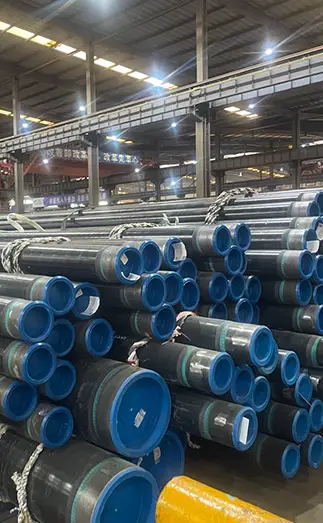
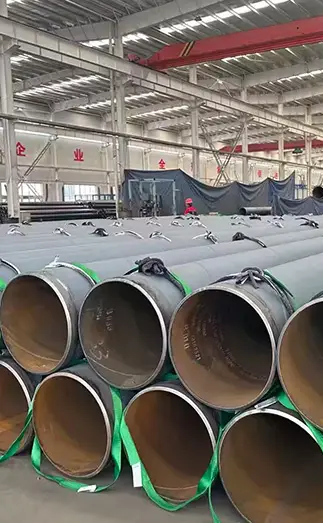
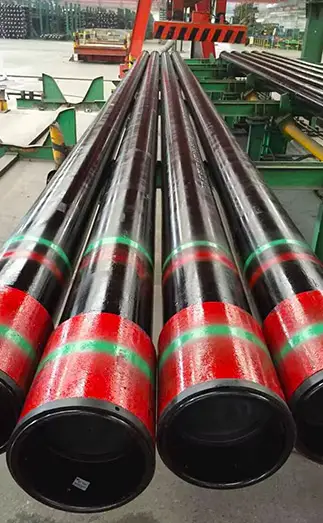
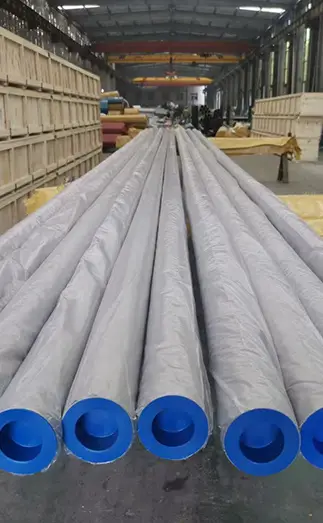
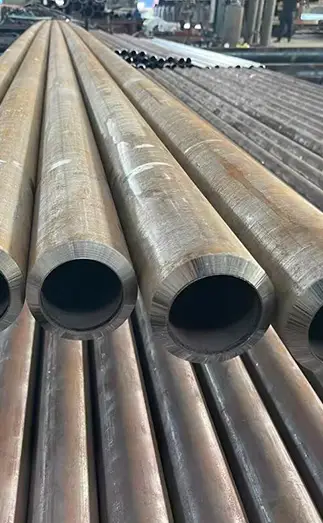
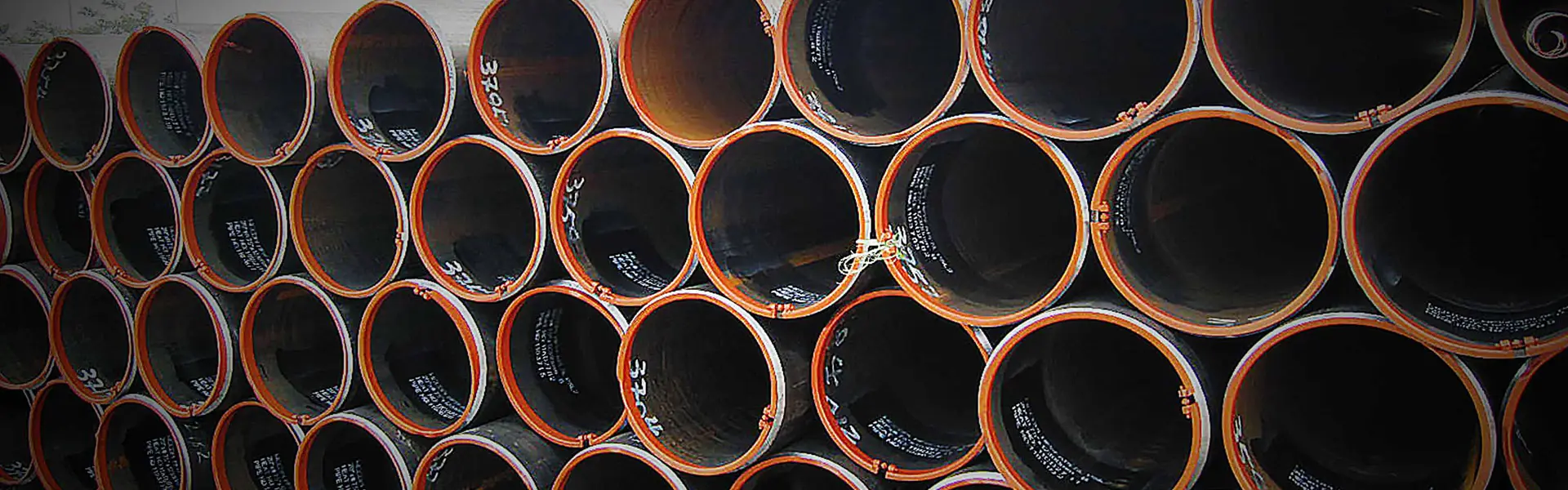
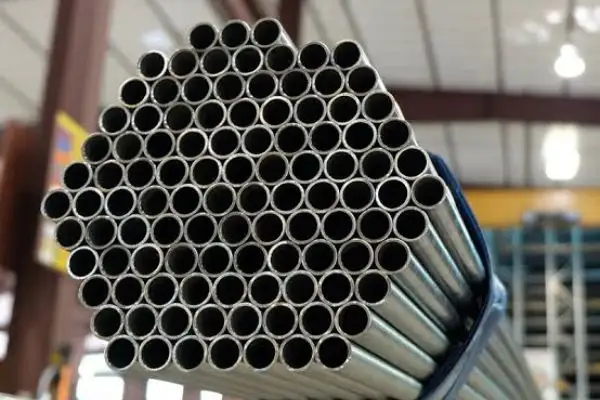
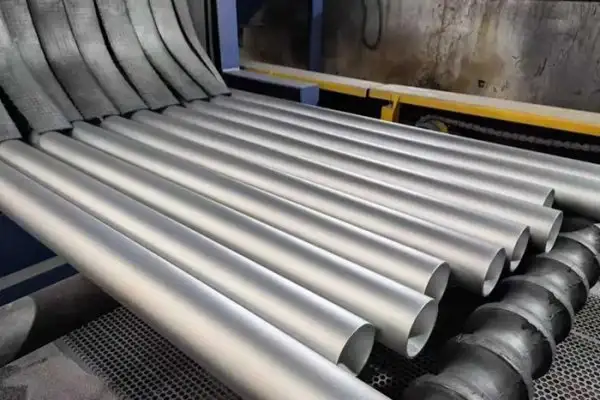
ASTM A333 Gr.6 and ASTM A106 Gr.B are two of the most commonly used carbon steel seamless pipe standards in the oil & gas, petrochemical, LNG, and power generation industries. Although both materials offer similar tensile and yield strength levels, their design purposes and operating temperature ranges are completely different.
Understanding the differences between these two seamless carbon steel pipes helps engineers and buyers avoid incorrect material selection, reduce engineering risks, and optimize project costs.
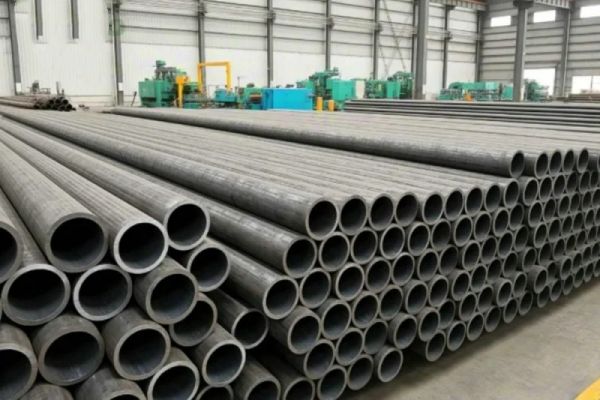
What Is ASTM A333 Gr.6 Pipe?
ASTM A333 Gr.6 is a low-temperature carbon steel seamless pipe designed for cryogenic and sub-zero service conditions.
The material is widely used in:
LNG projects
Cryogenic storage systems
Low-temperature pipelines
Cold-region energy infrastructure
Refrigeration systems
The biggest advantage of A333 Gr.6 is its excellent low-temperature impact toughness, which helps prevent brittle fracture under extremely cold conditions.
What Is ASTM A106 Gr.B Pipe?
ASTM A106 Gr.B is a seamless carbon steel pipe mainly designed for high-temperature and high-pressure service.
Typical applications include:
Boiler systems
High-temperature steam pipelines
Oil refineries
Petrochemical plants
Thermal power stations
This material focuses on thermal strength and long-term stability under elevated temperatures and continuous pressure loads.
A333 Gr.6 vs A106 Gr.B: Key Difference
The core difference between ASTM A333 Gr.6 and ASTM A106 Gr.B is their service temperature design.
|
Material
|
Main Service Environment
|
Key Performance Feature
|
|
ASTM A333 Gr.6
|
Low-temperature service
|
Impact toughness
|
|
ASTM A106 Gr.B
|
High-temperature service
|
Heat resistance
|
A333 Gr.6 is designed for cryogenic safety, while A106 Gr.B is optimized for thermal performance.
Chemical Composition Comparison
The chemical composition of both materials is similar, but ASTM A333 Gr.6 uses stricter impurity control to improve low-temperature toughness.
|
Element
|
ASTM A333 Gr.6
|
ASTM A106 Gr.B
|
Key Difference
|
|
Carbon (C)
|
≤0.30
|
≤0.30
|
Similar
|
|
Manganese (Mn)
|
0.29–1.06
|
0.29–1.06
|
Similar strength level
|
|
Phosphorus (P)
|
≤0.025
|
≤0.035
|
Lower in A333
|
|
Sulfur (S)
|
≤0.025
|
≤0.035
|
Lower in A333
|
Why Lower Sulfur and Phosphorus Matter
Lower phosphorus and sulfur content improves:
Low-temperature toughness
Resistance to brittle fracture
Material ductility
Structural reliability in cryogenic service
This is one of the reasons ASTM A333 Gr.6 performs better in sub-zero environments.
Mechanical Properties Comparison
Both materials have similar strength values, but their testing requirements differ significantly.
|
Property
|
ASTM A333 Gr.6
|
ASTM A106 Gr.B
|
|
Tensile Strength
|
≥415 MPa
|
≥415 MPa
|
|
Yield Strength
|
≥240 MPa
|
≥240 MPa
|
|
Low-Temperature Impact Test
|
Required
|
Not required
|
Impact Testing Difference
ASTM A333 Gr.6 requires mandatory low-temperature impact testing, commonly performed around:
-45°C
Or lower depending on project specifications
This ensures the material maintains toughness and resists brittle fracture in cold environments.
ASTM A106 Gr.B does not require impact testing, making it unsuitable for cryogenic service.
Temperature Range and Application Comparison
The intended service environment is the biggest factor when selecting between these two materials.
ASTM A333 Gr.6 Applications
A333 Gr.6 is commonly used in:
LNG systems
Cryogenic pipelines
Low-temperature storage tanks
Refrigeration plants
Arctic engineering projects
Its ability to maintain toughness at low temperatures makes it ideal for cryogenic systems.
ASTM A106 Gr.B Applications
A106 Gr.B is widely used in:
Boiler piping
High-temperature steam systems
Oil refining equipment
Power plants
Petrochemical facilities
Its high-temperature stability makes it suitable for thermal and pressure-intensive applications.
Cost Difference Between A333 Gr.6 and A106 Gr.B
ASTM A333 Gr.6 is generally more expensive than ASTM A106 Gr.B.
Why A333 Gr.6 Costs More
The higher cost is mainly caused by:
Mandatory impact testing
Stricter quality inspection
Lower impurity limits
Additional manufacturing control
These requirements increase both production complexity and testing costs.
Why A106 Gr.B Is More Economical
A106 Gr.B does not require low-temperature impact testing and is widely used in standard industrial applications.
Advantages include:
Lower production cost
Faster manufacturing
More common market availability
Lower inspection expense
For projects without low-temperature requirements, A106 Gr.B is often the more cost-effective choice.
How to Choose Between A333 Gr.6 and A106 Gr.B
Material selection should be based on:
Operating temperature
Pressure conditions
Safety requirements
Budget considerations
Engineering specifications
Choose ASTM A333 Gr.6 If:
Your project involves:
Low-temperature service
LNG systems
Cryogenic storage
Sub-zero environments
Impact resistance requirements
Choose ASTM A106 Gr.B If:
Your application includes:
High-temperature pipelines
Steam systems
Boilers
Refining equipment
Conventional industrial piping
A333 Gr.6 vs A106 Gr.B Comparison Table
|
Feature
|
ASTM A333 Gr.6
|
ASTM A106 Gr.B
|
|
Pipe Type
|
Seamless carbon steel pipe
|
Seamless carbon steel pipe
|
|
Main Service
|
Low temperature
|
High temperature
|
|
Impact Test
|
Required
|
Not required
|
|
Heat Resistance
|
Moderate
|
Excellent
|
|
Low-Temperature Toughness
|
Excellent
|
Limited
|
|
Typical Applications
|
LNG and cryogenic systems
|
Boilers and steam systems
|
|
Relative Cost
|
Higher
|
Lower
|
Which Pipe Is Better?
Neither material is universally “better.” The correct choice depends entirely on the service environment.
A333 Gr.6 provides better low-temperature safety
A106 Gr.B offers better high-temperature performance and lower cost
Choosing the wrong material may lead to:
Brittle fracture
System failure
Increased maintenance cost
Safety risks
Project delays
FAQ
1. What is the main difference between A333 Gr.6 and A106 Gr.B?
A333 Gr.6 is designed for low-temperature service, while A106 Gr.B is intended for high-temperature applications.
2. Does A106 Gr.B require impact testing?
No. ASTM A106 Gr.B does not require low-temperature impact testing.
3. Why is A333 Gr.6 more expensive?
It requires stricter quality control and mandatory low-temperature impact testing.
4. Which pipe is used for LNG systems?
ASTM A333 Gr.6 is commonly used for LNG and cryogenic applications.
5. Can A106 Gr.B be used in low-temperature environments?
It is generally not recommended for critical low-temperature service because it lacks mandatoryimpact toughness requirements.


 English
 Español
 Français
 بالعربية