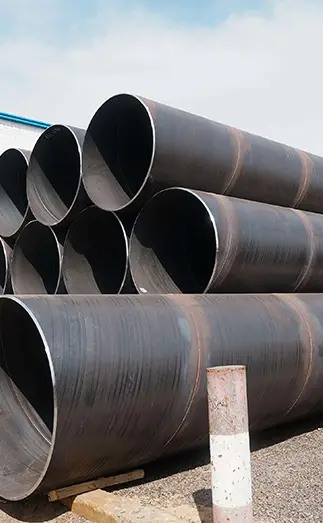
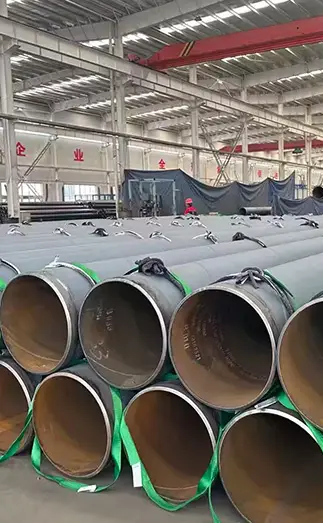
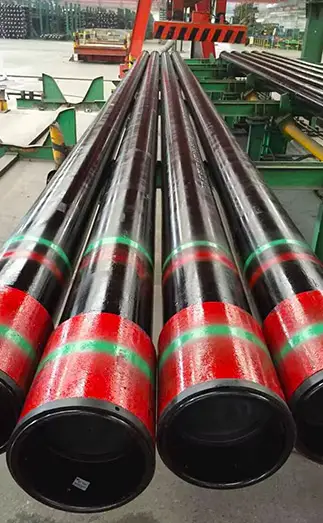
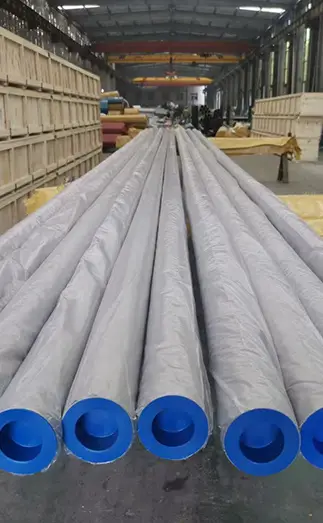
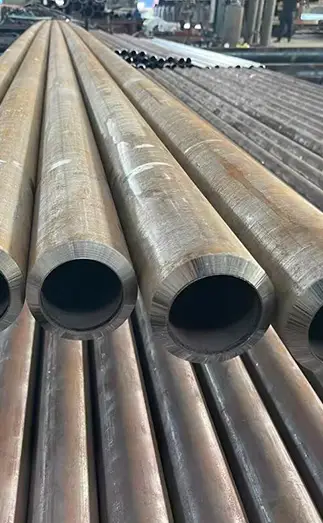
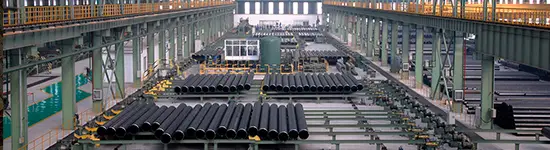
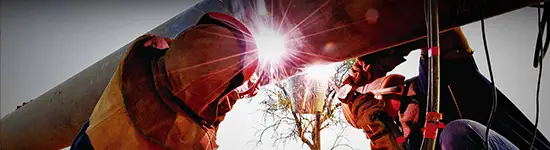
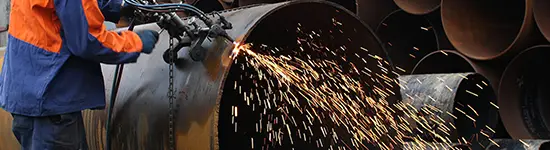
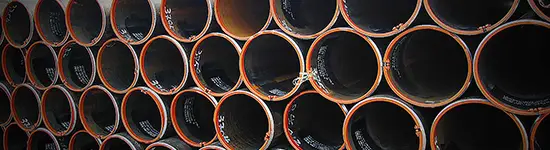
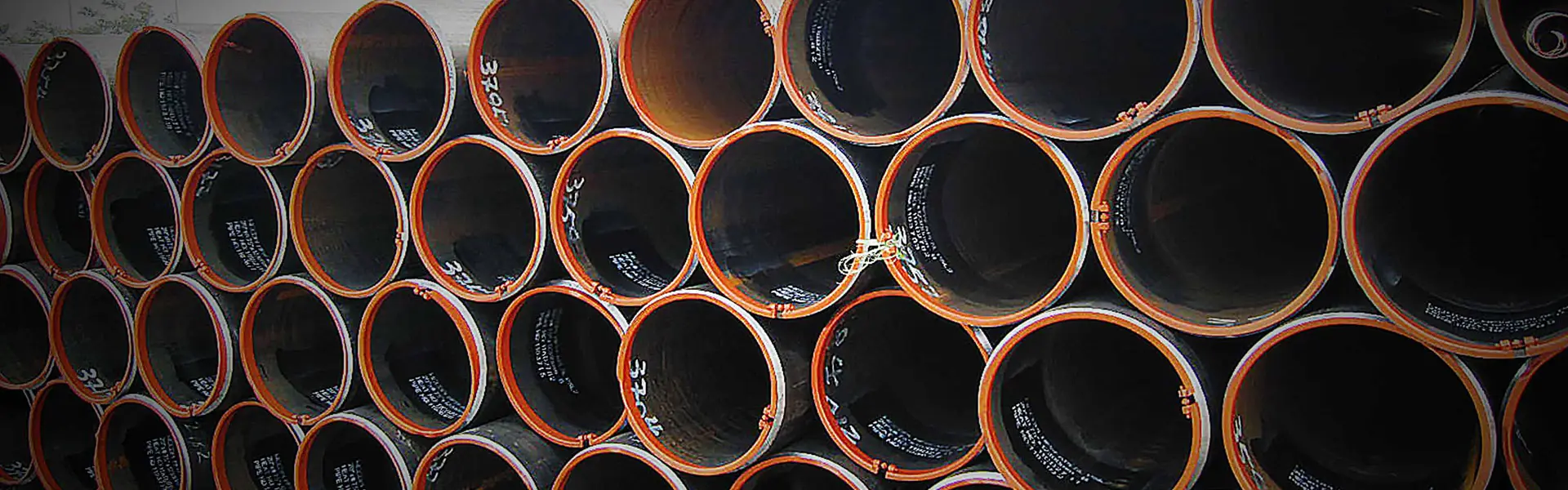
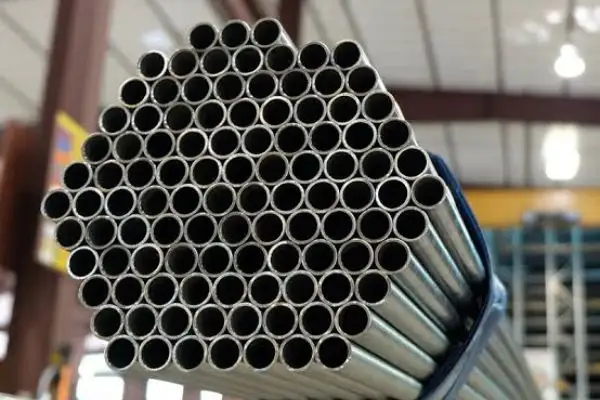
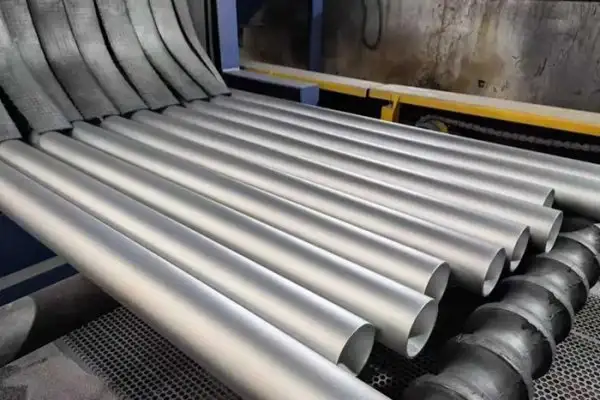
SSAW steel pipe, also known as Spiral Submerged Arc Welded pipe, is a large-diameter welded steel pipe produced by spiral forming hot-rolled steel coils followed by double-sided submerged arc welding. Because of its high production efficiency, large diameter capability, and cost-effective manufacturing process, SSAW steel pipe is widely used in oil and gas transportation, water transmission, structural engineering, and foundation piling projects.
Among international specifications, American standards such as API and ASTM are widely recognized in global engineering and industrial pipeline projects. Different standards define different material grades, mechanical properties, and application requirements for SSAW steel pipes.
This article explains the main American standard materials used for SSAW steel pipe and their common applications.
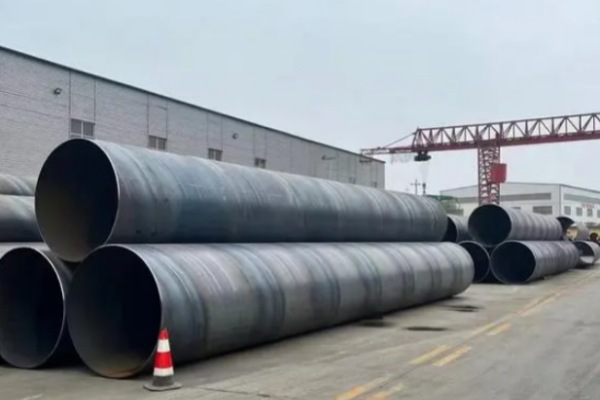
What Is SSAW Steel Pipe?
SSAW steel pipe is manufactured by continuously spirally forming steel strip or coil into a tubular shape and welding both sides using submerged arc welding technology.
Main advantages of SSAW pipe include:
Large diameter production capability
High manufacturing efficiency
Good structural strength
Cost-effective production
Suitable for long-distance pipelines
SSAW steel pipes are widely used in:
Oil and gas pipelines
Water transmission systems
Structural engineering
Bridge construction
Pile foundation projects
Industrial fluid transportation
API 5L Standard for SSAW Pipeline Steel Pipe
What Is API 5L?
API 5L is one of the most important international standards for oil and gas pipeline steel pipes. It was developed by the American Petroleum Institute for pipeline transportation systems.
API 5L steel pipes are divided into:
PSL1 (Product Specification Level 1)
PSL2 (Product Specification Level 2)
PSL2 has stricter requirements for:
Chemical composition
Mechanical properties
Impact toughness
Non-destructive testing
Therefore, PSL2 pipes are commonly used in high-pressure, low-temperature, and corrosive service environments.
Common API 5L Steel Grades
|
Steel Grade
|
Main Features
|
Typical Applications
|
|
GR.A
|
Basic pipeline steel
|
Low-pressure transportation
|
|
GR.B
|
Cost-effective and versatile
|
General oil and gas pipelines
|
|
X42
|
Medium strength
|
Standard pipeline systems
|
|
X52
|
Higher pressure resistance
|
Long-distance pipelines
|
|
X60
|
Good strength-toughness balance
|
Oil and gas transmission
|
|
X65
|
High-strength pipeline steel
|
High-pressure projects
|
|
X70
|
Advanced transmission pipeline steel
|
Long-distance energy pipelines
|
|
X80
|
Ultra-high strength pipeline steel
|
Large-scale high-pressure systems
|
The “X” grades represent minimum yield strength in ksi.
For example:
X42 = 42 ksi (approximately 289 MPa)
X80 = 80 ksi (approximately 552 MPa)
ASTM A53 Standard for General Piping Applications
What Is ASTM A53?
ASTM A53 covers seamless and welded black steel pipes as well as galvanized steel pipes used in mechanical and pressure applications.
This standard is commonly used for:
Water pipelines
Steam transportation
Air systems
Natural gas pipelines
Fire protection piping
Common ASTM A53 Grades
|
Grade
|
Features
|
|
GR.A
|
Lower strength applications
|
|
GR.B
|
Higher strength and most commonly used
|
Compared with API 5L, ASTM A53 has a wider range of general industrial and construction applications.
ASTM A252 Standard for Pile Foundation Pipe
What Is ASTM A252?
ASTM A252 is a standard specifically designed for welded and seamless steel pipe piles used in foundation engineering.
SSAW steel pipes manufactured to ASTM A252 are commonly used in:
Bridge foundations
Dock construction
Building piling systems
Marine structures
Deep foundation engineering
ASTM A252 Grades
|
Grade
|
Application Characteristics
|
|
Grade 1
|
General piling applications
|
|
Grade 2
|
Medium-strength foundation systems
|
|
Grade 3
|
High-strength deep foundation projects
|
Grade 3 provides the highest mechanical strength and load-bearing capability.
ASTM A671 Standard for Pressure Piping
What Is ASTM A671?
ASTM A671 covers electric fusion welded steel pipes used in medium- and low-temperature pressure systems.
Typical operating temperature range:
-29°C to +343°C
This standard is commonly used in:
Chemical plants
Industrial pressure piping
Nuclear auxiliary systems
Low-temperature processing facilities
Common ASTM A671 Material
|
Grade
|
Main Features
|
|
CB70
|
High strength and good low-temperature toughness
|
ASTM A671 materials have strict requirements for:
Chemical composition
Welding quality
Impact toughness
Pressure performance
Other Related ASTM Standards
Additional standards sometimes referenced in SSAW steel pipe manufacturing include:
|
Standard
|
Application
|
|
ASTM A1005
|
Double submerged arc welded line pipe
|
|
ASTM A572
|
High-strength low-alloy structural steel
|
These standards are commonly used for structural projects and specialized engineering requirements.
How to Choose the Right SSAW Steel Pipe Material
Selecting the correct SSAW steel pipe material depends on:
Operating pressure
Transportation medium
Corrosion conditions
Structural load
Temperature environment
Engineering standards
Recommended Material Selection
|
Project Type
|
Recommended Standard
|
|
Oil and gas transmission
|
API 5L X42–X80
|
|
General fluid transportation
|
ASTM A53 GR.B
|
|
Foundation piling
|
ASTM A252 Grade 1–3
|
|
Medium/low-temperature pressure systems
|
ASTM A671 CB70
|
Advantages of American Standard SSAW Steel Pipe
American standard SSAW steel pipes offer:
International engineering recognition
Strict quality control
Reliable mechanical properties
Wide application range
Good welding performance
Strong pressure-bearing capability
These standards are widely accepted in global pipeline and infrastructure projects.
FAQ About SSAW Steel Pipe Standards
1. What does SSAW stand for?
SSAW stands for Spiral Submerged Arc Welded steel pipe.
2. Which standard is commonly used for oil and gas pipelines?
API 5L is the main standard for oil and gas transmission pipelines.
3. What is ASTM A252 used for?
ASTM A252 is mainly used for steel pipe piles and foundation engineering.
4. Which API 5L grades are widely used?
X52, X60, X65, and X70 are commonly used for high-pressure pipeline projects.
5. What is the difference between API 5L and ASTM A53?
API 5L focuses on pipeline transportation systems, while ASTM A53 is mainly used for general industrial and construction piping.


 English
 Español
 Français
 بالعربية