What Is Galvanized Square Tubing?
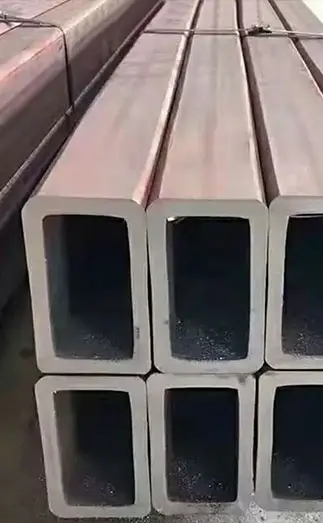
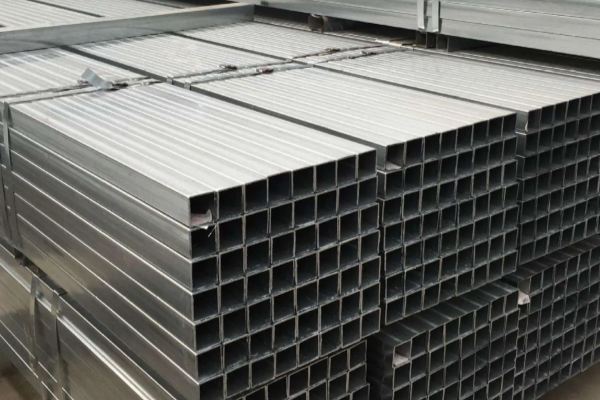
Galvanized square tubing is a hollow structural steel product coated with a zinc layer to improve corrosion resistance and extend service life. It is widely used in construction, fencing systems, steel structures, agricultural equipment, infrastructure, and outdoor engineering projects.
Because galvanized square tubing combines structural strength with anti-rust performance, it has become one of the most commonly used steel tubing products for industrial and structural applications.
Why Proper Use of Galvanized Square Tubing Matters
Correct material selection, installation, and maintenance directly affect:
Structural safety
Corrosion resistance
Service life
Maintenance costs
Project reliability
Improper processing or installation can damage the zinc coating and reduce long-term durability.
International Standards for Galvanized Square Tubing
High-quality galvanized square tubing is commonly manufactured according to international standards such as:
|
Standard
|
Application
|
|
ASTM A500
|
Structural steel tubing
|
|
ASTM A53
|
Steel pipe applications
|
|
EN 10219
|
Cold-formed structural hollow sections
|
|
BS 1387
|
Galvanized steel tube specifications
|
|
JIS Standards
|
Industrial steel tubing
|
Compliance with these standards helps ensure reliable mechanical properties, dimensional accuracy, and corrosion protection.
Key Considerations Before Installation
1. Inspect the Tubing Before Use
Before installation, inspect:
Steel tubing surface condition
Pipe fittings
Rubber rings or sealing components
Zinc coating integrity
Dimensional accuracy
Any damaged or defective products should be replaced before use.
2. Clean the Tubing Surface
The tubing ends and connection areas should be cleaned before assembly to remove:
Dirt
Oil
Debris
Moisture
Metal particles
Clean surfaces help improve sealing performance and reduce contamination during installation.
3. Install Rubber Rings Correctly
For piping or connection systems using rubber seals:
Clean the rubber ring thoroughly
Insert it evenly into the groove
Avoid twisting or deformation
Ensure uniform seating around the connection area
Improper installation may cause leakage or sealing failure.
4. Use Lubricant During Installation
Applying lubricant to:
The tubing connection area
Rubber rings
Socket surfaces
helps reduce installation resistance and protects the galvanized coating from damage during assembly.
5. Avoid Damaging the Zinc Coating
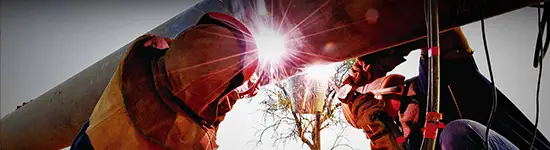
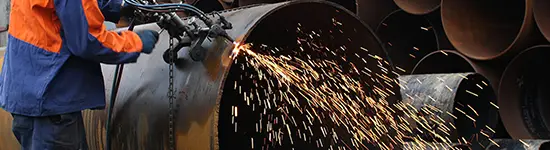
The galvanized zinc layer provides corrosion protection. During cutting, drilling, or welding, the coating may become damaged.
Important Processing Precautions
|
Processing Method
|
Recommended Action
|
|
Cutting
|
Use suitable cutting tools
|
|
Welding
|
Minimize heat-affected coating damage
|
|
Grinding
|
Avoid excessive surface grinding
|
|
Post-Processing
|
Remove slag and oxidation immediately
|
After fabrication, exposed steel areas should be repaired using:
Zinc-rich paint
Anti-corrosion coating
Cold galvanizing compounds
Proper post-treatment significantly improves long-term corrosion resistance.
How to Prevent Rust on Galvanized Square Tubing
Although galvanized tubing has strong corrosion resistance, proper maintenance is still important.
Rust Prevention Methods
Proper Storage
Store galvanized square tubing in:
Dry environments
Well-ventilated areas
Locations away from standing water
Repair Damaged Coating Areas
After cutting or welding:
Repair exposed steel immediately
Apply zinc-rich protective coatings
Regular Cleaning and Inspection
Periodic maintenance helps remove:
Dirt
Salt deposits
Industrial chemicals
Surface contaminants
This is especially important in:
Coastal environments
Industrial areas
High-humidity conditions
Advantages of Galvanized Square Tubing
|
Feature
|
Benefit
|
|
Zinc Coating
|
Excellent corrosion resistance
|
|
High Structural Strength
|
Suitable for load-bearing applications
|
|
Long Service Life
|
Reduced maintenance costs
|
|
Easy Fabrication
|
Convenient cutting and welding
|
|
Versatile Applications
|
Suitable for industrial and construction use
|
Common Applications of Galvanized Square Tubing
Galvanized square steel tubing is widely used in:
Building structures
Steel frameworks
Fencing systems
Agricultural equipment
Outdoor structures
Infrastructure projects
Mechanical fabrication
Transportation systems
Its durability and corrosion resistance make it suitable for both indoor and outdoor applications.
Conclusion
Galvanized square tubing offers reliable structural strength, corrosion resistance, and long-term durability for industrial and construction applications. However, proper inspection, installation, fabrication, and maintenance are essential for maximizing service life and project performance.
Factors such as zinc coating quality, dimensional accuracy, environmental conditions, and post-processing treatment should always be considered before purchasing and installation.
FAQ
1. What is galvanized square tubing used for?
It is commonly used in construction, fencing, steel structures, agricultural equipment, and outdoor engineering projects.
2. Why is the zinc coating important?
The zinc coating protects the steel surface from rust and corrosion.
3. Can galvanized square tubing rust?
Yes. If the zinc coating is damaged or exposed to severe environments, rust may eventually develop.
4. How can damaged galvanized coating be repaired?
Exposed areas can be repaired using zinc-rich paint or anti-corrosion coatings.
5. Is galvanized square tubing suitable for outdoor use?
Yes. It is widely used outdoors because of its strong weather and corrosion resistance.


 English
 Español
 Français
 بالعربية