What Are Galvanized Steel Pipes?
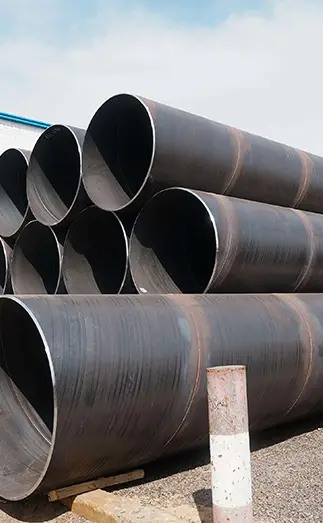
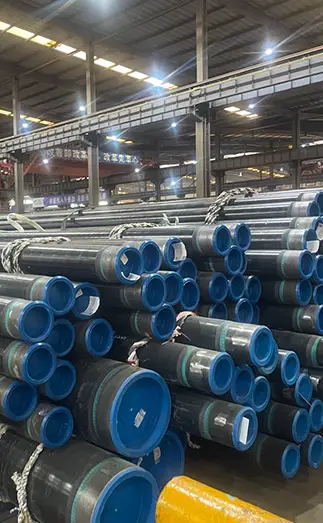
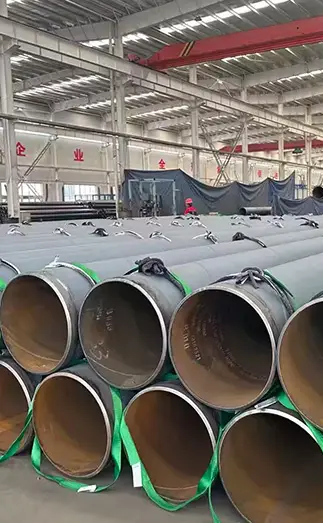
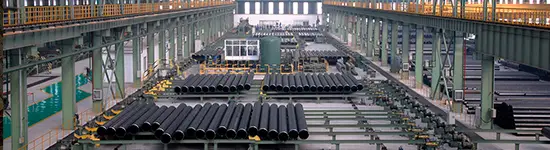
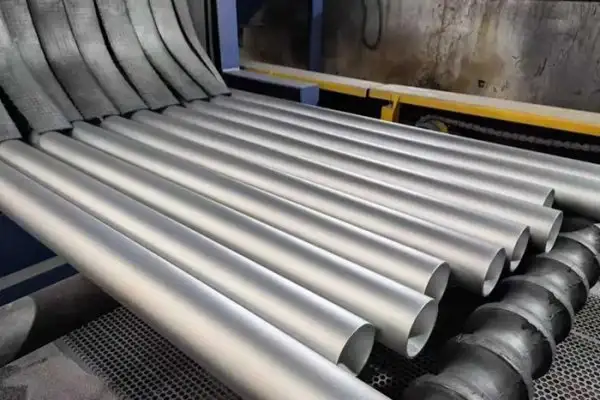
Galvanized steel pipes are carbon steel pipes coated with a protective zinc layer to improve corrosion resistance and extend service life. The zinc coating forms a barrier that protects the steel from moisture, oxidation, and environmental exposure commonly found in plumbing and infrastructure systems.
In modern plumbing applications, galvanized steel pipes are widely used because they combine:
High mechanical strength
Good pressure resistance
Long service life
Reliable corrosion protection
Cost-effective long-term performance
Compared with uncoated carbon steel pipes, galvanized pipes offer significantly improved durability in humid, outdoor, and underground environments.
How Galvanized Steel Pipes Are Manufactured
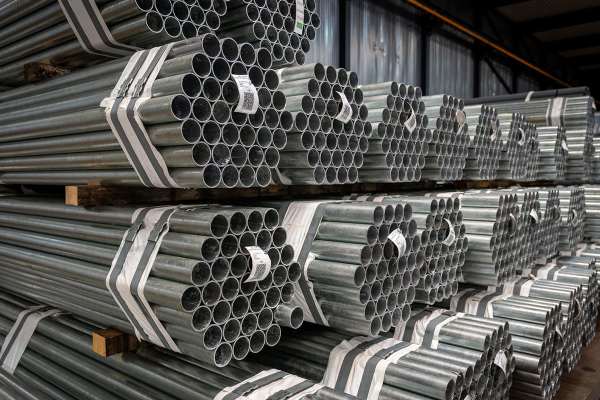
The most common production method is hot-dip galvanizing. In this process, carbon steel pipes are immersed in molten zinc, creating a metallurgical bond between the zinc coating and the steel surface.
The zinc layer provides:
External corrosion resistance
Internal rust protection
Sacrificial protection against scratches or coating damage
Extended operational lifespan
Under suitable operating conditions, galvanized steel pipes can achieve a service life of 40–50 years.
Types of Galvanized Steel Pipes
Galvanized steel pipes are generally divided into two categories:
1. Galvanized Welded Steel Pipe
Manufactured from steel strip or plate through welding and then galvanized. Commonly used for:
Residential plumbing
Water supply systems
Fire protection pipelines
Structural applications
2. Galvanized Seamless Steel Pipe
Produced from solid steel billets without weld seams, then hot-dip galvanized. Suitable for:
High-pressure fluid transmission
Industrial piping systems
Outdoor infrastructure
Mechanical applications
Seamless galvanized pipes typically provide higher pressure capacity and better structural uniformity.
Common Sizes and Specifications ofGalvanized Steel Pipes
Modern galvanized steel pipes are available in a wide range of sizes and wall thicknesses to support different plumbing and industrial projects.
Typical specifications include:
Size range: 1/8" to 36"
Schedules: SCH 40, SCH 80, SCH 120, SCH 160, XH, XXH
Connection types:
Threaded
Welded
Grooved
Coupling connections
This flexibility allows galvanized pipes to adapt to residential, commercial, municipal, and industrial pipeline systems.
Why Galvanized Steel Pipes Remain Popular
Although alternative piping materials are available today, galvanized steel pipes continue to be widely used because of their durability and structural strength.
Key Advantages
Excellent Corrosion Resistance
The zinc coating protects the steel against rust and environmental exposure, making galvanized pipes suitable for outdoor and humid conditions.
High Strength and Pressure Resistance
Galvanized steel pipes can withstand demanding operating pressures and mechanical stress.
Long Service Life
Properly manufactured galvanized pipes can remain operational for decades with minimal maintenance.
Reliable for Harsh Environments
They perform well in:
Underground water systems
Outdoor plumbing
Fire sprinkler systems
Industrial fluid transportation
Cost-Effective Infrastructure Solution
Their long lifespan and reduced maintenance requirements help lower overall lifecycle costs.
ASTM A53 Requirements for Galvanized Steel Pipes
Many galvanized steel pipes used in plumbing and industrial systems are manufactured according to the ASTM A53 standard.
Key requirements may include:
Hot-dip galvanizing inside and outside surfaces
Minimum zinc coating weight of 1.8 oz./ft² (0.55 kg/m²)
Hydrostatic pressure testing
Mechanical strength testing
Dimensional inspection
Typical hydrostatic testing pressures include:
2,500 psi for NPS 3 and smaller
2,800 psi for larger sizes
These testing procedures help ensure leak resistance, structural reliability, and long-term performance.
Typical Applications of Galvanized Steel Pipes
Galvanized steel pipes are commonly used in:
|
Application
|
Purpose
|
|
Residential plumbing
|
Water distribution systems
|
|
Commercial buildings
|
Utility piping
|
|
Fire protection systems
|
Sprinkler pipelines
|
|
Municipal projects
|
Water transmission
|
|
Industrial plants
|
Fluid transportation
|
|
Outdoor infrastructure
|
Corrosion-resistant piping
|
Because of their durability, galvanized pipes remain a practical choice for projects requiring reliable long-term operation.
Quality Control and Industry Certifications
High-quality galvanized steel pipe manufacturers typically implement strict quality management systems covering:
Raw material inspection
Zinc coating thickness control
Dimensional tolerance inspection
Hydrostatic testing
Mechanical property verification
Common certifications include:
ISO 9001
ISO 14001
ISO 45001
CE certification
These certifications help ensure consistent manufacturing quality and international compliance.
Global Market Outlook
The global galvanized steel market continues to grow due to increasing infrastructure investment, urban development, and industrial demand.
Steel pipes and tubes remain one of the fastest-growing application segments because they offer:
Strong corrosion resistance
High structural reliability
Long operational lifespan
Cost-efficient maintenance performance
As infrastructure projects expand worldwide, galvanized steel pipes are expected to remain an important material for plumbing and fluid transmission systems.
FAQ
1. What are galvanized steel pipes used for?
They are used in plumbing, fire protection, water transmission, and industrial piping systems.
2. Why are galvanized steel pipes corrosion-resistant?
The zinc coating protects the steel from moisture and rust.
3. What is the difference between welded and seamless galvanized pipes?
Welded pipes are common for general use, while seamless pipes are better for high-pressure applications.
4. How long do galvanized steel pipes last?
Their service life can reach 40–50 years under proper conditions.
5. Are galvanized steel pipes suitable for outdoor use?
Yes. They perform well in outdoor and underground environments.


 English
 Español
 Français
 بالعربية