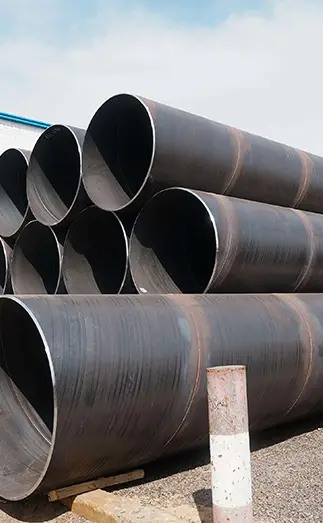
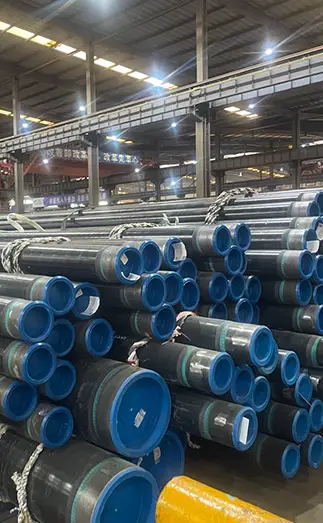
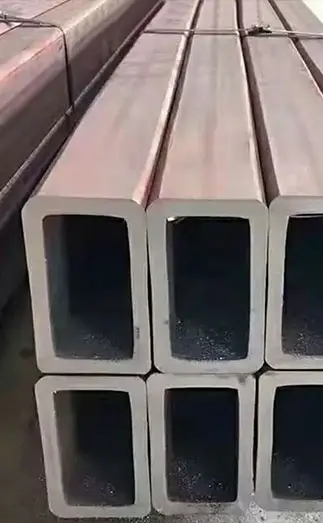
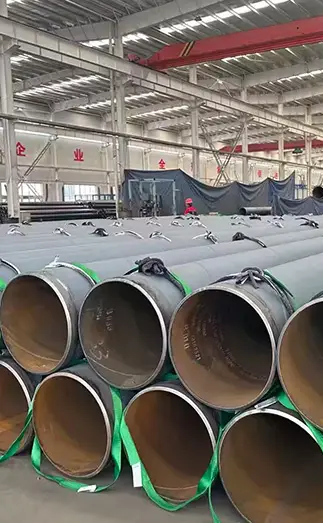
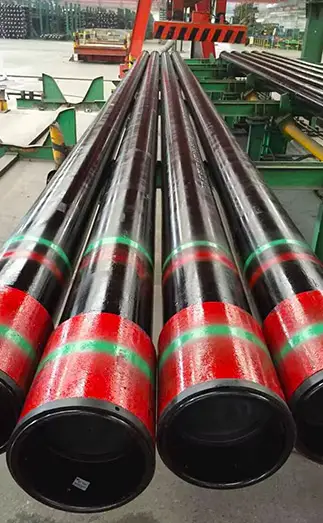
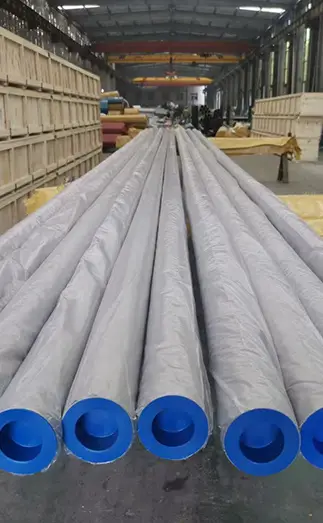
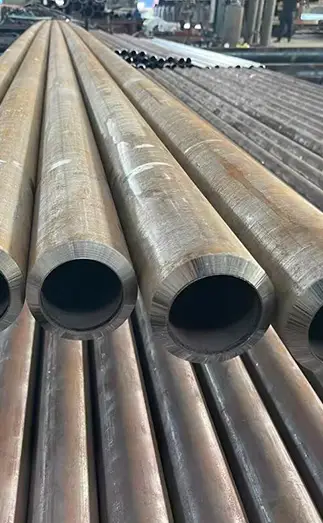
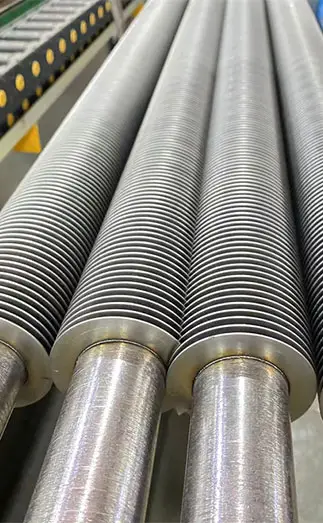
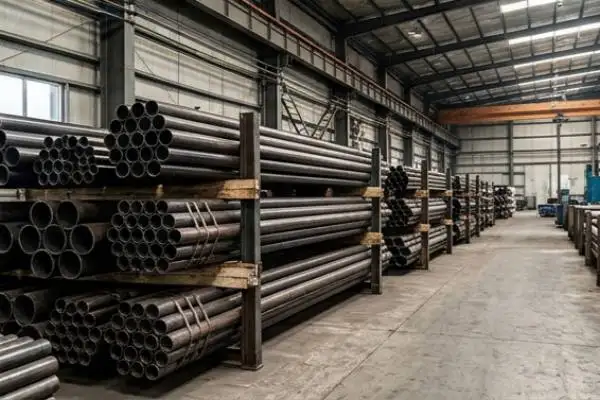
Proper storage is essential for maintaining the quality and service life of seamless steel pipes. Whether the pipes are intended for oil & gas transmission, construction, power generation, or industrial processing, incorrect storage can lead to corrosion, coating damage, surface contamination, and dimensional defects. By following appropriate storage and surface protection practices, manufacturers and end users can preserve pipe performance before installation.
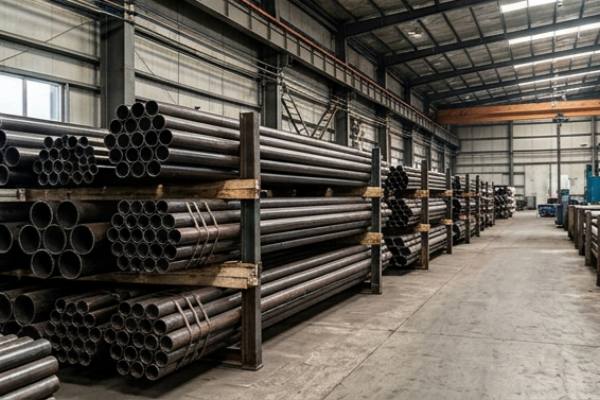
Why Proper Storage Matters
Seamless steel pipes are often stored for extended periods before transportation or project installation. During this time, exposure to moisture, dust, chemicals, and mechanical damage may reduce coating performance and accelerate corrosion. Proper storage conditions help maintain surface integrity, improve coating adhesion, and minimize maintenance costs.
Key Considerations for Seamless Steel Pipe Storage
1. Store in a Dry and Ventilated Area
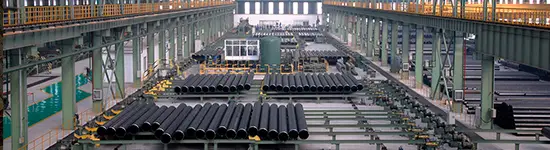
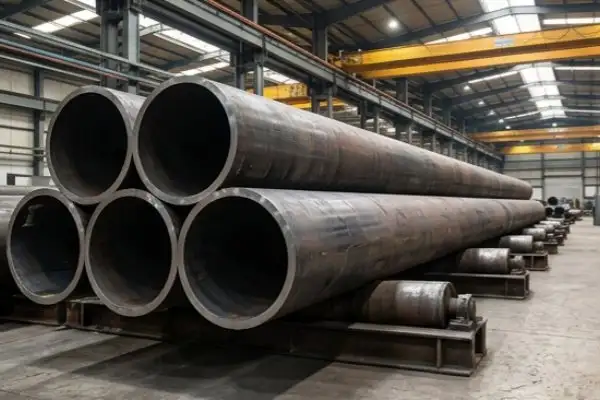
Steel pipes should be stored in clean, dry, and well-ventilated warehouses whenever possible. Avoid direct exposure to rain, standing water, excessive humidity, or prolonged sunlight, as these conditions may promote corrosion or damage protective coatings.
2. Keep Pipes Away from Corrosive Materials
Do not store seamless steel pipes near acids, alkalis, salts, fertilizers, or other corrosive chemicals. Chemical contamination can damage both the steel surface and protective coatings, reducing long-term durability.
3. Prevent Mechanical Damage
During loading, unloading, and storage, pipes should be handled carefully to prevent dents, scratches, and deformation. Protective pads, wooden supports, or rubber spacers can help minimize surface damage.
4. Elevate Pipes Above Ground
Pipes should be placed on racks or sleepers rather than directly on the ground. Keeping the pipes elevated improves ventilation, prevents water accumulation, and reduces contact with soil contaminants.
5. Protect Pipe Ends
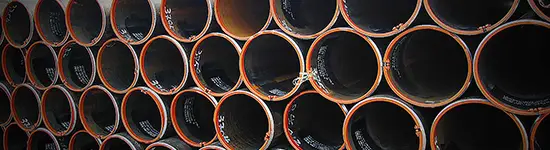
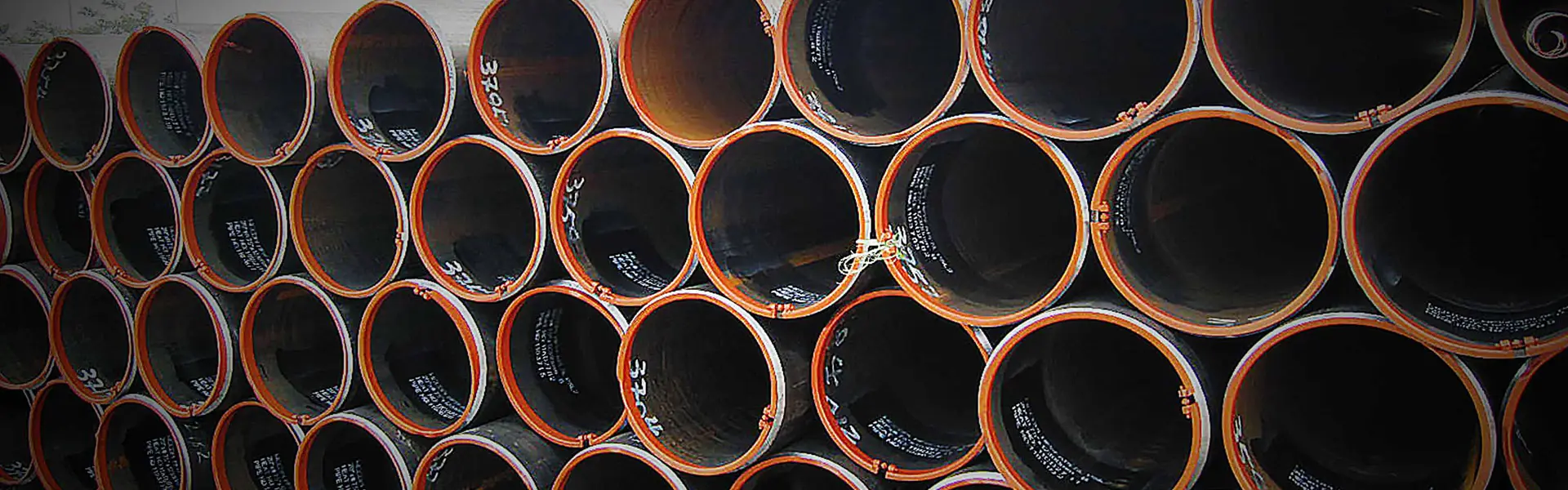
Pipe ends should be fitted with protective caps or covers to prevent dust, moisture, insects, and foreign materials from entering the interior of the pipe during storage and transportation.
Surface Preparation Before Coating or Installation
If seamless steel pipes require anti-corrosion coating, proper surface preparation is critical for achieving long-lasting protection.
Surface Cleaning
Remove oil, grease, dust, and other contaminants using suitable solvents or cleaning agents before further processing.
Pickling
Chemical pickling can effectively remove rust, mill scale, and old coatings, preparing the surface for subsequent treatment. Proper rinsing is necessary to eliminate residual acids.
Mechanical Cleaning
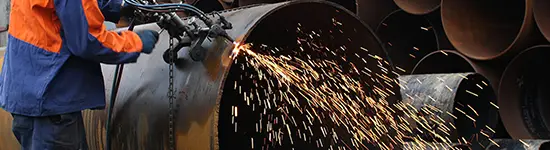
Wire brushing, grinding, and power tool cleaning are suitable for removing loose rust, welding slag, and surface oxides. The selected method should meet the required surface preparation standard.
Abrasive Blasting
Shot blasting or grit blasting is widely recognized as the most effective surface preparation method. It removes rust and scale while creating a uniform surface profile that significantly improves coating adhesion and long-term corrosion resistance.
Protecting Coated Seamless Steel Pipes
After coating, additional precautions help preserve coating quality:
Avoid impact during transportation.
Prevent prolonged UV exposure when applicable.
Inspect coating integrity before shipment.
Repair damaged coating areas promptly.
Store coated pipes according to the coating manufacturer's recommendations.
Why Storage and Surface Preparation Are Important
Proper storage combined with professional surface preparation significantly extends the service life of seamless steel pipes. Clean surfaces, controlled storage conditions, and effective corrosion protection improve coating performance, reduce maintenance costs, and ensure reliable operation throughout the pipeline lifecycle.
At Super Steel, every seamless steel pipe undergoes strict inspection for surface quality, dimensions, and mechanical properties. We also provide a wide range of anti-corrosion solutions, including FBE, 3LPE, 3LPP, epoxy, and galvanized coatings, ensuring dependable performance for oil & gas, petrochemical, power generation, infrastructure, and industrial applications.
FAQ
1. How should seamless steel pipes be stored?
Store them in a dry, clean, and well-ventilated environment away from moisture and corrosive chemicals.
2. Why should steel pipes be elevated during storage?
Elevating pipes prevents water accumulation, improves airflow, and reduces corrosion risks.
3. What is the best surface preparation method before coating?
Abrasive blasting is generally the preferred method because it removes contaminants and creates an ideal surface profile for coating adhesion.
4. How can coated pipes be protected during storage?
Use protective supports, avoid impacts, and inspect the coating regularly for any damage.
5. Why is surface preparation important?
Proper surface preparation improves coating adhesion, enhances corrosion resistance, and extends the service life of seamless steel pipes.


 English
 Español
 Français
 بالعربية