Stainless steel square tubing is one of the most widely used structural materials in industries that require high strength, corrosion resistance, and an attractive surface finish. Available in both seamless and welded forms, stainless steel square tubes are commonly used in construction, industrial equipment, food processing, chemical plants, transportation, marine engineering, and architectural fabrication.
Compared with carbon steel square tubing, stainless steel square tubing contains chromium and other alloying elements that form a passive oxide film on the surface. This protective layer significantly improves resistance to corrosion, oxidation, and staining, making stainless steel square tubing suitable for both indoor and outdoor applications with minimal maintenance.
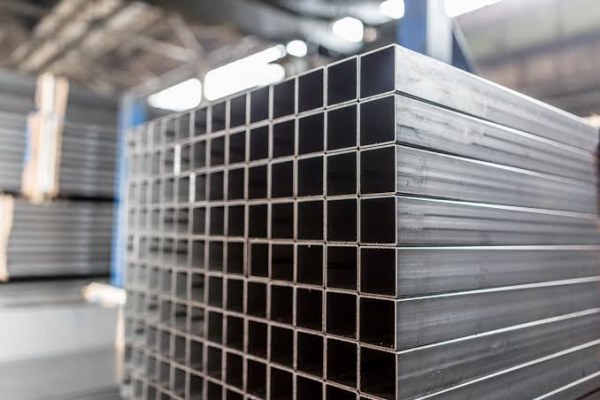
What Is Stainless Steel Square Tubing?
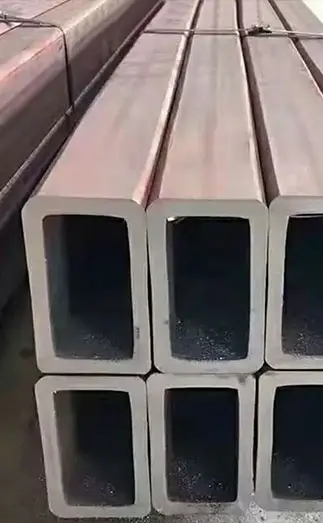
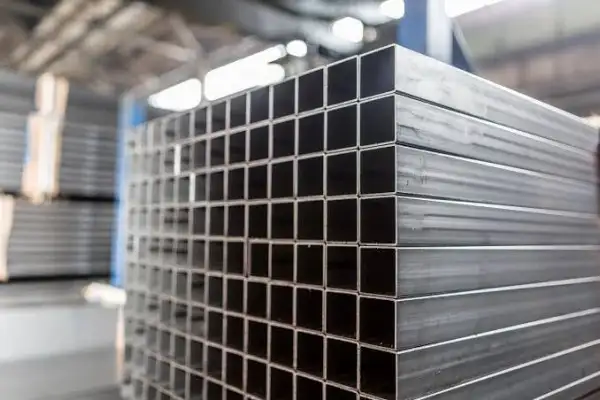
Stainless steel square tubing is a hollow structural section (HSS) with four equal sides. It is manufactured from stainless steel through either seamless or welded production processes, depending on the required mechanical performance and application.
Its uniform cross-section provides excellent load distribution, torsional strength, and fabrication flexibility, making it an ideal choice for structural frameworks, support systems, and precision engineering projects.
Main Characteristics
Excellent corrosion and oxidation resistance
High strength-to-weight ratio
Smooth, attractive surface finish
Good weldability and machinability
Long service life with low maintenance
Suitable for indoor, outdoor, and corrosive environments
Common Stainless Steel Square Tubing Grades
Selecting the appropriate material grade depends on corrosion exposure, operating temperature, and project requirements.
|
Grade
|
Features
|
Typical Applications
|
|
304
|
General-purpose corrosion resistance
|
Building structures, furniture, equipment frames
|
|
304L
|
Lower carbon content for improved weldability
|
Fabricated structural components
|
|
316
|
Enhanced resistance to chlorides and chemicals
|
Marine, chemical processing, offshore
|
|
316L
|
Low-carbon version of 316 with superior welding performance
|
Pharmaceutical and food processing equipment
|
Seamless vs Welded Stainless Steel Square Tubing
Manufacturing methods influence both performance and cost.
|
Feature
|
Seamless Square Tubing
|
Welded Square Tubing
|
|
Manufacturing
|
Formed from seamless round tube
|
Produced from stainless steel strip
|
|
Mechanical Strength
|
Higher
|
Standard structural strength
|
|
Pressure Resistance
|
Excellent
|
Moderate
|
|
Structural Uniformity
|
No weld seam
|
Longitudinal weld present
|
|
Manufacturing Cost
|
Higher
|
More economical
|
|
Typical Applications
|
High-pressure equipment, precision engineering
|
Structural fabrication, architecture, industrial frames
|
Typical Specifications of Stainless Steel Square Tubing
Stainless steel square tubing is available in a wide range of dimensions to meet different engineering requirements.
|
Specification
|
Description
|
|
Product Form
|
Square Hollow Section (SHS)
|
|
Manufacturing
|
Seamless or Welded
|
|
Material Grades
|
304, 304L, 316, 316L
|
|
Surface Finish
|
Mill Finish, Pickled, Brushed, Polished
|
|
Wall Thickness
|
Customized according to application
|
|
Length
|
Standard or custom lengths available
|
Common Applications of Stainless Steel Square Tubing
Thanks to its corrosion resistance and structural reliability, stainless steel square tubing is widely used across numerous industries.
Construction and Architecture
Structural frameworks
Building facades
Curtain wall supports
Stair railings
Handrails
Decorative structures
Industrial Manufacturing
Machine frames
Production equipment
Conveyor systems
Storage racks
Automation equipment
Food and Pharmaceutical Industries
The hygienic surface of stainless steel makes it suitable for:
Food processing machinery
Pharmaceutical equipment
Cleanroom facilities
Beverage production lines
Marine and Offshore Engineering
Grade 316 and 316L stainless steel square tubing performs well in chloride-rich environments such as:
Marine structures
Offshore platforms
Coastal infrastructure
Shipbuilding
Transportation Equipment
Applications include:
Vehicle frames
Trailer structures
Railway equipment
Heavy-duty transportation systems
Advantages of Stainless Steel Square Tubing
Compared with conventional structural materials, stainless steel square tubing offers several important benefits.
Outstanding Corrosion Resistance
The chromium-rich passive layer protects the steel against rust, oxidation, moisture, and many chemical environments, reducing maintenance throughout its service life.
High Structural Strength
The square profile provides excellent resistance to bending and torsional loads while maintaining a relatively low overall weight.
Excellent Fabrication Performance
Stainless steel square tubing can be easily:
Cut
Welded
Bent
Drilled
Machined
Polished
This versatility simplifies fabrication and installation.
Long Service Life
Its resistance to corrosion and environmental degradation allows stainless steel square tubing to maintain stable mechanical properties even under demanding operating conditions.
Sustainable Material
Stainless steel is fully recyclable and retains its mechanical performance after recycling, making it an environmentally responsible choice for modern construction and manufacturing.
Quality Inspection of Stainless Steel Square Tubing
Reliable stainless steel square tubing should undergo comprehensive quality control before delivery.
Typical inspection items include:
Chemical composition analysis
Mechanical property testing
Dimensional inspection
Surface finish inspection
Weld inspection (for welded tubing)
Straightness verification
Non-destructive testing (NDT)
These inspections help ensure compliance with international standards and project specifications.
How to Choose Stainless Steel Square Tubing
When selecting stainless steel square tubing, engineers and buyers should consider several key factors:
Operating environment (indoor, outdoor, marine, or chemical exposure)
Required corrosion resistance
Structural load requirements
Seamless or welded construction
Material grade (304, 304L, 316, or 316L)
Tube dimensions and wall thickness
Applicable manufacturing standards
Proper material selection improves structural reliability while optimizing lifecycle costs.
FAQ
1. What is stainless steel square tubing used for?
It is widely used in structural frameworks, industrial equipment, architectural fabrication, food processing facilities, transportation equipment, marine engineering, and machinery manufacturing.
2. What is the difference between seamless and welded stainless steel square tubing?
Seamless tubing offers a continuous structure without weld seams, providing higher pressure resistance and better mechanical performance. Welded tubing is more economical and suitable for most structural applications.
3. Which stainless steel grade is best for outdoor or marine environments?
Grade 316 and 316L provide better resistance to chloride corrosion than 304, making them the preferred choice for coastal, marine, and chemical processing applications.
4. Can stainless steel square tubing be welded and machined?
Yes. Most grades, particularly 304L and 316L, offer excellent weldability and can also be cut, drilled, bent, machined, and polished for custom fabrication.
5. How do I choose the right stainless steel square tubing?
Selection should be based on corrosion environment, mechanical load, required dimensions, wall thickness, material grade, manufacturing method (seamless or welded), and applicable project standards.


 English
 Español
 Français
 بالعربية