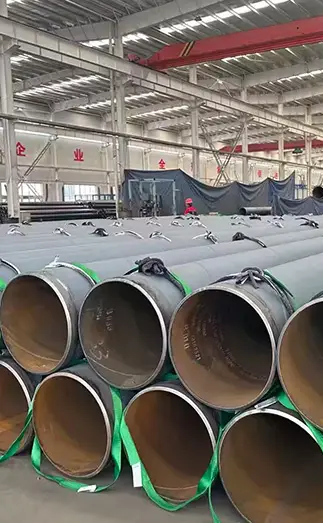
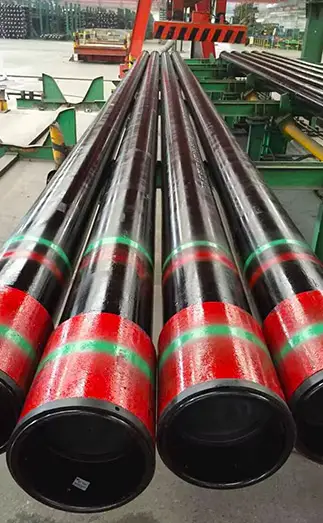
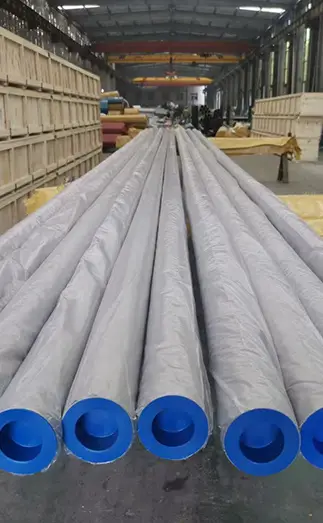
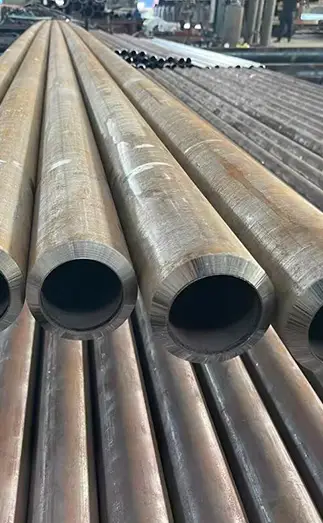
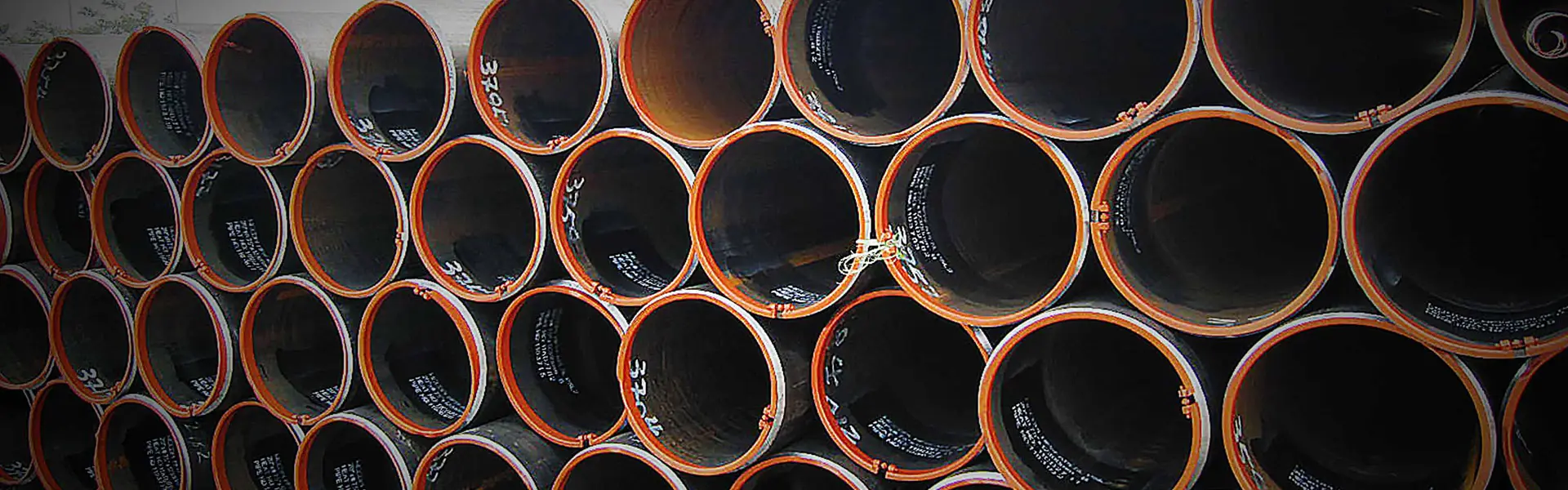
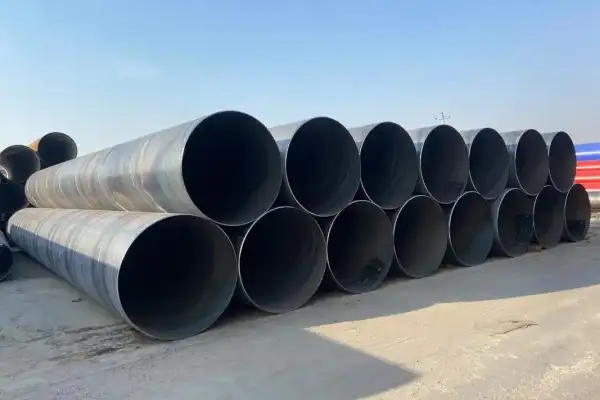
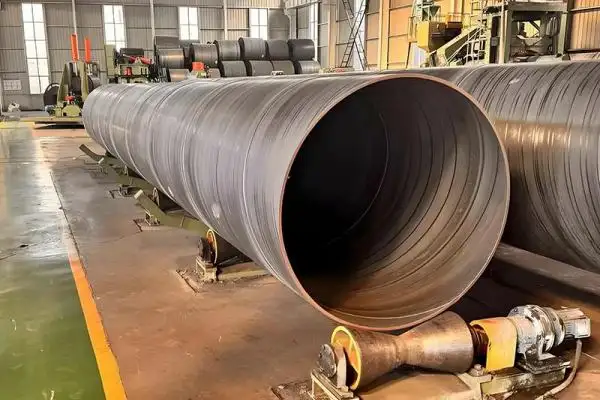
The main challenges in piping spool fabrication are dimensional accuracy, material selection, transportation, installation coordination, and compliance with applicable standards. Effective control of these factors helps reduce field modifications, installation delays, and quality issues.
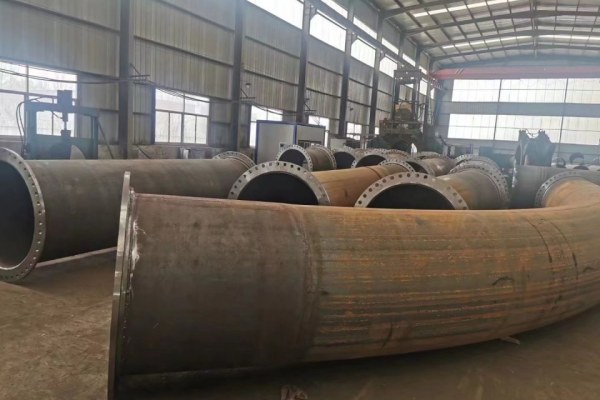
1. Dimensional Accuracy and Fabrication Precision
Why is precision important in pipe spool fabrication?
Pipe spools are prefabricated to specific dimensions, so even small deviations in pipe cutting, fitting, or welding can cause alignment problems during field installation.
Key controls include:
Accurate pipe cutting and beveling
Precise fit-up of pipes and fittings
Welding and dimensional inspection
Verification against approved spool drawings
2. Transportation and Handling
How are large piping spools transported safely?
Large or heavy spools require proper lifting, securing, packaging, and transportation planning. Improper handling can cause deformation, coating damage, or connection-point misalignment.
3. Material Selection
Why does material selection matter for piping spools?
The pipe, fittings, flanges, and welding materials must be compatible with the system's operating conditions, including pressure, temperature, fluid characteristics, and corrosion exposure.
Common material considerations include:
Carbon steel
Stainless steel
Alloy steel
Low-temperature steel
Corrosion-resistant materials
4. Standards and Quality Compliance
Which standards apply to piping spool fabrication?
Depending on the project and piping service, fabricated spools may need to comply with standards and specifications such as ASME, ASTM, and API.
Quality control may include:
Material identification and traceability
Dimensional inspection
Visual weld inspection
Nondestructive testing (NDT)
Pressure testing when specified
Inspection records and material certificates
5. Installation Coordination
How can spool fabrication affect field installation?
Spool dimensions, orientation, flange locations, and connection points must match the piping layout and equipment interfaces. Accurate fabrication reduces field adjustment, additional welding, and installation rework.
Key Takeaway
Successful piping spool fabrication depends on precision, correct material selection, controlled transportation, standards compliance, and accurate installation coordination. Managing these factors before shipment can significantly reduce on-site rework and improve overall piping installation efficiency.
FAQ
1. What is the biggest challenge in piping spool fabrication?
Dimensional accuracy is one of the most critical challenges because fabrication errors can cause alignment problems during installation.
2. What standards are used for piping spool fabrication?
Commonly referenced standards include ASME, ASTM, and API, depending on the piping system and project requirements.
3. Why is material selection important for pipe spools?
The selected materials must withstand the system's pressure, temperature, fluid characteristics, and corrosion conditions.
4. How can fabrication errors affect installation?
Incorrect dimensions or connection locations can lead to field modifications, additional welding, delays, and higher project costs.


 English
 Español
 Français
 بالعربية