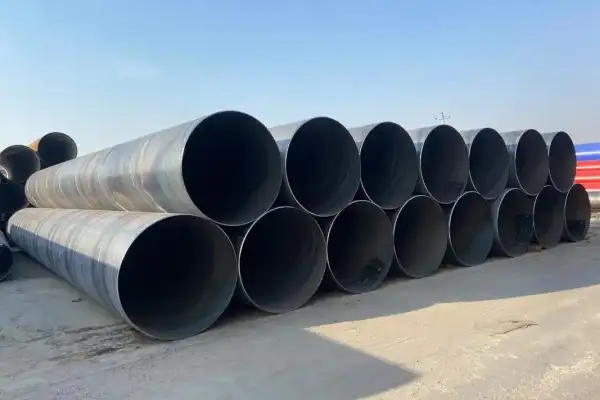
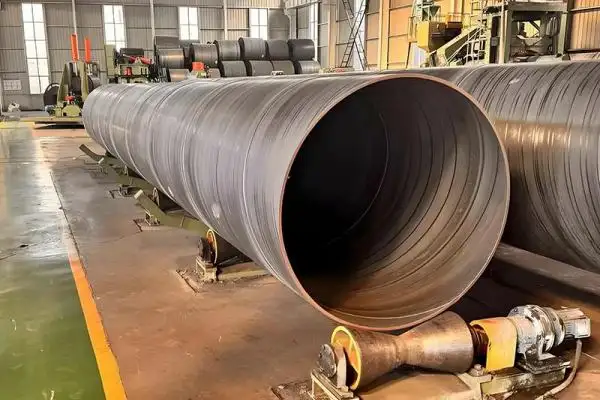
Choosing the right piping spool manufacturer is critical for maintaining fabrication quality, installation efficiency, project schedules, and overall piping system performance. A reliable manufacturer should have proven fabrication experience, strict quality control, customization capabilities, and compliance with applicable international standards.
For industrial projects, buyers should evaluate more than price. The right pipe spool manufacturer should be able to demonstrate technical expertise, manufacturing capacity, material traceability, inspection procedures, and reliable delivery performance.
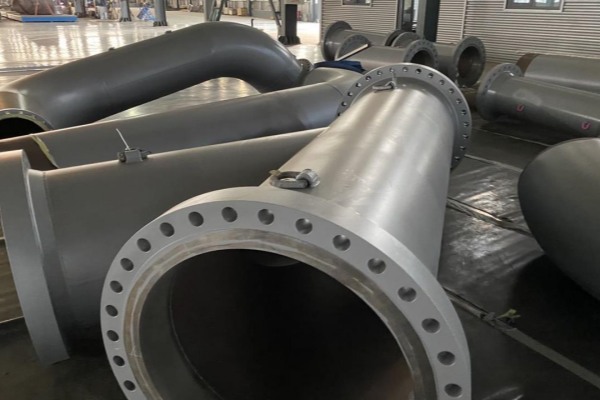
What Is a Piping Spool Manufacturer?
A piping spool manufacturer specializes in the fabrication of prefabricated piping assemblies, typically consisting of pipe sections, fittings, flanges, valves, and other specified components.
Instead of performing all fabrication work at the construction site, piping spools can be manufactured and inspected in a controlled workshop environment before being transported to the project site.
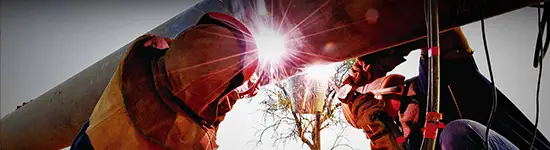
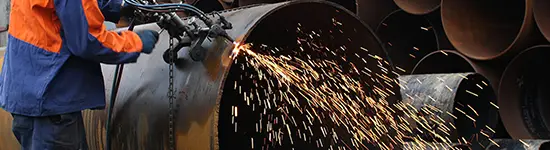
Typical fabrication processes include:
Pipe cutting and beveling
Fit-up and alignment
Welding
Flange and fitting installation
Dimensional inspection
Nondestructive testing (NDT)
Pressure testing when required
Surface treatment and coating
Marking and packing
This approach can reduce field welding and help improve installation efficiency.
1. Evaluate Manufacturing Experience and Expertise
Experience is one of the first factors to consider when selecting a piping spool manufacturer.
A manufacturer with extensive fabrication experience is generally better prepared to handle different pipe sizes, materials, joint configurations, and project-specific requirements.
When evaluating a manufacturer, consider:
Years of experience in pipe spool fabrication
Previous industrial projects
Experience with carbon steel, stainless steel, and alloy steel
Large-diameter and heavy-wall fabrication capabilities
Experience with complex spool configurations
Qualified welding personnel
Engineering and fabrication capabilities
For demanding projects, ask the manufacturer to provide relevant project references and examples of previous spool fabrication work.
2. Check Quality Assurance and Quality Control
Quality assurance is essential because piping spools must meet dimensional, welding, material, and inspection requirements before installation.
A reliable manufacturer should have a documented Quality Management System (QMS) and clearly defined inspection procedures.
Important QC activities may include:
Raw material inspection
Material identification and traceability
Dimensional inspection
Welding procedure control
Welder qualification
Visual inspection
Nondestructive testing
Pressure testing when specified
Final inspection
Inspection documentation
For welded piping spools, welding quality is particularly important. Buyers should verify whether the manufacturer has qualified WPS/PQR and welding personnel appropriate for the project requirements.
3. Look for Custom Piping Spool Capabilities
Not every piping system uses standardized spool dimensions. Many industrial projects require spools fabricated according to detailed isometric drawings, specifications, and site conditions.
A capable manufacturer should be able to provide custom piping spool solutions based on project requirements.
Customization may include:
Pipe diameter and wall thickness
Overall spool dimensions
Flange types and ratings
Fitting configurations
Material grades
Welding requirements
Connection types
Surface treatment
Coating requirements
Identification and marking
The manufacturer should also be capable of maintaining dimensional accuracy so that prefabricated spools can be properly aligned during site installation.
4. Verify Compliance with Standards and Codes
International piping projects often require compliance with specific material standards, fabrication codes, and inspection requirements.
Depending on the application, relevant standards and codes may include:
ASME
ASTM
API
AWS
ISO
Project-specific specifications and applicable local regulations
The exact standards depend on the piping system, materials, service conditions, and project requirements.
When selecting a manufacturer, ask for documentation demonstrating compliance with the standards specified in the project documents.
5. Review Material Traceability
Material traceability is particularly important for industrial piping systems.
A reliable pipe spool manufacturer should be able to trace materials from incoming inspection through fabrication and final delivery.
Typical traceability information may include:
Material grade
Heat number
Pipe and fitting identification
Material certificates
Welding records
NDT reports
Inspection records
Final spool identification
Good traceability helps ensure that the materials used in each spool correspond to the approved project requirements.
6. Consider Fabrication Capacity and Delivery
A manufacturer may have good technical capabilities but still be unsuitable if it cannot meet the required production volume or delivery schedule.
Before placing an order, evaluate:
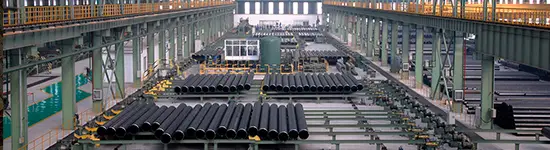
Workshop production capacity
Available fabrication equipment
Pipe size range
Maximum spool dimensions
Workforce and qualified welders
Production lead time
Inspection capacity
Packaging and transportation arrangements
For large projects, production capacity should be evaluated against the required spool quantity and project schedule, rather than based solely on the manufacturer's stated annual capacity.
7. Evaluate Inspection and Documentation
Proper documentation is an important part of piping spool fabrication.
Depending on project requirements, the manufacturer may need to provide:
Material Test Certificates (MTCs)
Welding documentation
Dimensional inspection reports
NDT reports
Hydrostatic test reports
Coating inspection reports
Final inspection records
Packing lists
Certificates of conformity
Before production begins, confirm the required Inspection and Test Plan (ITP) and documentation package with the manufacturer.
8. Compare More Than the Price
Price is an important purchasing factor, but the lowest quotation is not necessarily the most cost-effective choice.
A lower initial price may result in additional costs if the manufacturer has problems with:
Dimensional accuracy
Welding quality
Material traceability
Rework
Delivery delays
Documentation
Site installation
A better approach is to evaluate the manufacturer's total project value, including fabrication quality, inspection, delivery reliability, and technical support.
Piping Spool Manufacturer Selection Checklist
Before choosing a manufacturer, buyers can use the following checklist:
|
Evaluation Factor
|
What to Check
|
|
Experience
|
Previous pipe spool fabrication projects and technical expertise
|
|
Quality Control
|
QMS, inspection procedures, welding control, and NDT
|
|
Customization
|
Ability to fabricate according to drawings and project specifications
|
|
Standards
|
Compliance with applicable ASME, ASTM, API, ISO, or project requirements
|
|
Traceability
|
Material certificates, heat numbers, and fabrication records
|
|
Capacity
|
Pipe size range, production capacity, equipment, and workforce
|
|
Delivery
|
Lead time, packaging, logistics, and schedule control
|
|
Documentation
|
MTCs, inspection reports, NDT records, and final documentation
|
Questions to Ask a Piping Spool Manufacturer
Before placing an order, buyers should consider asking:
What pipe sizes and materials can you fabricate?
Can you manufacture spools according to our isometric drawings?
What welding qualifications and procedures do you use?
What NDT methods are available?
How do you maintain material traceability?
What inspection documents will be included with the shipment?
What is your production lead time?
Can you meet our applicable codes and project specifications?
The answers can help buyers distinguish between a general pipe fabricator and a manufacturer capable of handling demanding industrial piping projects.
FAQ
1. What should I look for in a piping spool manufacturer?
Focus on fabrication experience, quality control, customization, standards compliance, traceability, capacity, and delivery reliability.
2. Can piping spools be customized?
Yes. Piping spools can be fabricated according to isometric drawings, dimensions, materials, fittings, flanges, welding, and project specifications.
3. Why is material traceability important?
Material traceability confirms that the pipes and components used in each spool match the approved project requirements.


 English
 Español
 Français
 بالعربية