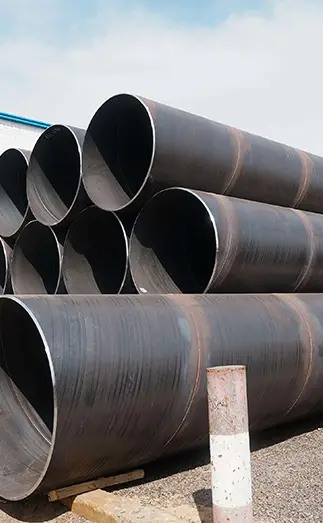
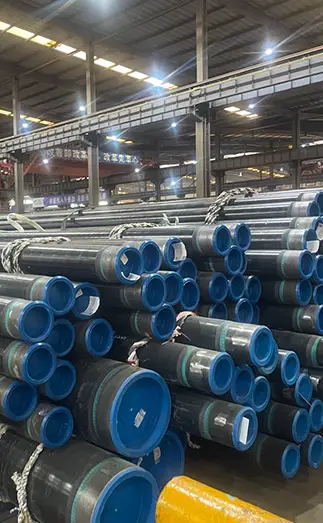
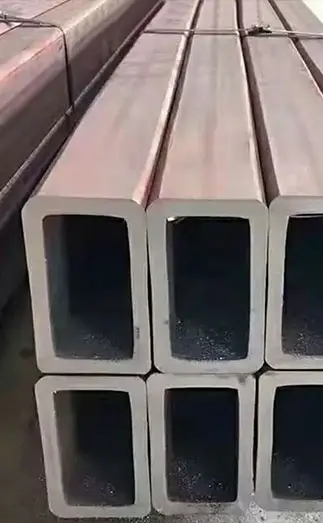
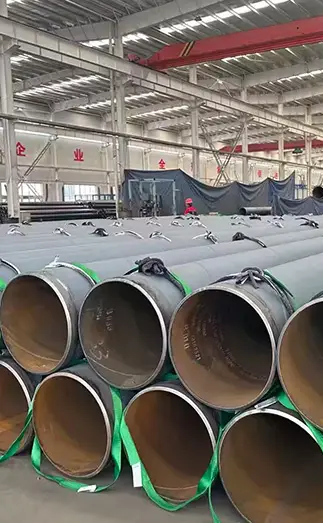
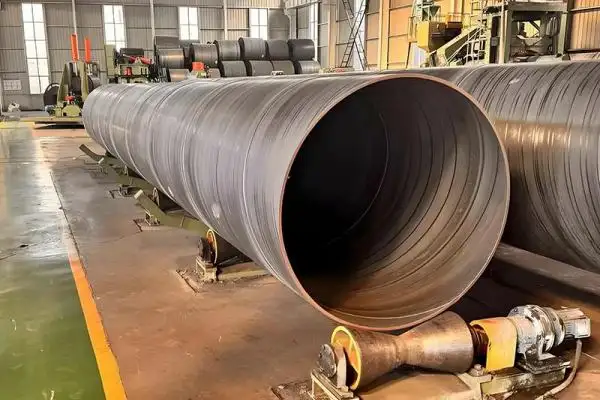
Pipe spools are prefabricated sections of piping used to simplify installation and improve efficiency in industrial piping systems. Pipe spool sizes commonly range from 1/2 inch to 48 inches in diameter, while the appropriate pipe spool material is selected according to operating temperature, pressure, fluid characteristics, corrosion conditions, and project requirements.
Understanding pipe spool sizes and material selection is essential for designing reliable piping systems in industries such as oil and gas, petrochemical processing, chemical processing, power generation, water treatment, and food processing.
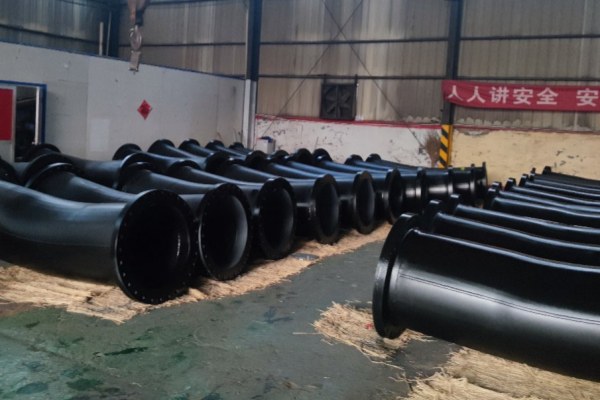
Pipe Spool Sizes
Pipe spool sizes vary according to the piping system, flow requirements, pressure class, and installation conditions. Common pipe spool diameters range from 1/2 inch to 48 inches, although larger or smaller sizes can be manufactured for specific projects.
The pipe diameter is generally specified using Nominal Pipe Size (NPS) or another applicable dimensional standard. The actual outside diameter, wall thickness, and overall spool dimensions depend on the selected pipe size and applicable standard.
Common Pipe Spool Size Range
|
Pipe Spool Diameter
|
Typical Applications
|
|
1/2"–2"
|
Instrumentation, utility lines, small process piping
|
|
2"–6"
|
Process piping, water, chemical and utility systems
|
|
8"–16"
|
Oil & gas, petrochemical and industrial process lines
|
|
18"–24"
|
Large-volume process and water transportation
|
|
26"–48"
|
Large-diameter pipelines, water systems and industrial services
|
Important: Pipe diameter alone does not determine the suitability of a spool. Wall thickness, pressure rating, temperature, connection type, and material grade must also be considered.
How to Select the Right Pipe Spool Material?
Pipe spool material should be selected based on the actual operating environment. The most important factors include:
Operating temperature
Operating and design pressure
Fluid or medium being transported
Corrosion resistance requirements
Mechanical strength
Weldability and fabrication requirements
Project codes and material specifications
Cost and service life
Different materials provide different combinations of strength, corrosion resistance, temperature resistance, weight, and cost.
Common Pipe Spool Materials
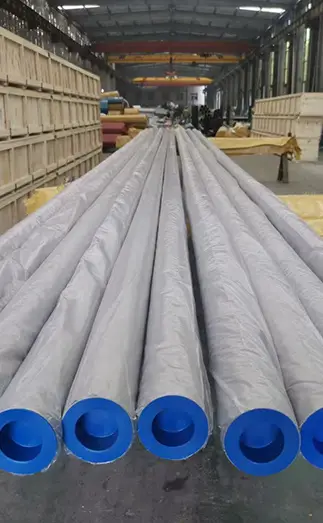
1. Stainless Steel Pipe Spools
Stainless steel pipe spools are widely used where corrosion resistance, cleanliness, and long-term durability are important.
Common grades include 304/304L and 316/316L stainless steel.
Advantages:
Excellent corrosion resistance
Good mechanical properties
Suitable for many chemical environments
Good cleanliness and surface characteristics
Suitable for food and pharmaceutical applications
Typical applications:
Chemical processing
Food and beverage processing
Pharmaceutical facilities
Water treatment
Petrochemical systems
For environments containing chlorides or aggressive chemicals, the appropriate stainless steel grade should be selected based on the actual corrosion conditions.
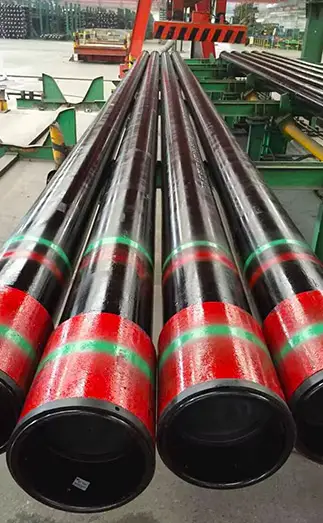
2. Carbon Steel Pipe Spools
Carbon steel is one of the most widely used materials for pipe spool fabrication because of its strength, availability, and relatively low cost.
Carbon steel pipe spools are suitable for many applications involving water, oil, gas, steam, and other industrial fluids.
Advantages:
High strength
Cost-effective
Good machinability and weldability
Widely available
Suitable for high-pressure piping when properly specified
Typical applications include:
Oil and gas pipelines
Industrial process piping
Power plants
Water systems
Petrochemical facilities
Because carbon steel is susceptible to corrosion, surface protection such as painting or suitable coating systems may be required depending on the service environment.
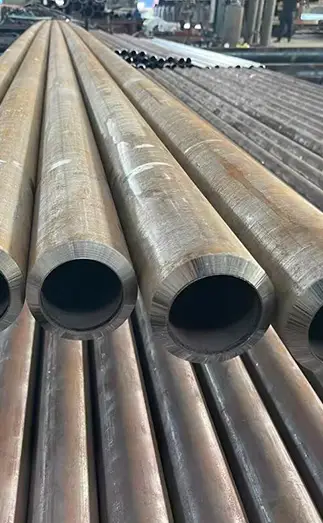
3. Alloy Steel Pipe Spools
Alloy steel pipe spools are commonly selected for demanding high-temperature and high-pressure applications.
The addition of alloying elements such as chromium and molybdenum can improve high-temperature strength, oxidation resistance, and other performance characteristics.
Typical applications include:
Power generation
Steam piping
Refineries
Petrochemical plants
High-temperature process systems
For example, Cr-Mo alloy steel grades are commonly used in high-temperature piping where conventional carbon steel may not provide sufficient performance.
4. PVC and HDPE Pipe Spools
PVC and HDPE pipe spools are lightweight, corrosion-resistant alternatives for selected low- to moderate-temperature applications.
They are particularly common in:
Water treatment
Wastewater systems
Chemical drainage
Municipal water systems
Corrosive fluid services
Compared with metallic pipe spools, plastic piping can provide excellent resistance to many corrosive chemicals and significantly reduce handling weight. However, temperature, pressure, UV exposure, joining method, and chemical compatibility must be evaluated before selection.
Pipe Spool Size vs. Material Selection
Size and material are separate but closely related design considerations.
For example, a large-diameter pipe spool may be suitable for transporting a high volume of water, while a smaller-diameter spool may be used for instrumentation or utility services. At the same time, the material must be compatible with the transported fluid and operating conditions.
|
Material
|
Main Advantage
|
Typical Applications
|
|
Stainless Steel
|
Corrosion resistance
|
Chemical, food, pharmaceutical
|
|
Carbon Steel
|
Strength and cost-effectiveness
|
Oil & gas, industrial piping
|
|
Alloy Steel
|
High-temperature strength
|
Power, refinery, petrochemical
|
|
PVC
|
Lightweight and corrosion resistance
|
Water, drainage, chemical service
|
|
HDPE
|
Corrosion resistance and flexibility
|
Water and wastewater
|
Key Factors When Selecting Pipe Spools
Selecting a pipe spool requires more than simply choosing a diameter and material. Engineers and fabricators should consider the complete service environment.
Pressure and Temperature
The pipe and spool components must withstand the design pressure and operating temperature. Higher-pressure or higher-temperature services may require greater wall thickness or specialized alloy materials.
Fluid Characteristics
The chemical composition, corrosiveness, temperature, and concentration of the transported fluid can significantly affect material selection.
Pipe Diameter and Wall Thickness
Pipe spool dimensions should match the required flow capacity and mechanical design. Pipe diameter and wall thickness are normally determined according to applicable piping codes and project specifications.
Fabrication and Welding
The selected material must be compatible with the required fabrication process. For metallic pipe spools, welding procedures, filler materials, preheating, post-weld heat treatment, and inspection requirements may vary according to the material and applicable code.
Installation and Transportation
Large pipe spools require appropriate lifting, handling, transportation, and site-access planning. In some projects, spool dimensions may be limited by transportation routes or available lifting equipment.
Pipe Spool Fabrication and Quality Control
Regardless of size or material, quality control is critical during pipe spool fabrication.
A typical fabrication and inspection process may include:
Material receiving → Material identification → Cutting → Fit-up → Welding → Dimensional inspection → NDT → Surface treatment → Marking → Final inspection → Packing and delivery
Depending on the project specification, quality control may include:
Material certificate verification
Heat number and material traceability
Dimensional inspection
Visual inspection
Weld inspection
Ultrasonic testing (UT)
Radiographic testing (RT)
Pressure or hydrostatic testing where required
Surface preparation and coating inspection
These controls help ensure that the finished pipe spool meets the required engineering specifications and applicable standards.
How to Choose the Right Pipe Spool?
For most projects, the selection process can be simplified into five steps:
Determine the required pipe diameter based on flow and system design.
Determine wall thickness and pressure class based on design conditions.
Evaluate the fluid and corrosion environment to select a suitable material.
Check temperature, welding, fabrication, and installation requirements.
Confirm applicable standards, codes, inspection, and testing requirements.
The final specification should be based on the complete project design rather than diameter or material cost alone.
FAQ
1. What sizes are pipe spools available in?
Pipe spools commonly range from 1/2 inch to 48 inches in diameter, with custom sizes available for specific project requirements.
2. What materials are commonly used for pipe spools?
Common materials include stainless steel, carbon steel, alloy steel, PVC, and HDPE. Material selection depends on pressure, temperature, fluid characteristics, and corrosion conditions.
3. How do I choose the right pipe spool material?
Consider operating pressure, temperature, fluid type, corrosion resistance, mechanical requirements, fabrication method, and applicable standards before selecting the material.


 English
 Español
 Français
 بالعربية