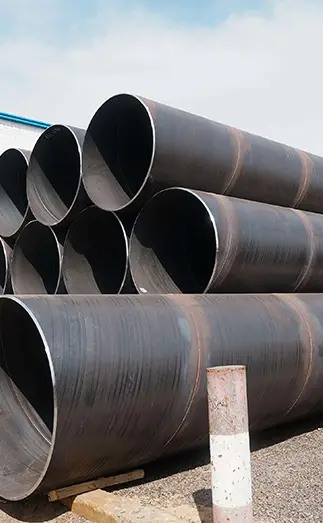
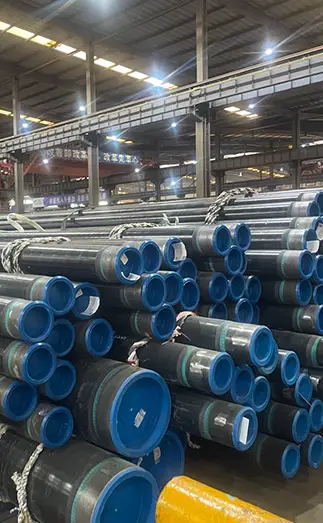
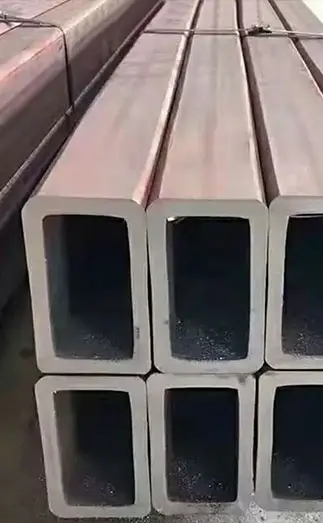
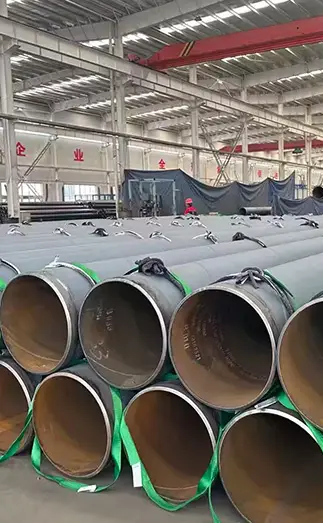
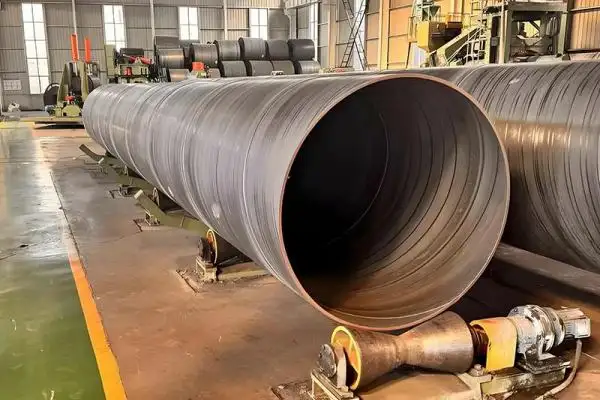
A pipe spool is a pre-assembled section of piping that typically includes straight pipe, fittings, flanges, valves, and other components. Pipe spools are fabricated according to engineering drawings and then connected during installation to form a complete piping system.
Depending on where they are manufactured and how they are installed, the main types of pipe spools include prefabricated pipe spools, field fabricated spools, and modular piping spools. Each type offers different advantages in terms of fabrication, transportation, installation, cost, and project flexibility.
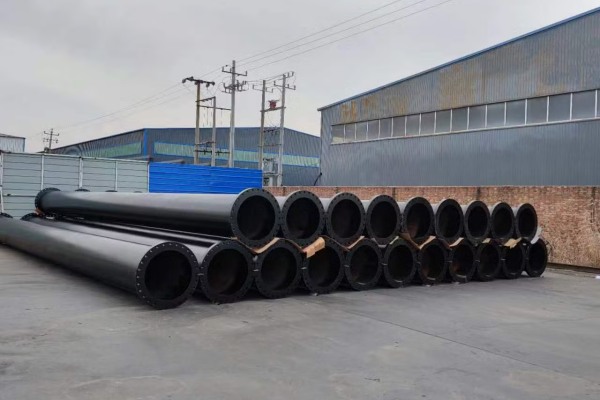
What Is a Pipe Spool?
A pipe spool is a fabricated piping assembly designed to simplify installation at a construction site. Instead of manufacturing every pipe section individually during field installation, contractors can fabricate complete spool assemblies in advance.
A typical pipe spool may contain:
Straight pipe sections
Elbows, tees, reducers, and other fittings
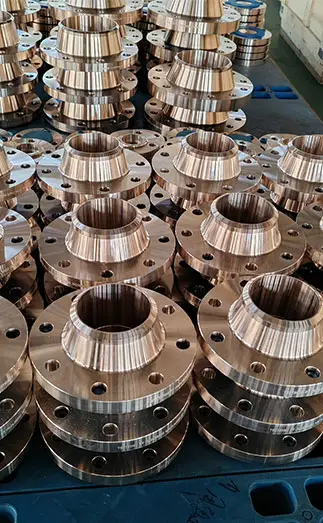
Flanges
Valves
Branch connections
Supports or attachments
Welded or mechanical joints
Pipe spools are widely used in oil and gas, petrochemical, power generation, chemical processing, water treatment, shipbuilding, and industrial construction.
The primary purpose of pipe spooling is to move as much fabrication work as practical from the construction site to a controlled fabrication environment, helping improve installation efficiency and quality.
1. Prefabricated Pipe Spools
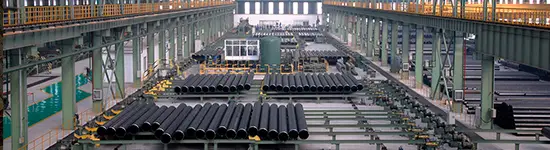
Prefabricated pipe spools are manufactured and assembled at an off-site or dedicated fabrication facility before being transported to the construction site.
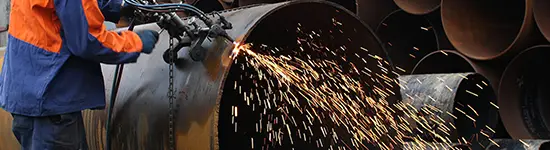
The fabrication process generally includes pipe cutting, beveling, fitting, welding, inspection, testing, surface treatment, and marking before shipment.
Advantages of Prefabricated Pipe Spools
Higher fabrication efficiency: Controlled workshop conditions allow repetitive work to be completed efficiently.
Better quality control: Welding, dimensional inspection, and nondestructive testing can be performed in a dedicated facility.
Reduced field work: More fabrication is completed before the components arrive at the construction site.
Shorter installation time: Completed spools can be positioned and connected directly during construction.
Improved safety: Less hot work and fabrication activity is required in the field.
Typical Applications
Prefabricated spools are commonly used for large industrial projects where piping layouts are well defined, including:
Oil and gas plants
Refineries
Petrochemical facilities
Power plants
Chemical processing plants
Large water treatment systems
The main limitation is transportation. Very large or complex spools may require special handling, lifting equipment, and transportation planning.
2. Field Fabricated Pipe Spools
Field fabricated pipe spools are assembled at or near the construction site rather than being completely manufactured at an off-site fabrication shop.
This approach is useful when the final dimensions cannot be confirmed until equipment, structures, or adjacent piping have been installed.
When Are Field-Fabricated Spools Used?
Field fabrication may be preferred when:
Site dimensions are difficult to predict
Piping routes must be adjusted during construction
Large spools are difficult to transport
Project changes occur after fabrication
The piping system requires extensive field modifications
Advantages and Limitations
The major advantage is flexibility. Fabricators can measure actual site conditions and modify the spool accordingly.
However, field fabrication can require more labor and equipment on site. Weather conditions, limited workspace, safety requirements, and field welding conditions may also make quality control more challenging than shop fabrication.
For this reason, field fabrication is often used selectively rather than for every piping section.
3. Modular Piping Spools
Modular piping spools are designed as standardized or self-contained assemblies that can be installed, connected, removed, or replaced efficiently.
Unlike conventional pipe sections, modular piping systems are often designed around repeatable units and simplified installation.
Key Benefits
Fast installation
Easy replacement
Standardized fabrication
Reduced field assembly
Simplified maintenance
Better project scalability
Modular piping spools can be particularly useful in facilities where equipment layouts are repetitive or where future maintenance and replacement are important considerations.
Typical applications include industrial process systems, utility piping, packaged equipment, and skid-mounted systems.
4. Prefabricated vs Field-Fabricated vs Modular Pipe Spools
|
Type
|
Fabrication Location
|
Main Advantage
|
Typical Use
|
|
Prefabricated Pipe Spool
|
Off-site fabrication shop
|
High efficiency and quality control
|
Large industrial projects
|
|
Field Fabricated Spool
|
Construction site
|
High flexibility
|
Complex or changing site conditions
|
|
Modular Piping Spool
|
Shop or controlled facility
|
Fast installation and replacement
|
Repetitive or packaged systems
|
The best option depends on project size, piping complexity, transportation limitations, installation conditions, schedule, and quality requirements.
5. How to Choose the Right Type of Pipe Spool?
When selecting a pipe spool fabrication method, engineers and contractors should consider:
Project Schedule
Prefabrication can reduce field installation time and help accelerate construction.
Transportation
Large prefabricated spools may require special trucks, cranes, or lifting plans.
Site Conditions
Limited space or difficult working conditions may favor off-site fabrication.
Piping Complexity
Highly complex piping assemblies can benefit from controlled workshop fabrication and detailed inspection.
Project Flexibility
Projects with uncertain dimensions or frequent design changes may require more field fabrication.
Quality Requirements
Critical piping systems may benefit from controlled fabrication, welding procedures, dimensional inspection, and nondestructive testing in a dedicated facility.
6. Pipe Spool Fabrication and Quality Control
Regardless of spool type, proper fabrication and inspection are essential for piping system reliability.
Typical quality-control activities may include:
Material identification and traceability
Dimensional inspection
Pipe cutting and bevel inspection
Welding procedure qualification
Welder qualification
Visual inspection
Nondestructive testing (NDT)
Hydrostatic or pressure testing when required
Surface preparation and coating inspection
The specific inspection requirements depend on the pipe material, service conditions, project specifications, and applicable standards.
FAQ
1. What are the main types of pipe spools?
The three common types are prefabricated pipe spools, field fabricated pipe spools, and modular piping spools.
2. What is a prefabricated pipe spool?
A prefabricated pipe spool is a piping assembly manufactured in a workshop or off-site facility and transported to the construction site for installation.
3. When is field fabrication better than prefabrication?
Field fabrication is useful when site dimensions are uncertain, piping routes may change, or large assemblies are difficult to transport.
4. What is a modular piping spool?
A modular piping spool is a standardized or self-contained piping assembly designed for efficient installation, removal, replacement, or maintenance.
5. Why are pipe spools used?
Pipe spools reduce field fabrication work, improve installation efficiency, support quality control, and can shorten the overall construction schedule.


 English
 Español
 Français
 بالعربية