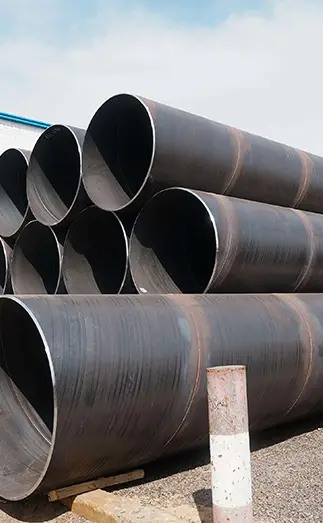
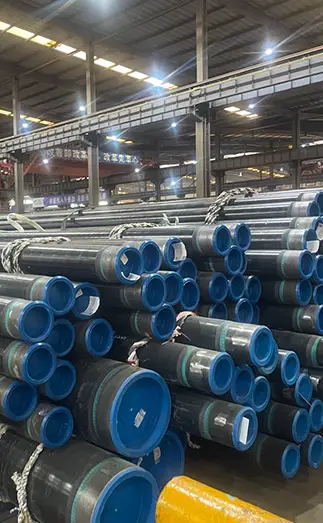
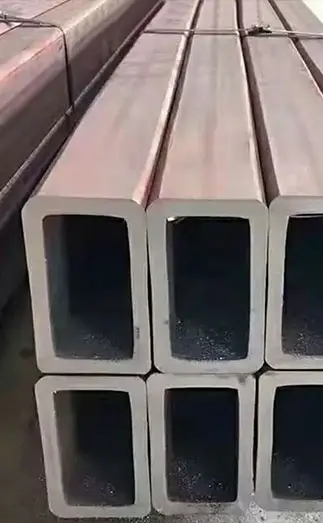
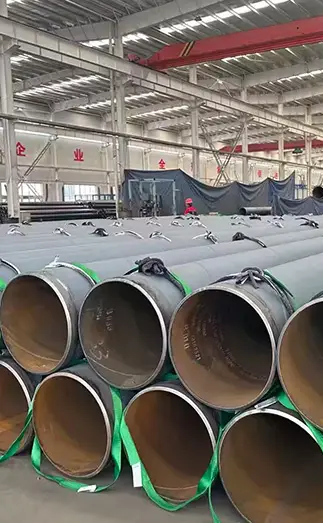
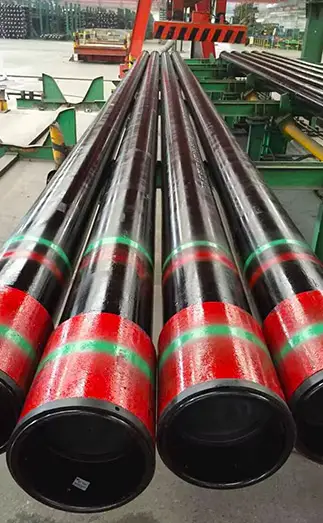
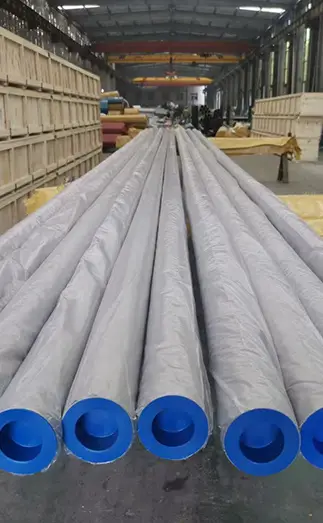
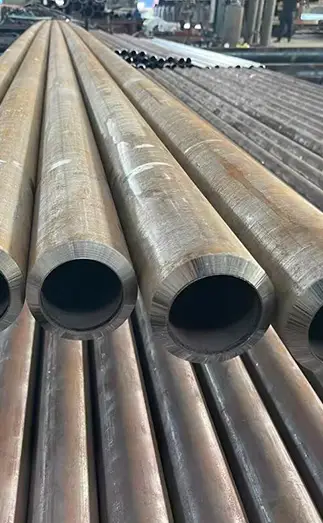
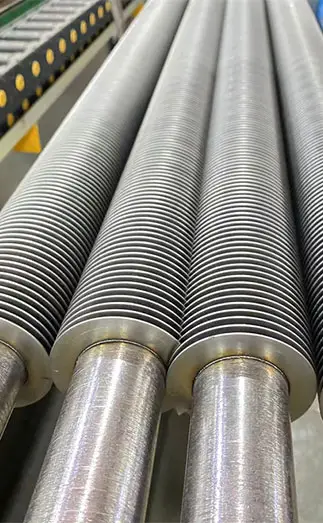
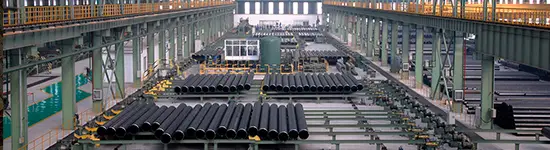
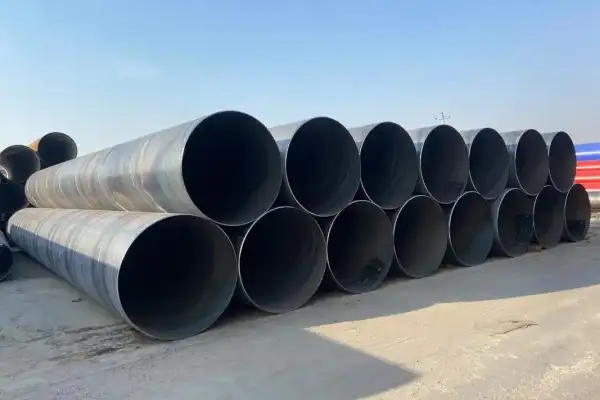
In critical industries such as power generation and petrochemicals, rows of steel pipes operate under extreme conditions—temperatures reaching 600°C and pressures exceeding 30 MPa. These are not ordinary pipes, but high-pressure boiler tubes, serving as the backbone of industrial energy systems.
For many years, this sector was dominated by international suppliers. However, Chinese manufacturing has rapidly transformed from a technology follower into a global competitor through continuous innovation and large-scale industrial upgrading.
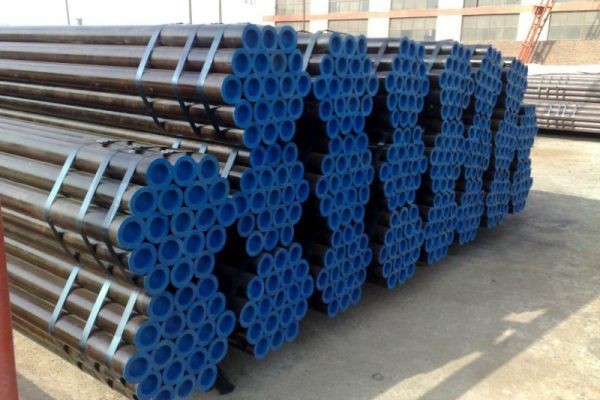
Technological Breakthrough: From Following to Leading
A major milestone in this transformation is the development of P92 high-pressure boiler tubes, representing a significant advancement in ultra-supercritical power plant materials.
As an upgraded version of P91 steel, P92 is a ferritic heat-resistant alloy optimized through tungsten-molybdenum ratio adjustment. This material delivers substantial performance improvements:
High-temperature strength increased by approximately 40%
Excellent creep resistance meeting international advanced standards
Stable operation under conditions up to 630°C
Leading Chinese manufacturers have successfully achieved mass production and full-process quality control, enabling P92 tubes to be widely used in megawatt-class ultra-supercritical units. Service life has exceeded 100,000 hours, significantly enhancing system reliability.
As a result, China’s reliance on imported high-pressure boiler tubes has dropped dramatically—from 75% in 2010 to less than 15% today.
Lessons from Industrial Applications
Real-world engineering cases highlight the importance of correct material selection. In one chemical plant project, standard Q235 square tubes were used instead of high-pressure boiler tubes to reduce costs. Within just 10 months, a pipe rupture occurred, causing direct losses exceeding 20 million RMB.
Failure analysis revealed several critical issues:
Insufficient corrosion resistance, with wall thinning rates up to 0.5 mm/year
Thermal cycling stress leading to microcrack formation
Susceptibility to intergranular corrosion at welded joints
To address these challenges, upgraded materials such as Q355 pickled square and rectangular tubes have been introduced. Through improved surface treatment and optimized heat treatment processes:
Corrosion rates are reduced to below 0.3 mm/year
Structural stability under thermal shock is significantly enhanced
Product qualification rates reach over 99%
In practice, these improvements extend maintenance cycles from 6 months to 24 months, reducing overall operational costs by approximately 35%.
How to Select High-Pressure Boiler Tubes
Selecting the right high-pressure boiler tube requires a systematic evaluation rather than price-based decisions alone.
Key selection criteria include:
Compliance with standards:
Ensure the product meets GB/T 5310, the baseline requirement for quality
Material matching:
Select materials based on operating conditions
20G steel for low-pressure systems
Advanced alloys such as P92 for ultra-supercritical units
Supplier capability:
Evaluate manufacturing experience, technical support, and project references
Third-party certification:
Verify testing reports, focusing on high-temperature strength and impact toughness
Future Development Trends of High-Pressure Boiler Tubes
China’s high-pressure boiler tube industry has achieved a remarkable transition from dependency to innovation leadership within a decade. Looking ahead, emerging technologies such as fourth-generation nuclear power and next-generation ultra-supercritical systems will demand even higher material performance.
Future operating environments may reach 650°C to 700°C, pushing the limits of current materials. In response, domestic research institutions are actively developing:
Nickel-based alloy tubes
Nano-reinforced materials
Advanced composite coatings
More than 200 patents have already been filed in these forward-looking fields, indicating strong momentum for continued technological advancement.
Conclusion
High-pressure boiler tubes are critical components in modern industrial systems, where safety and performance are non-negotiable. China’s rapid progress in this field demonstrates how technological innovation, material science, and manufacturing capability can reshape global industry dynamics. As operating conditions become more demanding, continued advancements in materials and standards will define the next stage of competition.
FAQ
What are high-pressure boiler tubes used for?
They are used in power plants and industrial systems to transport high-temperature and high-pressure fluids.
What is the difference between P91 and P92 boiler tubes?
P92 offers higher strength and better creep resistance than P91, making it suitable for more demanding conditions.
Why are high-pressure boiler tubes critical in power plants?
They ensure safe operation under extreme temperature and pressure conditions.
What standard applies to high-pressure boiler tubes in China?
GB/T 5310 is the primary standard for high-pressure boiler tubes.
How long is the service life of high-pressure boiler tubes?
High-quality tubes can exceed 100,000 hours under proper operating conditions.


 English
 Español
 Français
 بالعربية