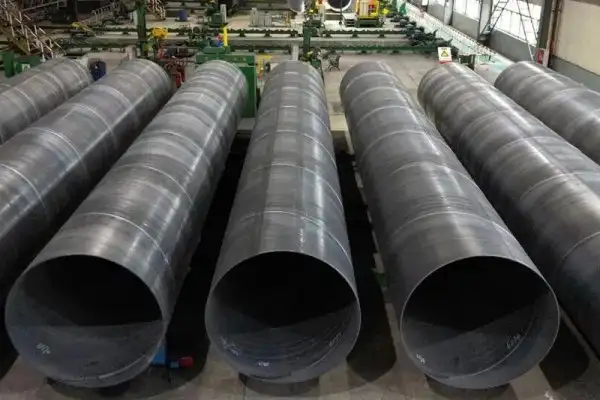
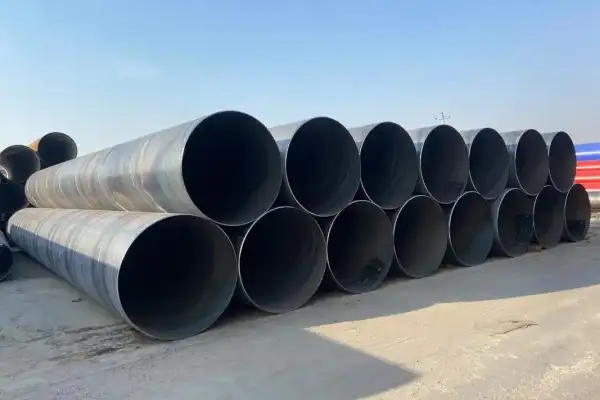
Stainless steel angle steel maintenance focuses on proper cleaning, avoiding chloride exposure, regular inspection, and moisture control. Even 316 stainless steel requires routine care to prevent corrosion and maintain long-term performance.
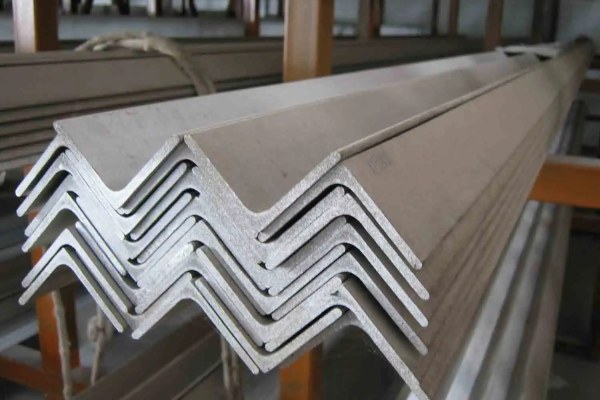
Why Stainless Steel Still Needs Maintenance
Stainless steel angle steel is widely used due to its corrosion resistance, strength, and clean appearance. However, this does not mean it is completely immune to rust. In real-world environments, especially where moisture, pollutants, or chloride ions are present, even 316 grade stainless steel can develop pitting corrosion or surface damage. Proper maintenance is therefore essential to preserve both its structural integrity and surface condition.
How to Maintain Stainless Steel Angle Steel
1. Proper Cleaning
Use neutral or mild cleaners only
Avoid acidic or alkaline chemicals
Clean with a soft cloth or sponge
Rinse with clean water and dry thoroughly
Prevents surface damage and maintains finish quality
2. Avoid Chemical Exposure
Keep away from chloride-containing substances
Avoid contact with industrial chemicals
Rinse immediately if contamination occurs
Chlorides are the primary cause of stainless steel corrosion
3. Regular Maintenance
Use stainless steel protective agents
Apply coatings to form a protective film
Inspect regularly for corrosion or damage
Reduces long-term maintenance cost and failure risk
4. Prevent Mechanical Damage
Avoid impact, friction, and heavy loads
Protect during transportation and installation
Prevents scratches, deformation, and coating damage
Recommended Maintenance Schedule for 316 Stainless Steel Angle
|
Item
|
Frequency
|
Key Action
|
|
Surface cleaning
|
Monthly
|
Use soft cloth + neutral cleaner
|
|
Inspection
|
Quarterly
|
Check welds, joints, water accumulation
|
|
Anti-corrosion treatment
|
As needed
|
Repair damage, apply coating
|
|
Professional maintenance
|
Annually
|
Passivation or polishing
|
|
Storage inspection
|
Periodic
|
Ensure dry and moisture-proof
|
How to Prevent Stainless Steel Angle Steel from Rusting
1. Surface Protection
Apply anti-rust coatings (paint or protective film)
Use galvanization when required
Zinc layer provides sacrificial protection
2. Regular Cleaning
Remove dust, oil, and pollutants
Increase cleaning frequency in industrial environments
Contaminants accelerate corrosion
3. Moisture Control
Store in dry, ventilated environments
Avoid rain exposure during outdoor storage
Use moisture-proof measures if necessary
Humidity is a key factor in corrosion initiation
Key Takeaways
316 stainless steel is corrosion-resistant but not maintenance-free
Chloride exposure is the main corrosion risk
Regular cleaning + inspection = longer service life
Dry storage and surface protection are critical
FAQ
Q1: Does 316 stainless steel rust?
Yes, it can rust under chloride exposure or poor maintenance.
Q2: How often should stainless steel angle be cleaned?
At least once per month, or more in harsh environments.
Q3: What causes stainless steel corrosion?
Mainly chloride ions, moisture, and surface contamination.
Q4: How to prevent rust on stainless angle steel?
Keep it clean, dry, and protected with coatings if needed.
Q5: Is coating necessary for stainless steel?
Optional, but recommended in harsh or marine environments.


 English
 Español
 Français
 بالعربية