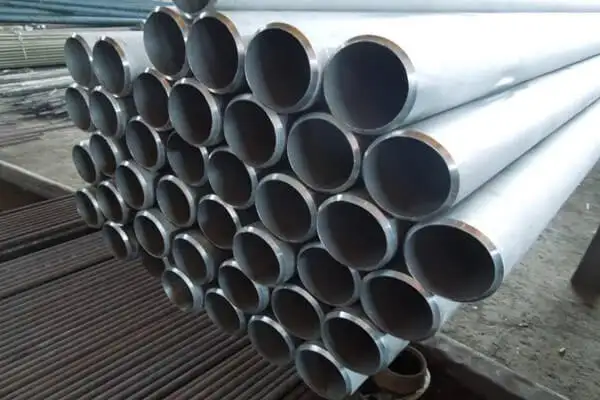
What Are Hastelloy Pipes?
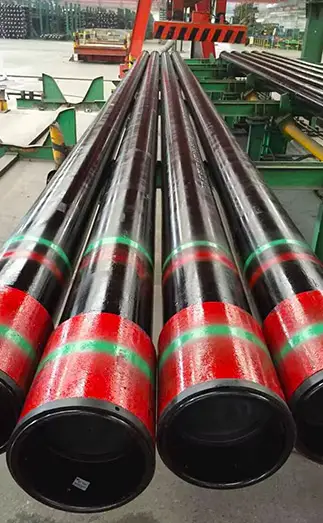
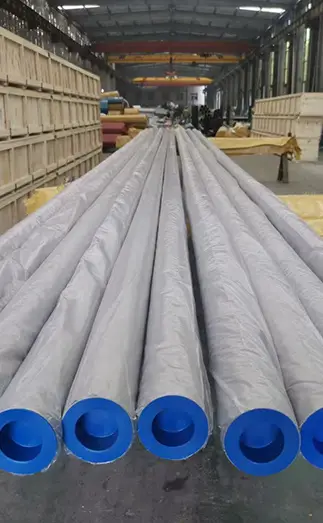
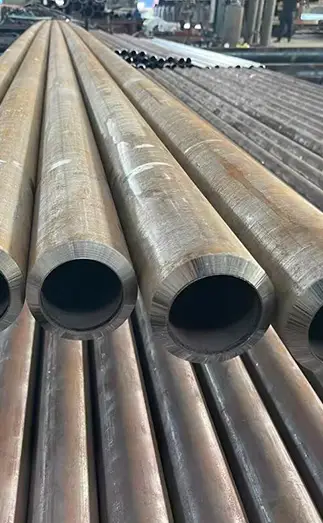
Hastelloy pipes are corrosion-resistant alloy pipes designed for demanding chemical and high-temperature environments. Hastelloy alloys are known for their ability to withstand aggressive media, including strong acids, chlorides, and other corrosive chemicals.
In addition to corrosion resistance, Hastelloy pipes offer high-temperature strength, good weldability, and a wide range of alloy grades for different service conditions. These characteristics make them suitable for applications where conventional materials may not provide sufficient corrosion protection or temperature performance.
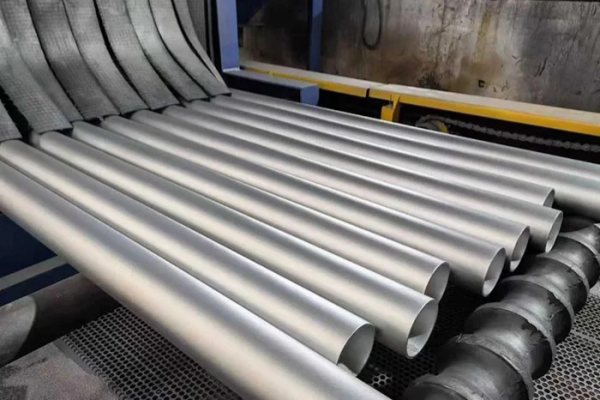
Key Features of Hastelloy Pipes
1. Exceptional Corrosion Resistance
One of the most important characteristics of Hastelloy pipes is their excellent corrosion resistance.
Hastelloy alloys can perform in a variety of aggressive environments, including those containing:
Strong acids
Chlorides
Aggressive chemicals
Highly corrosive process media
This corrosion resistance makes Hastelloy pipes particularly useful in chemical processing and other industrial systems where pipe surfaces are exposed to demanding chemical conditions.
2. High-Temperature Strength
Hastelloy pipes maintain their strength and structural integrity at elevated temperatures.
This characteristic allows them to be considered for industrial applications involving high-temperature service. When both temperature and corrosion are concerns, Hastelloy alloys can provide a material option designed for these demanding conditions.
The appropriate Hastelloy grade should still be selected according to the actual operating environment and project requirements.
3. Resistance to Pitting and Crevice Corrosion
Hastelloy alloys are also recognized for their resistance to localized corrosion, particularly pitting and crevice corrosion.
These forms of corrosion can occur in aggressive chemical environments and may be difficult to manage once localized damage begins. Hastelloy's resistance to these corrosion mechanisms makes the alloy suitable for applications where localized corrosion is a significant material-selection concern.
4. Wide Range of Hastelloy Pipe Grades
Hastelloy is not a single alloy. It includes a range of grades developed for different application requirements.
Commonly used grades include:
|
Hastelloy Grade
|
Typical Selection Consideration
|
|
Hastelloy C276
|
Corrosion-resistant industrial applications
|
|
Hastelloy C22
|
Aggressive chemical environments
|
|
Hastelloy B2
|
Corrosive service conditions
|
|
Hastelloy X
|
High-temperature applications
|
The specific characteristics and suitability of each grade can vary. Therefore, the grade should be selected based on the chemical environment, operating temperature, mechanical requirements, and applicable project specifications.
5. Versatile Industrial Applications
The combination of corrosion resistance and high-temperature performance gives Hastelloy pipes a broad range of potential applications.
Typical industries include:
Chemical processing
Petrochemical
Power generation
Industrial processing
Other demanding corrosive environments
The final material selection depends on the operating conditions and technical requirements of each application.
6. Good Weldability
Hastelloy alloys are generally weldable, allowing Hastelloy pipes to be incorporated into fabricated piping systems.
However, welding procedures must be properly controlled. Appropriate welding practices are important for maintaining the alloy's corrosion resistance and mechanical properties after fabrication.
For critical applications, welding procedures and fabrication requirements should therefore be reviewed as part of the overall material specification.
How to Select the Right Hastelloy Pipe Grade?
Selecting a Hastelloy pipe should begin with the actual service conditions rather than simply choosing a commonly used grade.
Key factors include:
1. Corrosive medium
Identify the chemicals and corrosive substances that the pipe will contact.
2. Operating temperature
Confirm whether the system operates at elevated temperatures and determine the required temperature performance.
3. Localized corrosion risk
Consider whether pitting or crevice corrosion is a concern in the intended environment.
4. Fabrication requirements
If welding is required, the applicable welding procedure and fabrication requirements should be considered.
5. Industry standards and specifications
The selected Hastelloy pipe should comply with the standards, specifications, and project requirements applicable to the service.
Hastelloy Pipe Applications
Hastelloy pipes are particularly relevant to industrial systems where corrosion resistance and reliable performance under demanding conditions are required.
Chemical Processing
Chemical processing equipment and piping may handle strong acids, chlorides, and other aggressive chemicals. Hastelloy pipes can provide the corrosion resistance required for these environments.
Petrochemical Industry
Petrochemical systems can involve both corrosive media and elevated operating temperatures. Hastelloy alloys offer a material option for applications where these conditions need to be considered simultaneously.
Power Generation
Hastelloy pipes can also be used in selected power-generation applications where corrosion resistance and high-temperature performance are important material-selection factors.
Hastelloy Pipe Selection: Key Points
When specifying Hastelloy pipes, buyers and engineers should evaluate the complete operating environment rather than focusing on corrosion resistance alone.
A practical selection checklist includes:
|
Selection Factor
|
What to Consider
|
|
Corrosion
|
Chemical media and corrosion conditions
|
|
Temperature
|
Operating temperature and required strength
|
|
Grade
|
C276, C22, B2, X, or another suitable grade
|
|
Localized Corrosion
|
Pitting and crevice corrosion risks
|
|
Welding
|
Fabrication and welding requirements
|
|
Standards
|
Applicable industry and project specifications
|
This approach helps ensure that the selected Hastelloy pipe is compatible with the actual service conditions.
FAQ
1. What are Hastelloy pipes used for?
They are used in demanding applications such as chemical processing, petrochemical, and power generation.
2. What is the main advantage of Hastelloy pipes?
Their key advantage is exceptional resistance to aggressive corrosive environments.
3. What are common Hastelloy grades?
Common grades include Hastelloy C276, C22, B2, and X.
4. Are Hastelloy pipes weldable?
Yes. Hastelloy alloys are generally weldable when appropriate welding procedures are followed.
5. How should a Hastelloy grade be selected?
Consider the chemical environment, temperature, corrosion risks, fabrication requirements, and project specifications.


 English
 Español
 Français
 بالعربية