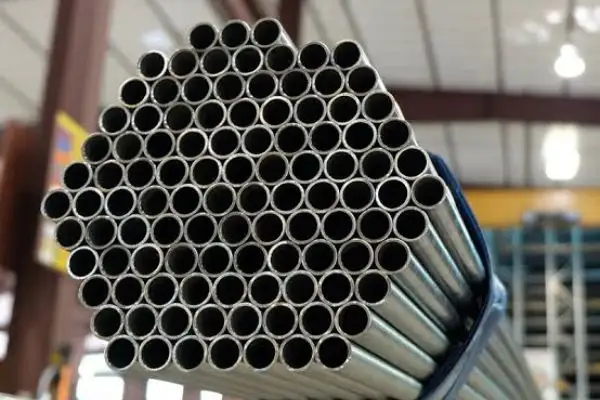
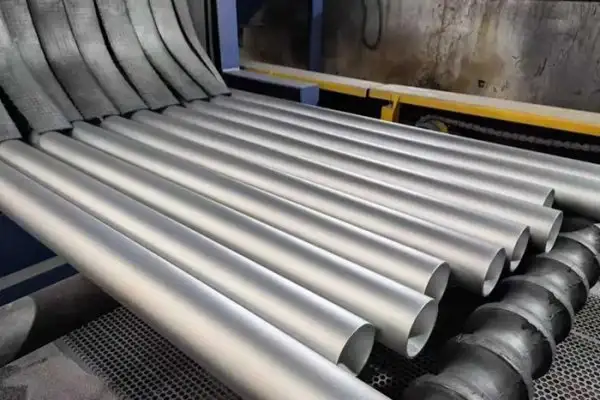
What Hastelloy Grades Are Available for Pipes?
Hastelloy pipes are available in multiple nickel-based alloy grades, each designed for different corrosive environments. The appropriate grade depends mainly on the acid type, operating temperature, and whether the service environment is oxidizing, reducing, or contains mixed corrosive media.
Common Hastelloy pipe grades include Alloy C276, C22, C4, C2000, B2, and B3. Although all are designed for demanding corrosion service, their performance differs depending on the chemical conditions.
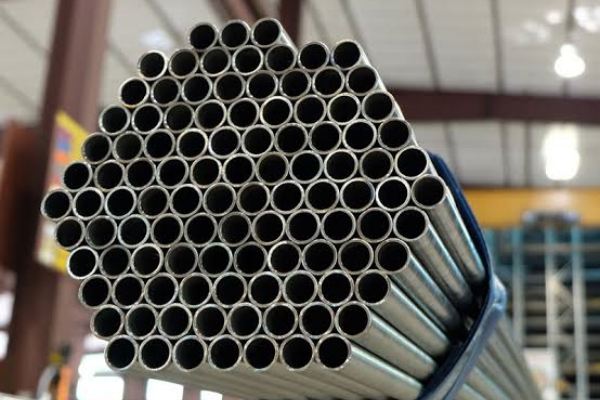
Hastelloy C276 Pipe
Alloy C276 (UNS N10276 / W.Nr. 2.4819) is a versatile nickel-molybdenum-chromium alloy suitable for both oxidizing and reducing environments.
It is also known as Alloy C-276 and is associated with trade names including Nicrofer® 5716, Nickelvac® HC-276, and Superimphy® 276.
C276 pipe is particularly suitable for corrosive media containing:
Sulfuric acid
Hydrochloric acid
Wet chlorine gas
Hypochlorite
Chlorine dioxide solutions
Its ability to operate across both oxidizing and reducing conditions makes C276 a widely applicable Hastelloy pipe grade.
Hastelloy C22 Pipe
Alloy C22 (UNS N06022 / W.Nr. 2.4602) is designed for strong resistance to oxidizing aqueous environments and mixed-acid conditions.
Also known as Alloy 22 and Nicrofer® 5621, C22 is particularly suited to environments involving oxidizing acids and chloride contamination.
Typical service media include:
Oxidizing acids
Chloride-containing environments
Mixed-acid solutions
Nitric acid-containing media
C22 can be considered when the service environment involves a combination of oxidizing conditions and aggressive chemical media.
Hastelloy C4 Pipe
Alloy C4 (UNS N06455 / W.Nr. 2.4610) is characterized by strong thermal stability and resistance to grain-boundary precipitation during welding and elevated-temperature exposure.
It is also known as Alloy C-4 and Nicrofer® 6616 hMo.
C4 pipe is suitable for demanding applications involving:
Elevated temperatures
Reducing environments
Mildly oxidizing environments
Fabrication involving welding
Its thermal stability makes C4 an option where both corrosion resistance and high-temperature fabrication performance need to be considered.
Hastelloy C2000 Pipe
Alloy C2000 (UNS N06200 / W.Nr. 2.4675) is a nickel-chromium-molybdenum alloy with copper addition, providing corrosion resistance in both strongly oxidizing and strongly reducing environments.
The copper addition gives C2000 particular resistance to sulfuric acid across a wide range of concentrations and temperatures.
Also designated Alloy C-2000, this grade can be considered for plants where process conditions vary and different chemical environments may occur within the same facility.
Hastelloy B2 Pipe
Alloy B2 (UNS N10665 / W.Nr. 2.4617) is primarily associated with reducing-acid service.
Its defining characteristic is strong resistance to hydrochloric acid across a wide range of concentrations and temperatures. B2 also performs well in sulfuric, acetic, and phosphoric acid environments.
Commonly known as Alloy B-2 and Nimofer® 6928, B2 is used for applications such as:
Hydrochlorination lines
Acid production piping
Reducing-acid process systems
However, B2 should not be used in oxidizing conditions. The grade is also subject to intergranular precipitation in the 550–900°C range.
For elevated-temperature service where improved thermal stability is required, Alloy B3 can be considered according to the supplied material guidance.
Hastelloy B3 Pipe
Alloy B3 (UNS N10675 / W.Nr. 2.4600) is an improved version of the B2 grade, offering greater thermal stability and improved resistance to stress corrosion cracking.
Also known as Alloy B-3, it is designed for reducing environments and performs particularly well in hydrochloric acid service.
Key characteristics include:
Improved thermal stability compared with B2
Better resistance to stress corrosion cracking
Good fabrication performance
Corrosion resistance in reducing conditions
Strong suitability for hydrochloric acid service
B3 can therefore be considered when a reducing-acid application requires the characteristics of the B-series alloys together with improved thermal stability.
Hastelloy Pipe Grade Comparison
|
Grade
|
UNS No.
|
Main Service Environment
|
Key Characteristic
|
|
C276
|
N10276
|
Oxidizing and reducing
|
Versatile corrosion resistance
|
|
C22
|
N06022
|
Oxidizing and mixed-acid
|
Strong resistance to oxidizing media
|
|
C4
|
N06455
|
Reducing and mildly oxidizing
|
Thermal stability
|
|
C2000
|
N06200
|
Strongly oxidizing and reducing
|
Sulfuric acid resistance
|
|
B2
|
N10665
|
Reducing acids
|
Hydrochloric acid resistance
|
|
B3
|
N10675
|
Reducing acids
|
Improved thermal stability and SCC resistance
|
How to Choose the Right Hastelloy Pipe Grade?
Hastelloy grade selection should start with the actual chemical environment and operating conditions.
Consider the Acid Type
Determine whether the piping will handle hydrochloric acid, sulfuric acid, nitric acid, mixed acids, or other aggressive chemicals.
Identify the Environment
Establish whether the service is primarily oxidizing, reducing, or a combination of both. This distinction is especially important when comparing C-series and B-series grades.
Check Operating Temperature
Temperature can affect both corrosion performance and material stability. For example, the supplied information identifies a 550–900°C intergranular precipitation range for B2, making temperature an important consideration when evaluating that grade.
Consider Welding and Fabrication
If the pipe requires extensive fabrication or welding, thermal stability and resistance to grain-boundary precipitation should be included in the material selection process.
Match the Grade to the Process
There is no single Hastelloy grade suitable for every corrosive environment. The final selection should be based on the actual process chemistry, temperature, fabrication requirements, and applicable project specifications.
Conclusion
Hastelloy pipes are available in a range of grades to address different combinations of corrosive media, oxidation conditions, reducing environments, temperature, and fabrication requirements.
Among the grades covered here, C276 offers broad versatility, C22 is suited to oxidizing and mixed-acid conditions, C4 emphasizes thermal stability, and C2000 provides strong sulfuric acid resistance across varying conditions. B2 is primarily intended for reducing acids, while B3 provides improved thermal stability and stress corrosion cracking resistance within the same general service category.
Selecting the correct Hastelloy pipe grade requires a clear understanding of the acid type, operating temperature, chemical environment, and fabrication conditions.
FAQ
1. What are the common Hastelloy pipe grades?
C276, C22, C4, C2000, B2, and B3 are among the grades covered in this guide.
2. Which Hastelloy grade is suitable for both oxidizing and reducing environments?
C276 and C2000 can be used in both types of environments, depending on the specific service conditions.
3. Which grade is mainly used for hydrochloric acid?
B2 is specifically associated with reducing hydrochloric acid service, while B3 provides an alternative with improved thermal stability.
4. What is the difference between B2 and B3?
B3 offers greater thermal stability and improved resistance to stress corrosion cracking compared with B2.
5. How should a Hastelloy pipe grade be selected?
Consider the acid type, temperature, oxidizing or reducing conditions, welding requirements, and project specifications.


 English
 Español
 Français
 بالعربية