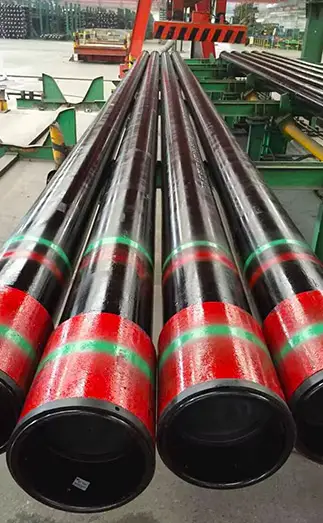
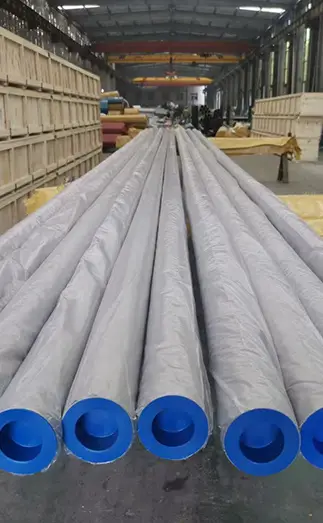
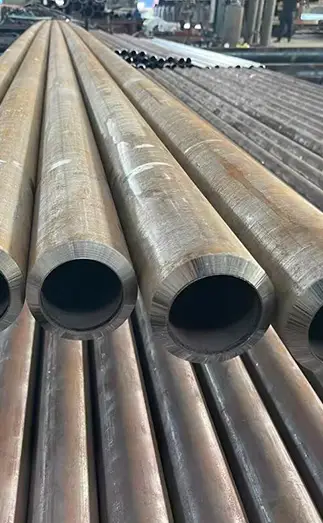
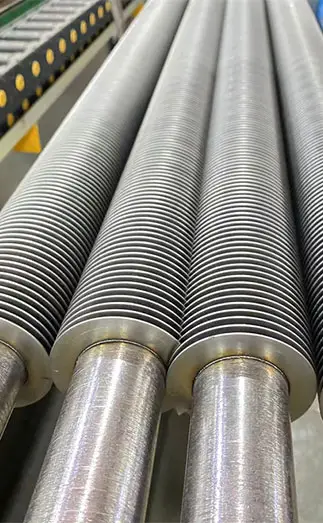
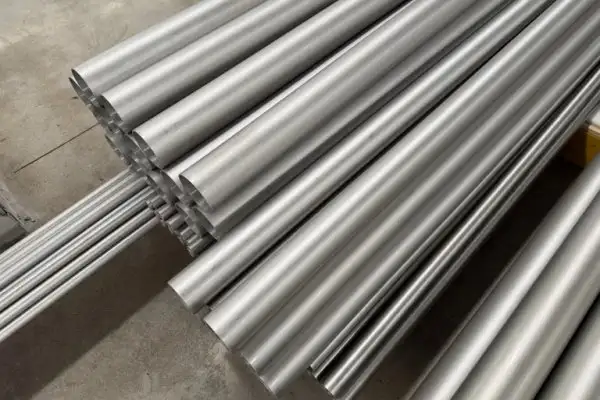
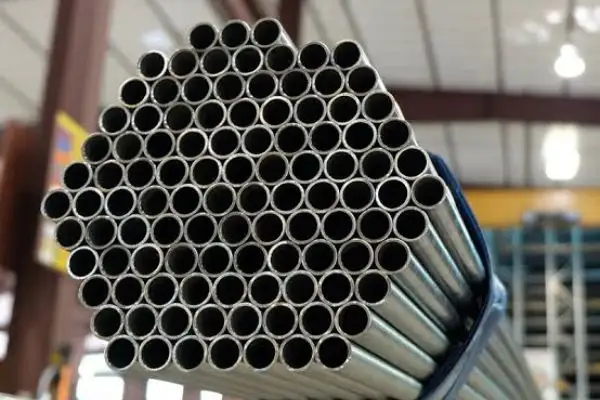
Hastelloy alloys are widely used in chemical processing, petrochemical plants, power generation, marine engineering, and other demanding industries where excellent corrosion resistance and high-temperature performance are required. Grades such as Hastelloy X, Hastelloy C4, Hastelloy C22, and Hastelloy C276 are commonly selected for applications involving aggressive chemicals, oxidizing media, reducing acids, and elevated operating temperatures.
Because these nickel alloy pipes and tubes are often used in critical environments, comprehensive quality inspection and testing are essential before delivery. Dimensional accuracy, material verification, pressure resistance, and corrosion performance must all be carefully controlled to ensure long-term reliability.
High-quality Hastelloy pipes and tubes undergo both destructive and non-destructive testing (NDT) procedures to confirm compliance with customer specifications and international standards.
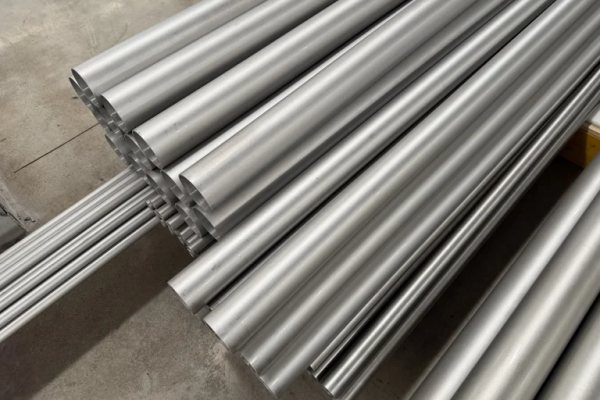
Why Testing Is Important for Hastelloy Pipes
Testing helps verify:
Material authenticity and alloy grade
Dimensional accuracy and surface quality
Pressure resistance and structural integrity
Corrosion resistance performance
Internal and surface defect detection
Compliance with project specifications
Comprehensive inspection reduces the risk of leakage, premature corrosion, and unexpected failures in critical service conditions.
Common Tests for Hastelloy X, C4, C22 and C276 Pipe
1. Eddy Current Examination (ECT)
Eddy Current Testing is a non-destructive inspection method used to detect surface and near-surface defects in Hastelloy pipes and tubes.
This test can identify:
Surface cracks
Pinholes
Inclusions
Manufacturing discontinuities
ECT is particularly effective for thin-wall tubes and high-precision applications.
2. Hydrostatic Analysis
Hydrostatic testing verifies the pressure-bearing capability of the pipe by filling it with water and applying a specified pressure.
The test confirms:
Leak tightness
Structural integrity
Pressure resistance
Hydrostatic testing is commonly required for process piping, heat exchanger tubes, and high-pressure systems.
3. Pitting Resistance Test
Hastelloy alloys are known for excellent resistance to localized corrosion. Pitting tests evaluate the alloy's ability to resist:
Pitting corrosion
Crevice corrosion
Chloride attack
This test is especially important for marine, chemical, and chloride-containing environments.
4. Positive Material Recognition (PMI)
Positive Material Identification (PMI) is used to confirm the chemical composition of the alloy.
PMI verifies key elements such as:
Nickel (Ni)
Chromium (Cr)
Molybdenum (Mo)
Iron (Fe)
This ensures that Hastelloy C22, C276, C4, and X materials are correctly identified before shipment and installation.
Additional Quality Inspections
Depending on project requirements, additional inspections may include:
Visual Inspection
Dimensional Measurement
Ultrasonic Testing (UT)
Chemical Composition Analysis
Mechanical Property Testing
Surface Finish Inspection
Mill Test Certificates (MTC EN 10204 3.1/3.2) are commonly provided for complete traceability.
Industries Using Tested Hastelloy Pipes and Tubes
Properly inspected Hastelloy pipes and tubes are widely used in:
Chemical Processing Plants
Petrochemical Facilities
Power Generation Industries
Flue Gas Desulfurization Systems
Marine Engineering
Heat Exchangers
Pollution Control Equipment
Offshore Projects
Conclusion
Testing and quality control play a critical role in ensuring the reliability of Hastelloy X, C4, C22, and C276 pipes and tubes. Non-destructive testing methods such as Eddy Current Testing, PMI, and hydrostatic testing help verify material quality, pressure performance, and corrosion resistance.
For demanding industrial applications, selecting fully inspected Hastelloy products with complete testing documentation can improve operational safety, reduce maintenance costs, and ensure long-term service performance.
FAQ
1. What tests are commonly performed on Hastelloy pipes?
Common tests include Eddy Current Testing, Hydrostatic Testing, Positive Material Identification (PMI), and corrosion resistance testing.
2. Why is PMI important for Hastelloy alloys?
PMI confirms the chemical composition and ensures the correct alloy grade is supplied.
3. Are Hastelloy pipes hydrostatically tested?
Yes. Hydrostatic testing verifies pressure resistance and leak tightness.
4. Which industries use Hastelloy pipes?
Chemical processing, petrochemical, power generation, marine, and pollution control industries commonly use Hastelloy pipes.


 English
 Español
 Français
 بالعربية