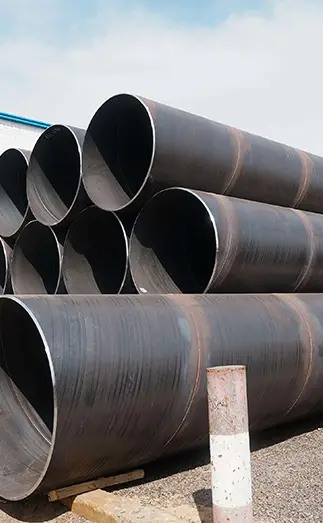
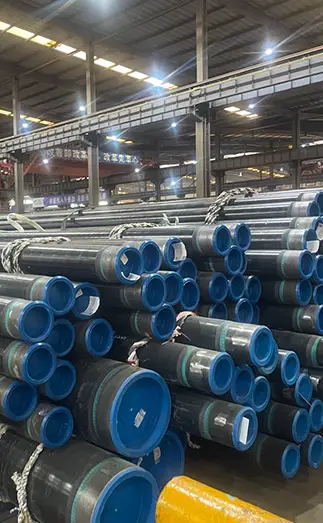
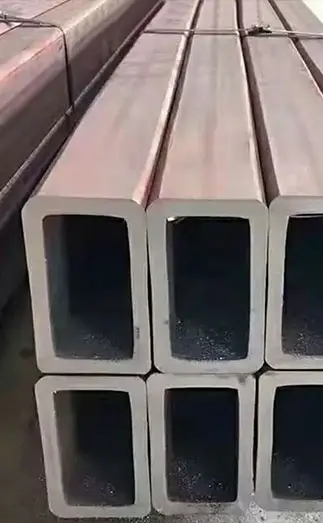
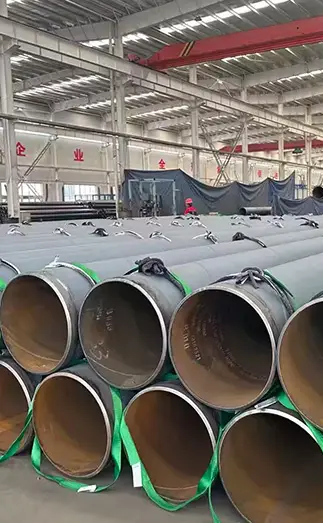
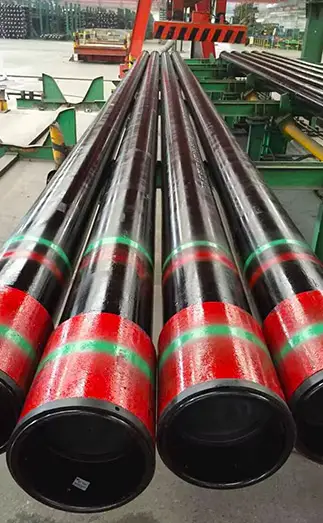
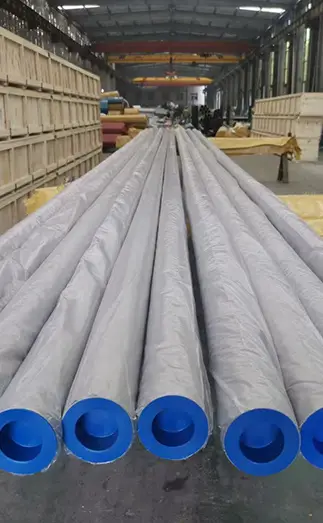
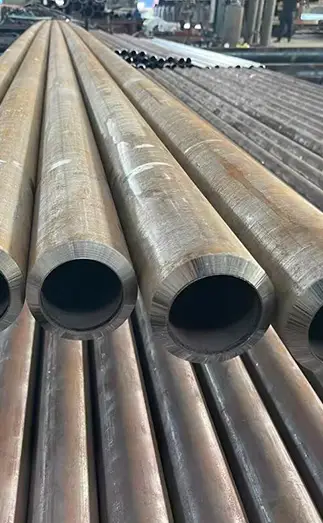
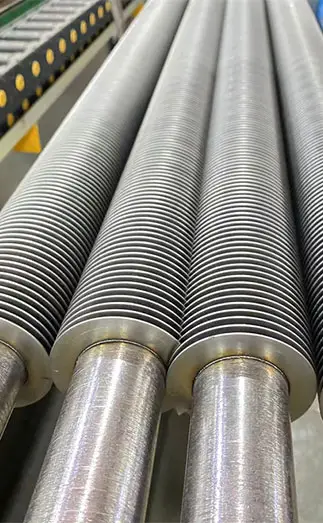
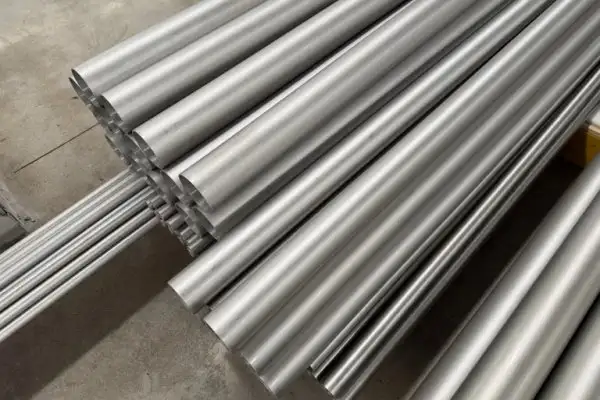
Hastelloy X, C4, C22, and C276 pipes are nickel-based alloy products used in demanding industrial environments where material reliability and resistance to aggressive operating conditions are important.
These Hastelloy grades are used across petrochemical, power generation, food processing, oil and gas, and sugar industries. Depending on the specific service conditions, Hastelloy pipe and tube products can be used for process piping, heat-transfer systems, chemical handling equipment, and other industrial applications.
To ensure consistent product quality, Hastelloy pipes and tubes should be manufactured from high-quality raw materials and undergo appropriate inspection and testing before shipment.
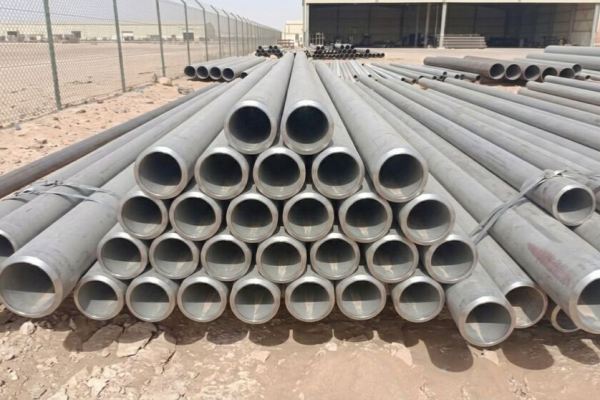
Why Are Hastelloy Pipes and Tubes Used in Industry?
Hastelloy alloys are selected for applications where conventional materials may not provide the required level of corrosion resistance or service reliability.
Key considerations include:
Resistance to aggressive process environments
Good performance in demanding industrial service
Suitability for high-temperature applications for selected grades
Reliable performance in process piping and equipment
Availability in different grades for specific operating conditions
The appropriate Hastelloy grade should be selected according to the operating temperature, pressure, chemical environment, and project specifications.
Applications of Hastelloy X, C4, C22 and C276 Pipe & Tube
1. Petrochemical Industries
Hastelloy pipes and tubes are used in petrochemical facilities where piping and equipment can be exposed to aggressive chemicals and demanding process conditions.
Typical applications include:
Process piping
Heat exchangers
Chemical handling systems
Process equipment
Different Hastelloy grades can be selected according to the specific chemical environment and operating requirements.
2. Power Generation Industries
Power generation facilities require piping and tubing materials that can maintain reliable performance under demanding operating conditions.
Hastelloy products can be used in:
Heat-transfer systems
Process piping
High-temperature equipment
Flue gas and pollution-control systems
Hastelloy X is particularly associated with high-temperature applications, while corrosion-resistant grades such as C22 and C276 can be considered for aggressive process environments.
3. Food Processing Industries
Although food-processing environments have different requirements from heavy chemical industries, corrosion resistance and material cleanliness remain important considerations.
Hastelloy pipes and tubes may be used in selected process systems involving:
Corrosive processing media
Heat-transfer equipment
Process piping
Specialized processing equipment
Material selection should be based on the actual process medium, temperature, cleaning conditions, and applicable sanitary requirements.
4. Oil & Gas Industries
The oil and gas industry operates across a wide range of corrosive and high-temperature environments. Hastelloy pipe and tube products can be used where enhanced resistance to aggressive media is required.
Potential applications include:
Process piping
Oil and gas processing equipment
Heat exchangers
Chemical injection systems
Corrosion-resistant process components
For oil and gas projects, the Hastelloy grade should be matched to the fluid composition, temperature, pressure, and corrosion mechanism involved.
5. Sugar Industries
Sugar processing equipment can encounter moisture, corrosive process media, elevated temperatures, and continuous operating cycles.
Hastelloy pipe and tube products can be applied to selected:
Process piping systems
Heat-transfer equipment
Evaporation systems
Corrosion-resistant process equipment
The final material selection should consider the actual process conditions and equipment requirements.
How to Select the Right Hastelloy Grade?
Hastelloy X, C4, C22, and C276 should not be selected solely by industry name. The actual operating environment is more important.
Before ordering, consider:
Operating temperature – Determine the required high-temperature performance.
Chemical environment – Identify acids, chlorides, oxidizing or reducing media, and other corrosive substances.
Pressure requirements – Confirm the required pipe or tube dimensions and pressure rating.
Corrosion mechanism – Consider general corrosion, pitting, crevice corrosion, or other localized attack.
Applicable standards – Confirm the required ASTM, ASME, UNS, or project-specific specifications.
Inspection requirements – Define chemical analysis, mechanical testing, PMI, NDT, hydrostatic testing, and documentation requirements.
Quality Control Before Shipment
For critical industrial applications, Hastelloy products should be manufactured from controlled raw materials and inspected before dispatch.
Depending on project requirements, quality control may include:
Chemical composition verification
Mechanical property testing
Dimensional inspection
Visual and surface inspection
Positive Material Identification (PMI)
Eddy Current Testing
Hydrostatic Testing
Material traceability
Mill Test Certificate (MTC)
These inspections help confirm that the supplied pipe or tube matches the specified Hastelloy grade and project requirements.
FAQ
1. Where are Hastelloy pipes commonly used?
They are used in petrochemical, power generation, oil and gas, food processing, and sugar industries.
2. What Hastelloy grades are covered?
Common grades include Hastelloy X, C4, C22, and C276.
3. How do I choose a Hastelloy pipe grade?
Consider the operating temperature, pressure, chemical environment, corrosion conditions, and applicable standards.
4. Are Hastelloy pipes tested before shipment?
Yes. Testing may include chemical analysis, dimensional inspection, PMI, NDT, and hydrostatic testing according to project requirements.
5. Why is raw material quality important?
Controlled raw materials help ensure the required chemical composition, material properties, and product traceability.


 English
 Español
 Français
 بالعربية