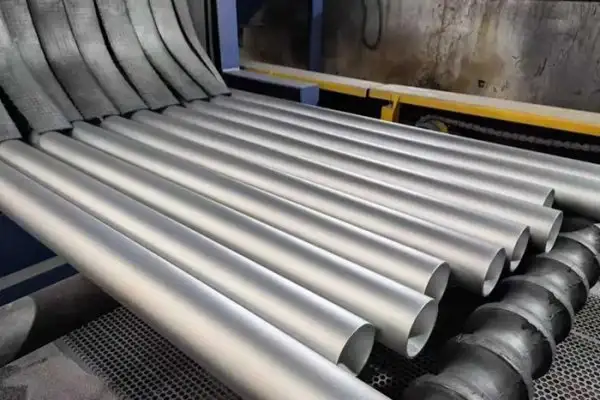
What Is SCH 40 SMLS Pipe?
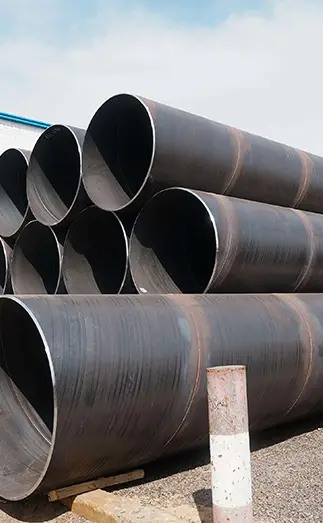
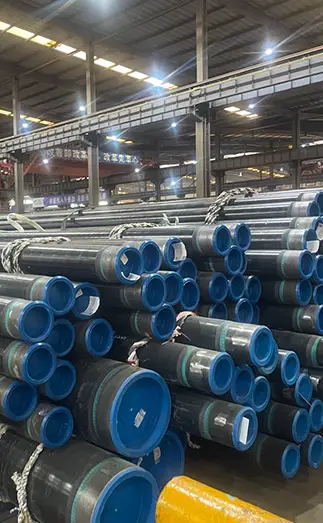
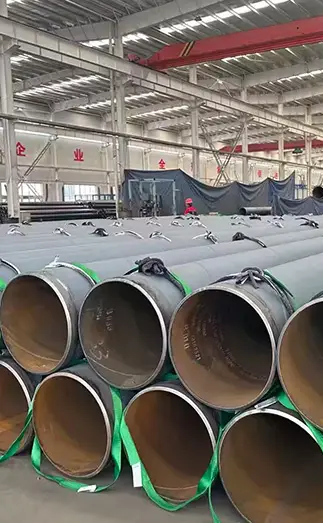
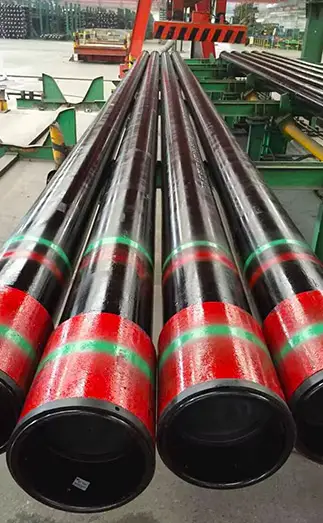
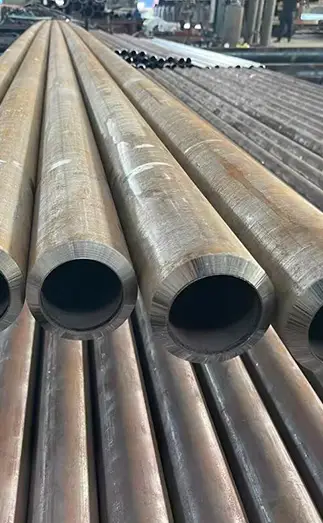
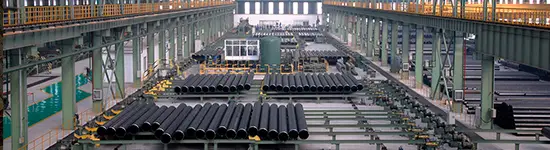
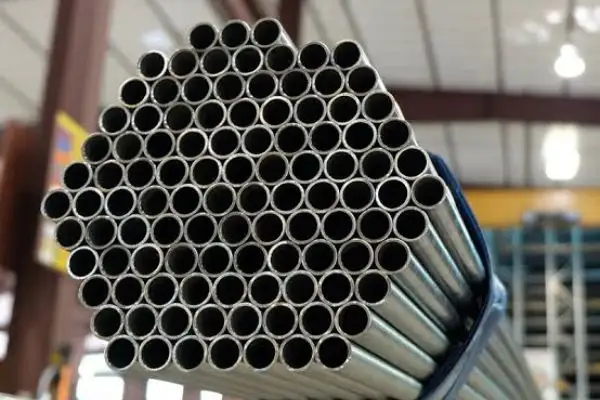
SCH 40 SMLS pipe refers to a Schedule 40 seamless carbon steel pipe manufactured without a welded seam. It is one of the most commonly used pipe types in oil & gas, petrochemical, power generation, water transmission, and industrial piping systems.
The designation consists of two parts:
SCH 40 = Standard wall thickness series defined by ASME pipe standards
SMLS = Seamless manufacturing process with no welded joint
Because of its balanced strength, pressure resistance, and cost-effectiveness, SCH 40 seamless pipe is widely specified for medium-pressure piping applications.
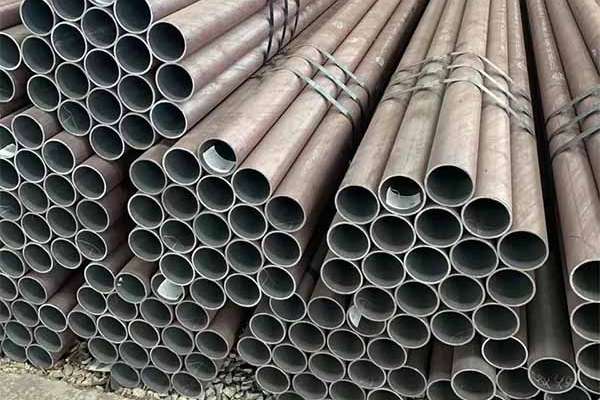
What Is SCH 40?
Schedule (SCH) is the wall thickness classification system used in ASME B36.10M.
For a given pipe size:
Outside diameter (OD) remains constant
Wall thickness varies according to schedule number
Higher schedule = thicker wall = higher pressure capability
SCH 40 is considered the standard wall thickness for many industrial piping systems.
What Does SMLS Mean?
SMLS stands for Seamless Steel Pipe.
Unlike welded pipes, seamless pipes are produced from solid steel billets through hot piercing and rolling processes.
Key advantages include:
No weld seam
Better pressure resistance
Uniform mechanical properties
Improved structural integrity
These characteristics make seamless pipes suitable for critical pressure services.
Chemical Composition of SCH 40 Seamless Carbon Steel Pipe
The chemical composition depends on the applicable standard and grade, most commonly:
ASTM A53 Grade A
ASTM A53 Grade B
ASTM A106 Grade B
The primary alloying elements are carbon and manganese, while phosphorus and sulfur are strictly controlled to ensure weldability and toughness.
ASTM A53 vs ASTM A106 Chemical Composition
|
Element (%)
|
ASTM A53 Gr.A
|
ASTM A53 Gr.B
|
ASTM A106 Gr.B
|
|
Carbon (C)
|
≤ 0.25
|
≤ 0.30
|
≤ 0.30
|
|
Manganese (Mn)
|
≤ 0.95
|
≤ 1.20
|
≤ 1.06
|
|
Phosphorus (P)
|
≤ 0.05
|
≤ 0.05
|
≤ 0.05
|
|
Sulfur (S)
|
≤ 0.045
|
≤ 0.045
|
≤ 0.045
|
|
Silicon (Si)
|
≥ 0.10
|
≥ 0.10
|
≥ 0.10
|
|
Copper (Cu)
|
≤ 0.40
|
≤ 0.40
|
≤ 0.40
|
|
Nickel (Ni)
|
≤ 0.40
|
≤ 0.40
|
≤ 0.40
|
|
Chromium (Cr)
|
≤ 0.40
|
≤ 0.40
|
≤ 0.40
|
|
Molybdenum (Mo)
|
≤ 0.15
|
≤ 0.15
|
≤ 0.15
|
|
Vanadium (V)
|
≤ 0.08
|
≤ 0.08
|
≤ 0.08
|
Why Are Carbon and Manganese Important?
Carbon (C)
Carbon is the primary strengthening element in carbon steel pipe.
Functions:
Increases tensile strength
Improves hardness
Enhances pressure-bearing capability
However, excessive carbon may reduce weldability and ductility.
Manganese (Mn)
Manganese improves both strength and toughness.
Benefits include:
Better mechanical properties
Improved deoxidation during steelmaking
Enhanced resistance to cracking
The combination of carbon and manganese provides the balance of strength and workability required for pressure piping applications.
Why Are Phosphorus and Sulfur Limited?
Phosphorus and sulfur are considered residual elements that can negatively affect pipe performance.
Strict control helps achieve:
Better weldability
Higher toughness
Improved impact resistance
Greater long-term reliability
For this reason, ASTM standards place maximum limits on both elements.
Typical Applications of SCH 40 SMLS Pipe
SCH 40 seamless carbon steel pipe is widely used in:
Oil and gas pipelines
Petrochemical plants
Power generation facilities
Water transmission systems
Industrial process piping
Boiler and pressure systems
Mechanical and structural applications
The exact grade selection depends on operating temperature, pressure, and service conditions.
ASTM A53 vs ASTM A106: Which Should You Choose?
|
Feature
|
ASTM A53
|
ASTM A106
|
|
Main Service
|
General Industrial Service
|
High-Temperature Service
|
|
Pressure Systems
|
Good
|
Excellent
|
|
Elevated Temperature Performance
|
Moderate
|
Better
|
|
Refinery Applications
|
Common
|
Preferred
|
|
Cost
|
Lower
|
Slightly Higher
|
For standard industrial piping, ASTM A53 is often sufficient. For high-temperature process piping and refinery service, ASTM A106 Grade B is usually preferred.
Quick Selection Guide
|
Requirement
|
Recommended Grade
|
|
Water Transmission
|
ASTM A53 Gr.B
|
|
General Industrial Piping
|
ASTM A53 Gr.B
|
|
Oil & Gas Systems
|
ASTM A106 Gr.B
|
|
Refinery Piping
|
ASTM A106 Gr.B
|
|
Elevated Temperature Service
|
ASTM A106 Gr.B
|
FAQ
What does SCH 40 SMLS mean?
SCH 40 SMLS means Schedule 40 seamless carbon steel pipe.
Is SCH 40 a pressure rating?
No. SCH 40 indicates wall thickness, not a specific pressure rating.
Is seamless pipe stronger than welded pipe?
Seamless pipe generally offers better structural uniformity and pressure resistance because it contains no weld seam.
What is the most common SCH 40 seamless pipe grade?
ASTM A53 Grade B and ASTM A106 Grade B are the most widely used grades.
Can SCH 40 seamless pipe be used for high-temperature service?
Yes. ASTM A106 Grade B SCH 40 seamless pipe is commonly used in elevated-temperature applications.
Conclusion
SCH 40 SMLS pipe is one of the most widely used seamless carbon steel pipe products in industrial piping systems. Manufactured without a weld seam and available in standards such as ASTM A53 and ASTM A106, it provides a reliable balance of strength, pressure resistance, weldability, and cost. Selecting the correct grade should be based on operating temperature, pressure requirements, and project specifications.


 English
 Español
 Français
 بالعربية