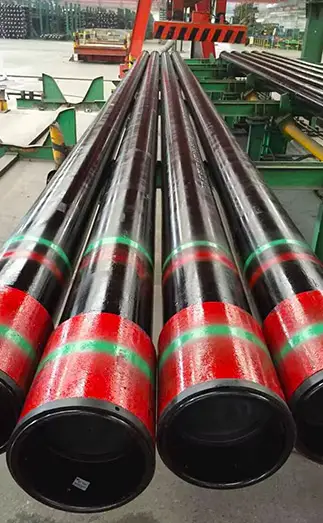
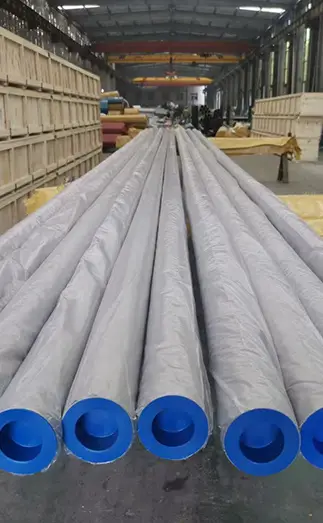
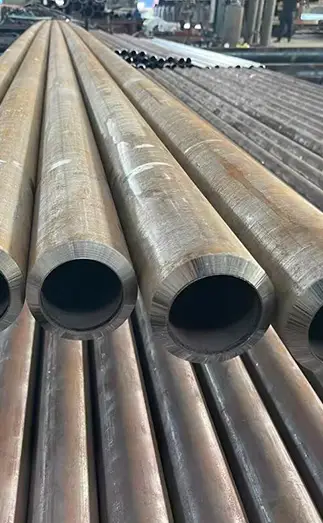
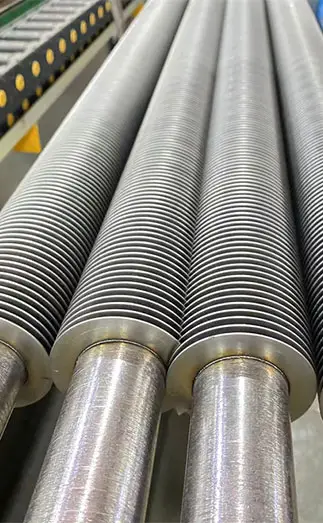
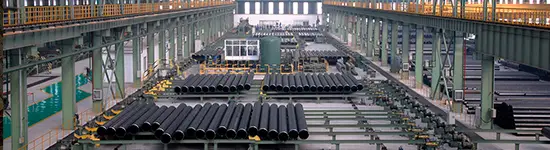
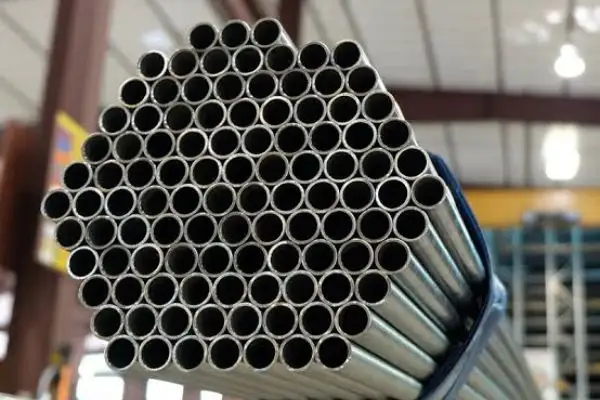
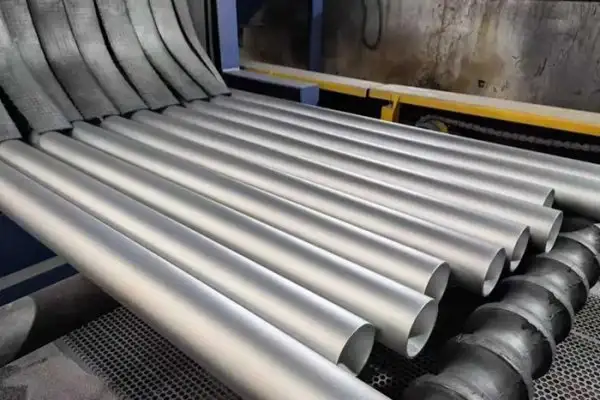
Galvanized steel pipe remains one of the most widely used piping materials in construction, infrastructure, water distribution, and industrial projects. By applying a protective zinc coating to the steel surface, galvanized pipes offer enhanced corrosion resistance, extended service life, and improved durability compared with ordinary carbon steel pipes.
Because of their balance of performance and affordability, galvanized pipes continue to be a preferred choice for both structural and fluid transportation applications worldwide.
What Is a Galvanized Pipe?
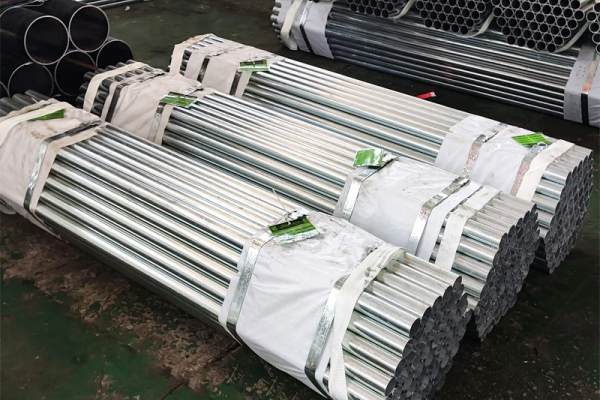
A galvanized pipe is a carbon steel pipe coated with a layer of zinc through either hot-dip galvanizing or pre-galvanizing processes. The zinc coating acts as a protective barrier between the steel substrate and the surrounding environment.
In addition to providing physical protection, zinc offers sacrificial protection. Even if the coating is scratched or damaged, the zinc corrodes first, helping to protect the underlying steel from rust and deterioration.
Common galvanized pipe standards include:
ASTM A53 Galvanized Pipe
ASTM A500 Galvanized Structural Tube
EN 10255 Galvanized Steel Pipe
BS 1387 Galvanized Pipe
ISO 65 Galvanized Steel Tube
Key Features of Galvanized Pipe
1. Zinc Coating Protection
The most important feature of galvanized pipe is its zinc coating, which significantly improves corrosion resistance.
Benefits include:
Protection against moisture and humidity
Reduced risk of rust formation
Enhanced resistance to atmospheric corrosion
Additional sacrificial protection for exposed steel
This makes galvanized pipes particularly suitable for outdoor installations and exposed environments.
2. Long Service Life
Galvanized steel pipes are designed for long-term service under normal operating conditions.
Compared with uncoated carbon steel pipes, galvanized pipes can provide decades of reliable performance with minimal maintenance.
Factors affecting service life include:
Coating thickness
Environmental conditions
Exposure to chemicals or saltwater
Installation quality
In many building and infrastructure projects, galvanized pipes can achieve service lives of 30 years or more.
3. High Mechanical Strength
Unlike plastic piping materials, galvanized steel pipes retain the inherent strength of carbon steel.
Advantages include:
High load-bearing capacity
Excellent impact resistance
Resistance to mechanical damage
Reliable structural support
This combination of strength and corrosion protection makes galvanized pipes suitable for both structural and piping applications.
4. Suitable for Outdoor Applications
Outdoor installations require materials that can withstand changing weather conditions.
Galvanized pipes perform well in:
Rain and humidity
Sunlight exposure
Temperature fluctuations
Industrial environments
Because of their protective zinc layer, they are commonly used in fencing, guardrails, handrails, utility structures, and external piping systems.
5. Cost-Effective Solution
Galvanized steel pipe offers an excellent balance between initial investment and long-term performance.
Compared with many corrosion-resistant alloys, galvanized pipe provides:
Lower material costs
Reduced maintenance expenses
Longer replacement intervals
Lower lifecycle costs
For many construction and infrastructure projects, galvanized pipe delivers significant long-term value.
Galvanized Pipe Feature and Benefit Overview
|
Feature
|
Benefit
|
|
Zinc Coating Protection
|
Excellent corrosion resistance
|
|
Long Service Life
|
Reduced maintenance costs
|
|
High Mechanical Strength
|
Reliable structural performance
|
|
Suitable for Outdoor Use
|
Withstands harsh environments
|
|
Cost-Effective Solution
|
Long-term project value
|
Hot-Dip Galvanized Pipe vs Pre-Galvanized Pipe
|
Item
|
Hot-Dip Galvanized Pipe
|
Pre-Galvanized Pipe
|
|
Coating Thickness
|
Thicker
|
Thinner
|
|
Corrosion Resistance
|
Excellent
|
Good
|
|
Service Life
|
Longer
|
Moderate
|
|
Outdoor Performance
|
Superior
|
Suitable for mild environments
|
|
Cost
|
Higher
|
Lower
|
For demanding outdoor environments, hot-dip galvanized pipes are generally recommended due to their superior corrosion resistance and longer lifespan.
How to Select the Right Galvanized Pipe
When choosing galvanized steel pipe, consider the following factors:
Application Environment
Evaluate:
Indoor or outdoor installation
Humidity levels
Exposure to chemicals
Coastal or marine conditions
Pipe Size and Thickness
Confirm:
Outside diameter
Wall thickness
Pressure requirements
Structural load requirements
Galvanizing Method
Select between:
Hot-dip galvanized pipe
Pre-galvanized pipe
based on expected service conditions and budget.
Compliance Requirements
Verify applicable standards and certifications required by your project.
FAQ
1. What is the main advantage of galvanized pipe?
The zinc coating protects the steel from corrosion, significantly extending service life.
2. How long does galvanized pipe last?
Depending on the environment and coating thickness, galvanized pipes can last 20–50 years or more.
3. Is galvanized pipe suitable for outdoor use?
Yes. Galvanized pipes are specifically designed to resist weather exposure and outdoor corrosion.
4. What is the difference between hot-dip galvanized and pre-galvanized pipe?
Hot-dip galvanized pipes have a thicker zinc coating and generally provide better corrosion resistance and longer service life.


 English
 Español
 Français
 بالعربية