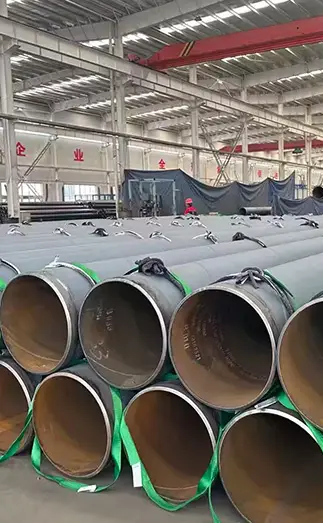
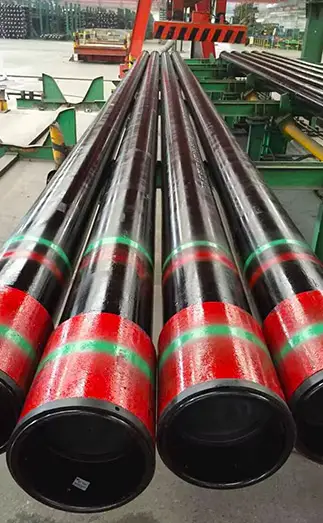
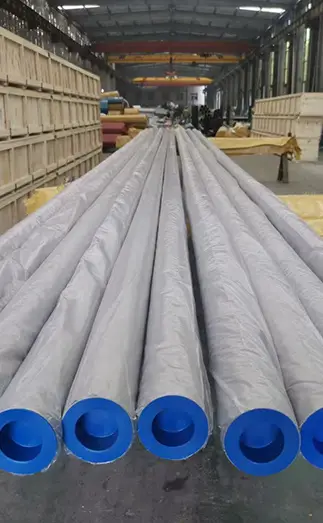
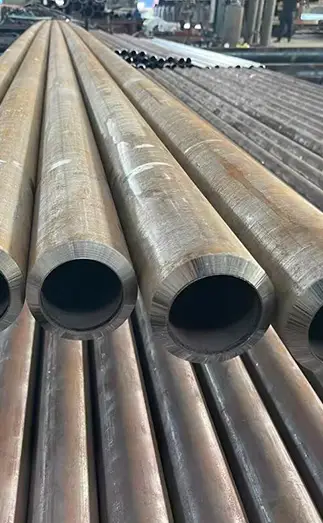
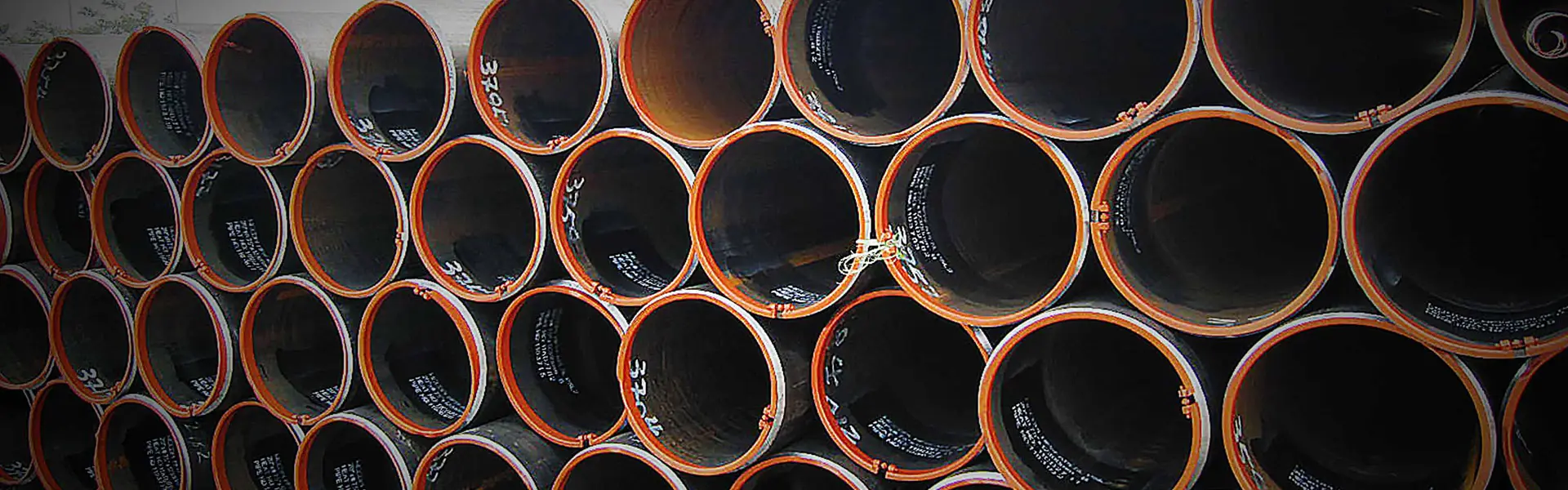
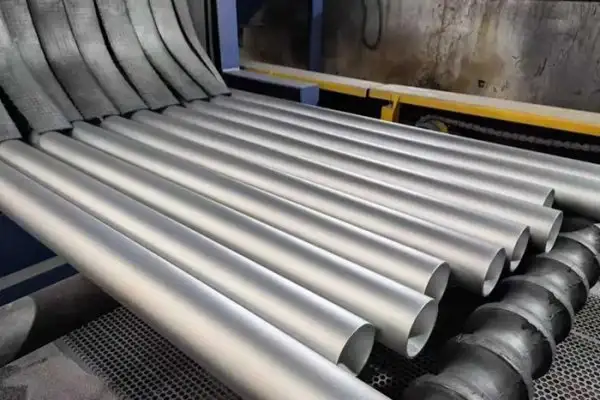
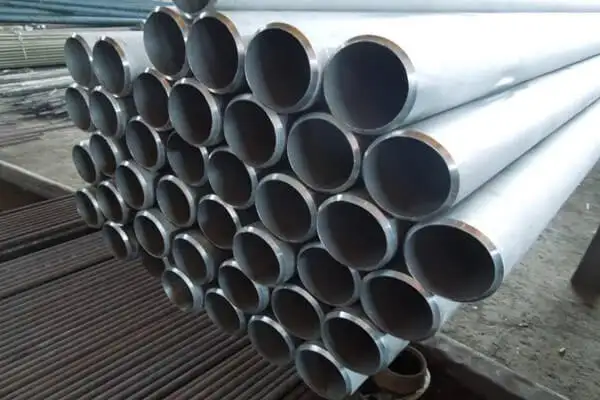
S355 seamless steel pipe is one of the most widely specified high-strength structural steel pipes in Europe and many international projects. With excellent mechanical properties, superior weldability, and consistent seamless construction, it is commonly used in construction, energy, mechanical engineering, offshore structures, and heavy equipment manufacturing where reliability is critical.
This guide explains the material properties, specifications, common applications, quality requirements, and frequently asked questions about S355 seamless steel pipe.
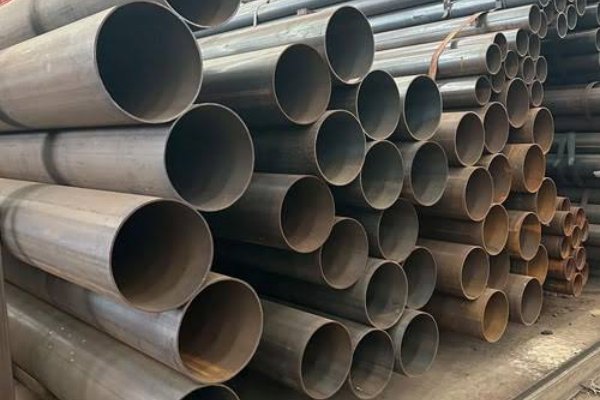
What Is S355 Seamless Steel Pipe?
S355 seamless steel pipe is manufactured from low-alloy high-strength structural steel that complies with European standards such as EN 10210, EN 10216, and related specifications depending on the application.
Compared with ordinary carbon steel, S355 provides significantly higher yield strength while maintaining excellent fabrication performance. Because seamless pipes contain no longitudinal weld seam, they offer improved pressure resistance, more uniform mechanical properties, and better reliability in demanding service conditions.
Typical advantages include:
Minimum yield strength of 355 MPa
Excellent weldability
High toughness
Uniform wall thickness
Good fatigue resistance
Suitable for high-pressure applications
Excellent dimensional precision
Mechanical Properties of S355 Steel Pipe
The defining characteristic of S355 steel is its high yield strength, allowing engineers to reduce structural weight without sacrificing load-bearing capacity.
|
Property
|
Typical Value
|
|
Minimum Yield Strength
|
355 MPa
|
|
Tensile Strength
|
470–630 MPa
|
|
Elongation
|
≥20%
|
|
Weldability
|
Excellent
|
|
Pressure Resistance
|
High
|
Because of these mechanical properties, S355 seamless pipes are frequently selected for structural components exposed to dynamic loading and high internal pressure.
Chemical Composition of S355 Steel
The balanced chemical composition contributes to both strength and fabrication performance.
|
Element
|
Typical Maximum
|
|
Carbon (C)
|
0.22%
|
|
Manganese (Mn)
|
1.60%
|
|
Silicon (Si)
|
0.55%
|
|
Phosphorus (P)
|
0.025%
|
|
Sulfur (S)
|
0.025%
|
The relatively low carbon content improves weldability while maintaining excellent mechanical performance.
Where Is S355 Seamless Steel Pipe Used?
Because of its combination of strength and toughness, S355 seamless steel pipe serves a wide variety of industrial sectors.
Construction and Infrastructure
Structural engineers frequently specify S355 for:
Steel buildings
Bridges
Stadium structures
Industrial plants
Large-span frameworks
Its higher yield strength allows lighter structures while maintaining safety.
Oil and Gas Industry
S355 seamless pipes are suitable for:
High-pressure transmission pipelines
Process piping
Offshore platforms
Compressor stations
Pipeline supports
The seamless manufacturing process reduces the risk of weld-related failures under pressure.
Mechanical Engineering
Precision manufacturing commonly uses S355 pipes for:
Hydraulic cylinders
Machine frames
Heavy equipment
Mechanical shafts
Industrial rollers
The consistent wall thickness improves machining accuracy.
Power Generation
Power plants utilize S355 steel pipes in:
Steam pipelines
Auxiliary piping systems
Structural supports
Cooling systems
Its strength and reliability make it suitable for demanding operating environments.
Why Choose Seamless S355 Instead of Welded Pipe?
Both seamless and welded pipes have their place in industry, but seamless pipes offer important advantages in demanding applications.
|
Feature
|
S355 Seamless Pipe
|
Welded Pipe
|
|
Weld Seam
|
None
|
Present
|
|
Pressure Resistance
|
Excellent
|
Moderate
|
|
Wall Uniformity
|
Excellent
|
Good
|
|
Fatigue Performance
|
Higher
|
Lower
|
|
High-Stress Applications
|
Recommended
|
Limited
|
|
Service Reliability
|
Excellent
|
Good
|
For critical pressure systems, heavy structural applications, and safety-sensitive projects, seamless pipes generally provide greater long-term reliability.
How Is S355 Seamless Steel Pipe Quality Controlled?
High-quality manufacturers implement comprehensive inspection procedures throughout production.
Typical quality control includes:
Chemical Composition Analysis
Each heat is tested to verify compliance with the required material specification.
Mechanical Property Testing
Manufacturers verify:
Yield strength
Tensile strength
Elongation
Impact toughness (where applicable)
Dimensional Inspection
Critical measurements include:
Outside diameter
Wall thickness
Straightness
Length tolerance
Ovality
Non-Destructive Testing (NDT)
Common inspection methods include:
Ultrasonic Testing (UT)
Eddy Current Testing (ET)
Magnetic Particle Inspection (MPI) when required
These inspections help identify internal or surface defects before shipment.
Mill Test Certificate (MTC)
Reputable suppliers provide complete material traceability through an MTC that includes:
Heat number
Chemical composition
Mechanical properties
Inspection results
Applicable standards
How to Select the Right S355 Seamless Steel Pipe
Before placing an order, buyers should confirm several technical parameters:
Applicable standard (EN 10210, EN 10216, etc.)
Outside diameter
Wall thickness
Pipe length
Delivery condition
Surface treatment
Testing requirements
Project operating pressure
Service temperature
Working with an experienced supplier helps ensure the selected specification matches the intended application.
Conclusion
S355 seamless steel pipe combines high strength, excellent weldability, and reliable seamless construction, making it an ideal solution for structural engineering, oil and gas, power generation, and mechanical manufacturing. Its superior mechanical performance and consistent quality help improve safety, reduce maintenance costs, and extend service life in demanding industrial environments.
Selecting certified products from a qualified manufacturer, together with proper inspection and testing, ensures long-term performance for even the most challenging engineering projects.
FAQ
1. What is S355 seamless steel pipe?
S355 seamless steel pipe is a high-strength low-alloy structural steel pipe with a minimum yield strength of 355 MPa, widely used in industrial and structural applications.
2. Is S355 stronger than S275?
Yes. S355 has a minimum yield strength of 355 MPa, while S275 provides 275 MPa, making S355 suitable for higher-load applications.
3. Can S355 seamless steel pipe be welded?
Yes. Its relatively low carbon content provides excellent weldability using standard welding procedures.
4. What industries commonly use S355 seamless steel pipe?
Construction, oil & gas, power generation, heavy equipment manufacturing, mechanical engineering, offshore structures, and infrastructure projects all widely use S355 seamless steel pipe.
5. What standards apply to S355 seamless pipes?
Common standards include EN 10210, EN 10216, and other European specifications depending on the application.


 English
 Español
 Français
 بالعربية