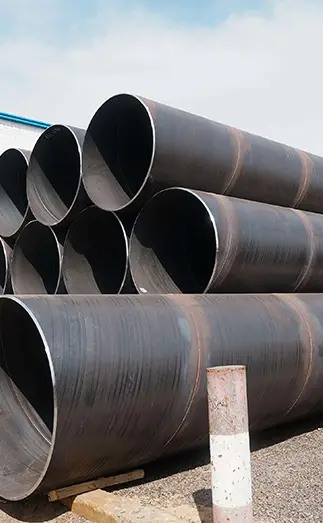
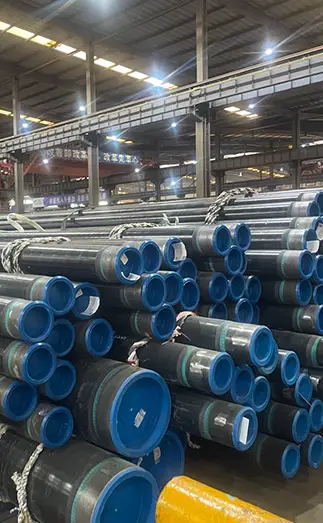
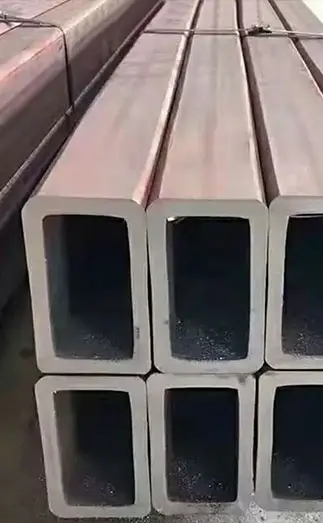
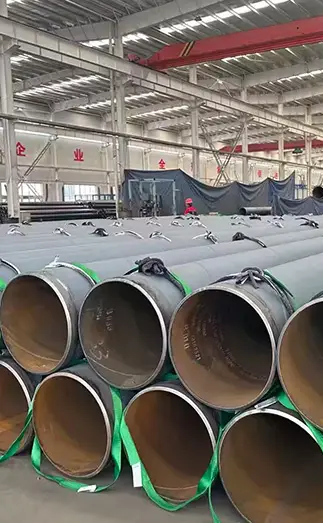
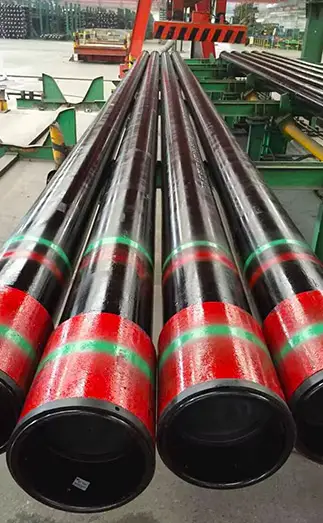
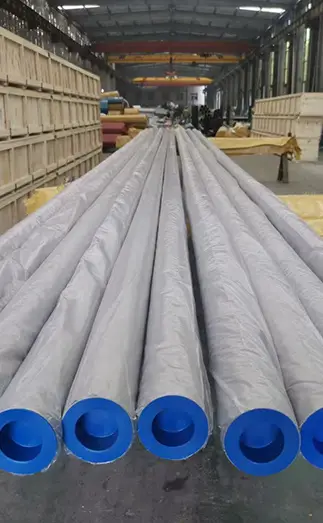
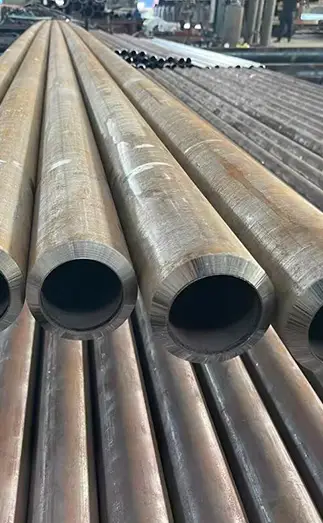
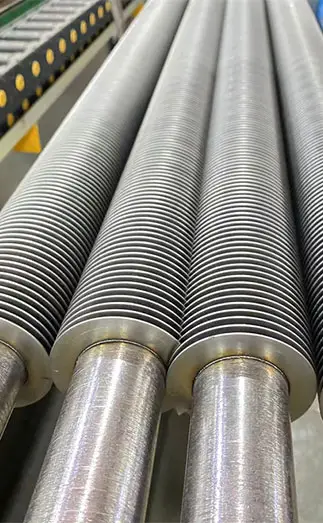
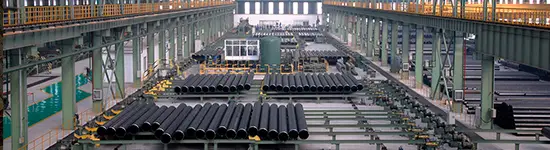
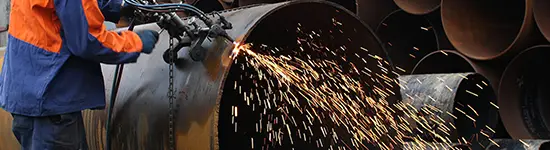
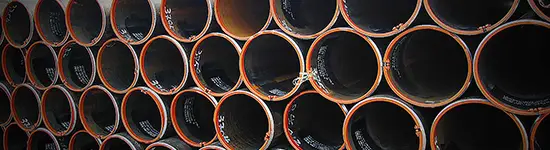
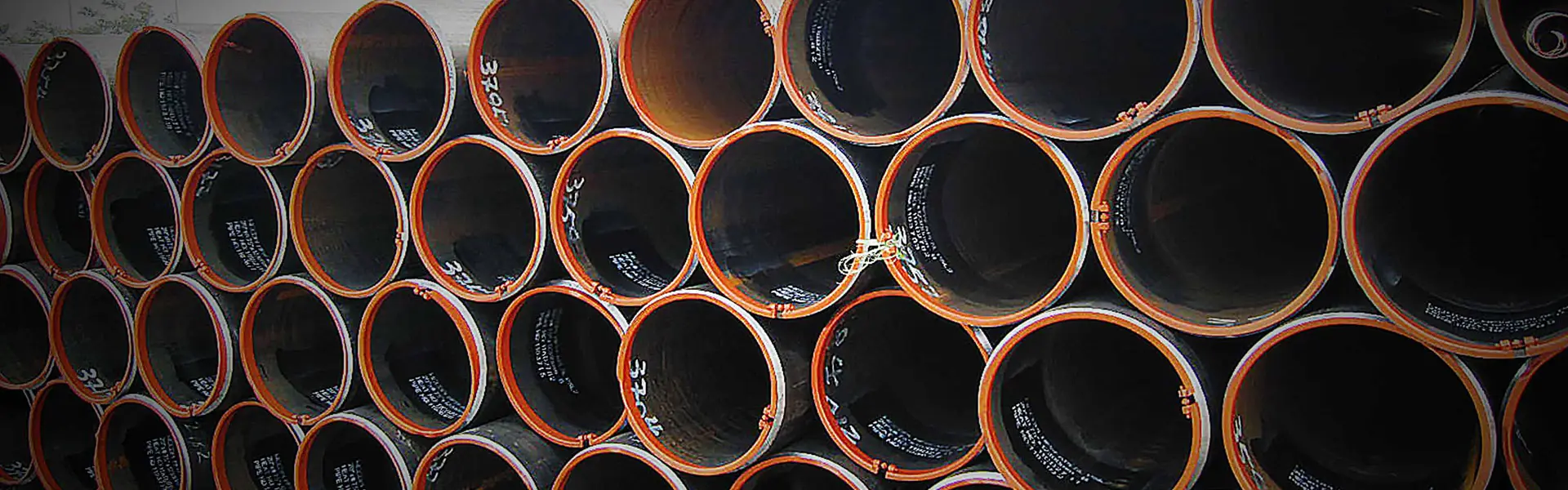
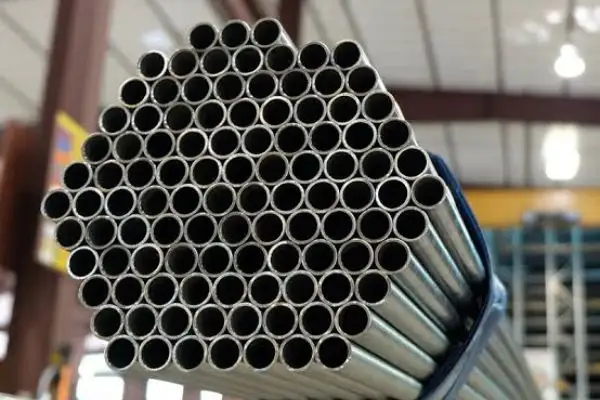
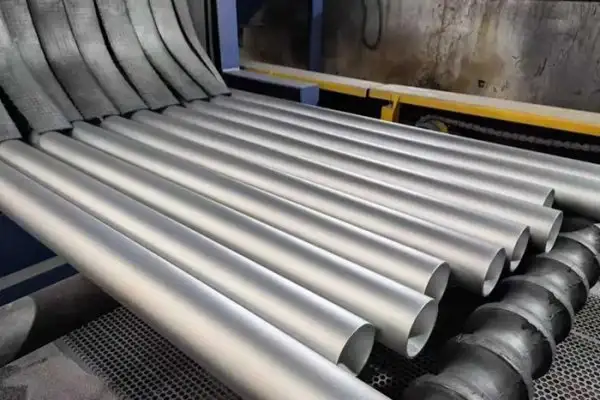
Proper storage of seamless steel pipes focuses on surface protection, corrosion prevention, and environmental control. Key measures include cleaning, rust removal, surface treatment, and controlled storage conditions to ensure coating adhesion and extend service life.
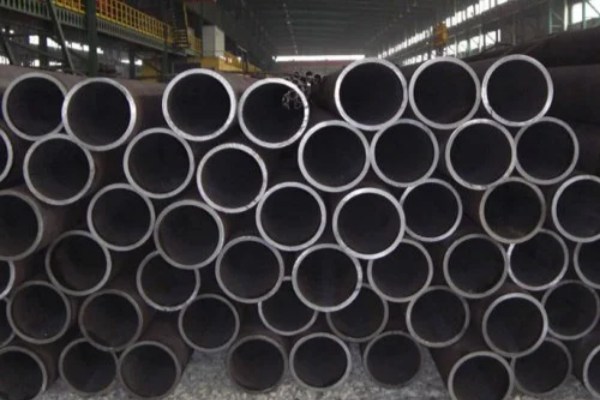
Why Proper Storage Matters
In oil and gas pipeline projects, the surface condition of seamless steel pipes directly affects the performance of anti-corrosion coatings.
Key Insight:
Surface treatment accounts for ~50% of the overall durability of the anti-corrosion layer. Poor storage can lead to contamination, rust formation, and coating failure.
Key Surface Treatment Steps Before Storage Seamless Steel Pipe
1. Cleaning (Pre-Treatment)
Use solvents or emulsions to remove:
Oil and grease
Dust and dirt
Organic contaminants
Limitation: Cleaning alone cannot remove rust, oxide scale, or welding residues. It is only a preparatory step.
2. Pickling (Chemical Cleaning)
Two main methods:
Chemical pickling
Electrolytic pickling
Functions:
Removes rust, oxide scale, and old coatings
Improves basic surface cleanliness
Considerations:
Limited surface roughness (shallow anchor profile)
Potential environmental impact
Often used as a pre-treatment before further processing
3. Tool Descaling (Mechanical Cleaning)
Using tools such as wire brushes or grinders to remove:
Loose rust
Oxide scale
Welding slag
Performance Levels:
Manual tools: up to Sa2
Power tools: up to Sa3
Limitation: Ineffective for tightly adhered oxide layers and may not meet anti-corrosion requirements.
4. Jet / Shot Blasting (Recommended Method)
High-speed abrasive blasting (steel shot, sand, etc.) is used to:
Completely remove rust, scale, and contaminants
Create uniform surface roughness (anchor profile)
Advantages:
Improves coating adhesion (both physical and mechanical)
Ensures consistent surface quality
Considered the most effective method for anti-corrosion preparation
Typical Application:
Shot blasting: external surface
Shot peening: internal surface
Storage Best Practices for Seamless Steel Pipes
Environmental Control
Store in dry, well-ventilated areas
Avoid rain, humidity, and direct ground contact
Use supports or racks to prevent deformation
Corrosion Prevention
Apply temporary anti-rust oil or coatings if needed
Avoid long-term exposure after surface treatment
Re-treat surfaces if storage time is extended
Handling and Protection
Prevent mechanical damage during transport and stacking
Avoid contamination from soil, chemicals, or water
Protect pipe ends and machined surfaces
Inspection and Maintenance
Regularly check for rust or coating damage
Ensure traceability and identification remain intact
Re-clean or re-treat if surface condition deteriorates
FAQ
Q1: What is the most important factor in pipe storage?
Surface condition control, as it directly impacts anti-corrosion coating performance.
Q2: Which rust removal method is best?
Shot blasting is the most effective for achieving proper cleanliness and roughness.
Q3: Can pipes be stored outdoors?
Not recommended unless proper protection (covering and elevation) is applied.
Q4: Why is surface roughness important?
It improves coating adhesion and extends the service life of the pipeline.
Conclusion
Proper storage and surface preparation of seamless steel pipes are critical to ensuring coating performance and long-term durability. By combining effective cleaning, appropriate rust removal methods (especially shot blasting), and controlled storage conditions, manufacturers and project owners can significantly reduce corrosion risks and extend pipeline service life.


 English
 Español
 Français
 بالعربية