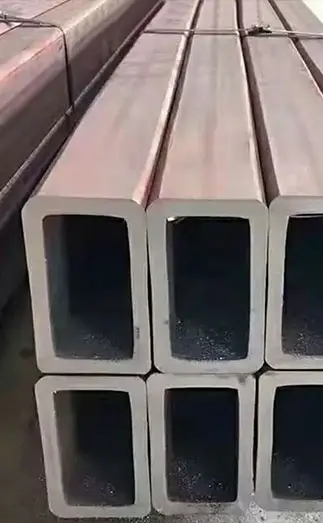
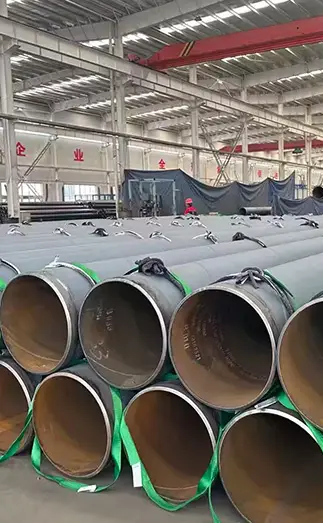
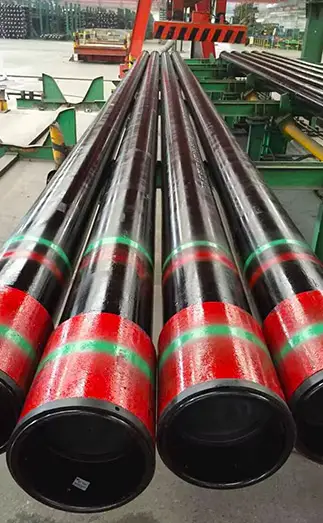
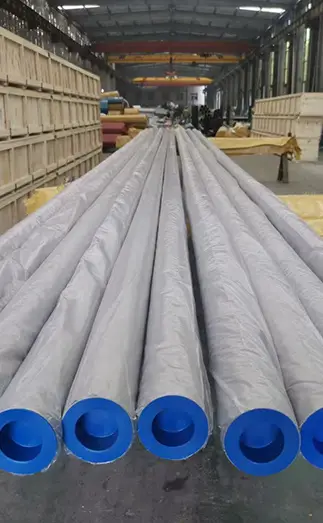
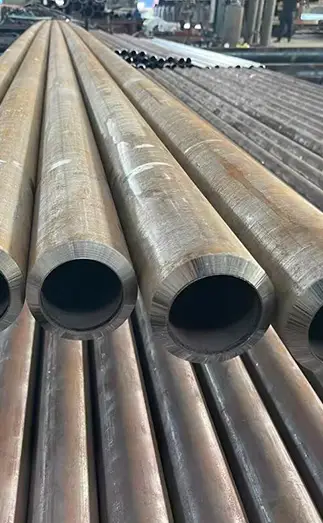
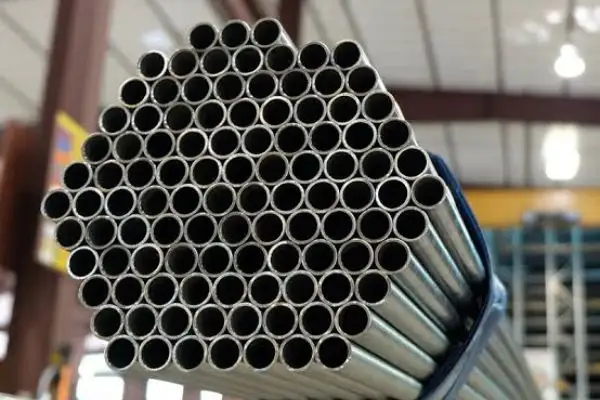
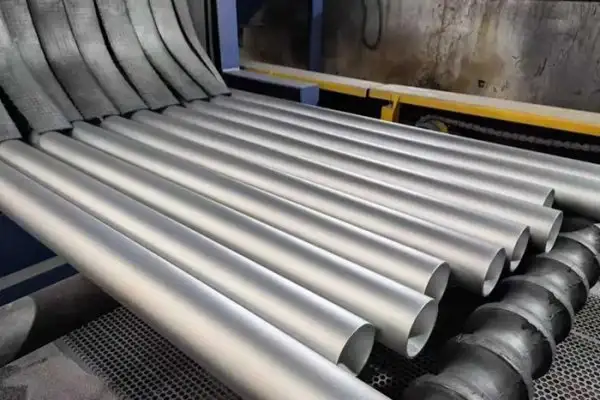
In modern construction and industrial engineering, square tubes are critical structural components used in buildings, machinery, and various equipment. Among them, European-standard square tubes manufactured under EN 10210 are widely recognized for their superior mechanical properties and processing adaptability. However, selecting and procuring these square tubes requires careful evaluation to ensure quality, safety, and long-term performance.
Key Procurement Recommendations for EN 10210 Square Tubes
1. Supplier Selection
The EN 10210 standard defines strict technical and manufacturing requirements to ensure load-bearing capacity, weldability, and corrosion resistance. Despite this, production processes vary between manufacturers, which may cause performance differences in square tubes of the same specification.
Purchasers should prioritize suppliers with proven quality control, reliable certifications, consistent inspection reports, and strong market reputation.
2. Material Selection
EN 10210 square tubes are typically produced from low-alloy high-strength structural steel, offering excellent toughness and durability under high loads. While low-cost alternatives exist, they may not provide sufficient mechanical performance for demanding projects.
Material choices should be aligned with project design requirements to ensure structural integrity and long service life.
3. Size and Wall Thickness Planning
Square tubes are available in a wide range of sizes for different applications. Length and wall thickness directly influence structural stability.
Procurement should follow engineering specifications closely and, where possible, coordinate with suppliers to maintain adequate inventory levels or fast replenishment cycles.
4. Machining and Weldability
EN 10210 tubes generally offer good weldability and machinability. However, discrepancies in equipment and process control at the manufacturer level can lead to inconsistent welding results or dimensional deviations.
Suppliers equipped with advanced machinery and standardized QC systems should be prioritized.
5. Surface Treatment and Corrosion Protection
Common protective treatments include galvanizing and industrial coatings. These significantly enhance corrosion resistance—especially important in humid, coastal, or chemically corrosive environments.
For long-term outdoor or high-humidity applications, anticorrosion-treated square tubes are strongly recommended.
6. Procurement Budgeting
Pricing of EN 10210 square tubes is influenced by raw material costs, production processes, and market fluctuations.
A balanced procurement strategy should control costs while ensuring compliance with required performance standards.
Industry Development Trends of EN 10210 Square Tubes
With technological advancements and rising sustainability requirements in the construction sector, EN 10210 square tubes will continue evolving toward higher performance and greener production.
Manufacturers are increasingly adopting low-emission processes and environmentally friendly coatings. Procurement teams should monitor new product developments, emerging specifications, and sustainable material options to make informed, future-ready decisions.
FAQ: EN 10210 Square Tubes
1. What is the EN 10210 standard?
EN 10210 specifies requirements for hot-finished structural hollow sections made from non-alloy and fine-grain steels. It governs dimensions, mechanical properties, manufacturing methods, and testing.
2. How do EN 10210 square tubes differ from EN 10219 cold-formed tubes?
EN 10210 tubes are hot-finished, offering better toughness, uniformity, and dimensional stability. EN 10219 tubes are cold-formed and generally more economical but may have lower impact resistance.
3. When should I choose thicker wall square tubes?
Thicker walls are recommended for heavy-load structures, dynamic loading environments, and applications requiring enhanced resistance to deformation.
4. Are galvanized EN 10210 square tubes necessary?
Galvanizing is recommended for outdoor or corrosive environments. It significantly extends service life compared to untreated carbon steel surfaces.
5. What documents should I request from the supplier?
Key documents include the mill certificate (EN 10204 3.1), mechanical test reports, chemical composition charts, dimensional inspection reports, and surface treatment certificates.
6. Can EN 10210 square tubes be used for welded structures?
Yes. These tubes offer excellent weldability due to their fine-grain steel composition and controlled manufacturing process.
7. Does choosing a well-known brand matter?
Yes. Higher-tier manufacturers typically maintain better consistency in mechanical properties, dimensional accuracy, and corrosion-resistant surface treatments, reducing project risk.


 English
 Español
 Français
 بالعربية