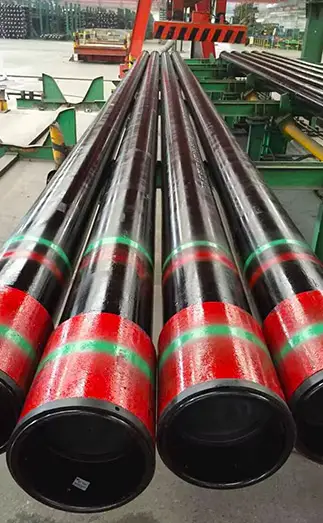
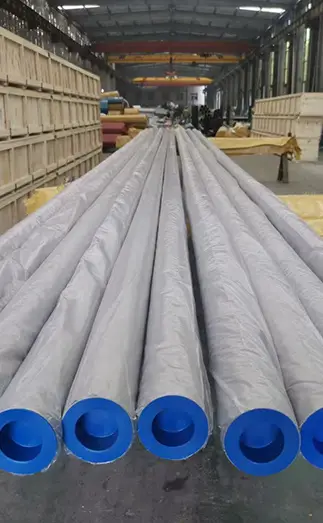
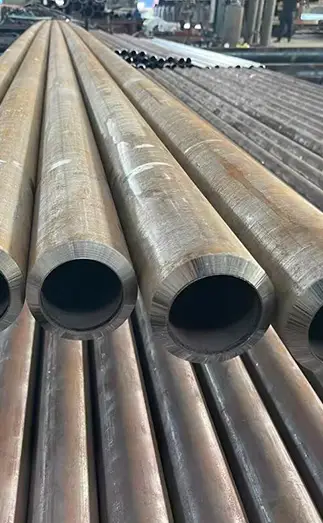
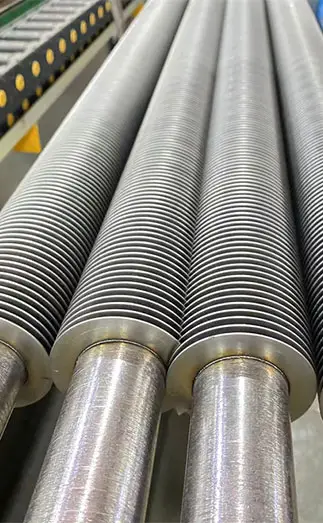
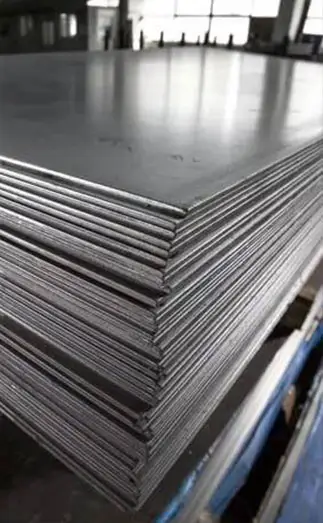
Carbon steel plate—also known as carbon steel sheet—refers to a steel product primarily composed of iron and carbon, with low to medium-high carbon content and without significant alloying additions. Common international standards include ASTM A36 (equivalent to EN S235JR) and ASTM A572 Grade 50 (HSLA). Based on application requirements and manufacturing routes, carbon steel plates are produced as hot-rolled plates, medium-thick plates, and cold-rolled plates, with thicknesses ranging from a few millimeters to several hundred millimeters.
Due to their excellent balance of strength, weldability, cost efficiency, and processing flexibility, carbon steel plates are used extensively across multiple industries. Below are the major application fields and their representative uses.
What Is Carbon Steel Plate Used For?
Construction and Infrastructure
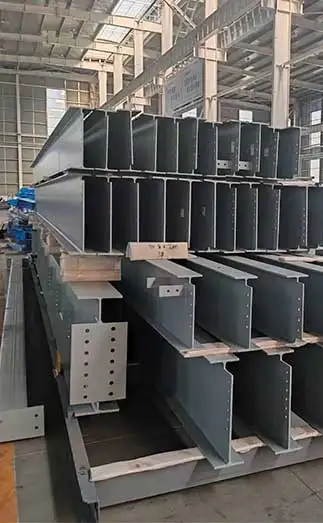
Carbon steel sheet is a fundamental material in modern structural engineering. It provides the strength and formability required for high-rise building frames, bridge girders, and plant structures. Grades such as Q235B and Q345B are commonly used in core tubes and large supporting structures. For instance, the Shanghai Tower consumed more than 100,000 tons of carbon steel. In bridge engineering, the Golden Gate Bridge in the United States utilizes A36 carbon steel, which, combined with weather-resistant coatings, supports a service life exceeding 50 years.
Machinery Manufacturing and Automotive Industry
Machinery manufacturing is one of the largest consumers of carbon steel plates. 50Mn plates, with high strength and excellent toughness, are selected for excavator buckets, loader buckets, gears, and shafts. Grade 45 steel, after quenching and tempering, achieves a hardness of HRC22–28 and is widely used for drive shafts and precision gears.
In the automotive industry, low-carbon steel DC04 is used for external body panels, while high-strength steel HC340LA is applied in suspension and structural components, providing a 30% strength increase with approximately 15% weight reduction.
Shipbuilding and Marine Engineering
Carbon steel plate is an essential structural material for ships. Typical grades include 2C, 3C, 4C, 5C, and low-alloy steels such as 12MnC and 16MnC, often in thicknesses from 2.5 to 50 mm. These plates must maintain strength, toughness, corrosion resistance, and weldability under wave impacts and harsh marine conditions.
Energy Industry and Pressure Vessels
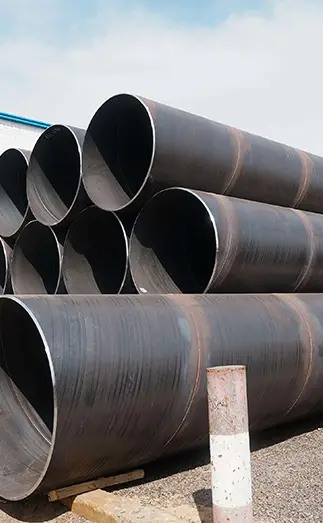
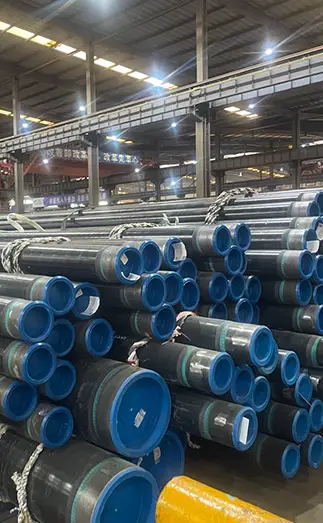
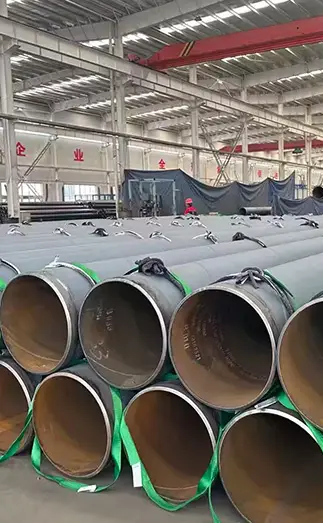
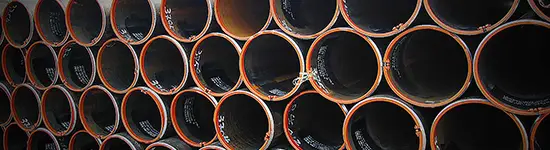
Advanced carbon steel plates play a key role in energy and petrochemical sectors. X80 pipeline steel (yield strength 550 MPa) is used in long-distance oil and gas transmission, where a 20 mm wall thickness can withstand roughly 15 MPa of pressure. S355NL remains tough (27J impact at -50℃) and is applied in wind turbine towers. For nuclear equipment, SA508 Gr.3 pressure vessel steel is utilized due to its ultra-low sulfur content and excellent radiation resistance.
Home Appliances and Consumer Goods
The home appliance industry extensively uses carbon steel and galvanized steel sheets. Refrigerator shells commonly adopt DX51D+Z galvanized steel (0.6 mm), which provides significantly higher corrosion resistance than ordinary steel. Kitchen utensils often use 430 stainless steel, which costs about 60% of the price of 304 while still offering good performance.
General Industrial Applications and Structural Components
Carbon steel plates support manufacturing of a wide range of equipment such as frames, supports, storage tanks, conveyors, protective guards, tools, and industrial components. Low-carbon steel is suitable for mass-produced welded products; medium-carbon steel is used for load-bearing and mechanical components; high-carbon steel is ideal for wear-resistant applications.
Conclusion
Carbon steel plate remains an indispensable material in modern industrial development. Its combination of strength, durability, versatility, and affordability makes it essential in construction, transportation, shipbuilding, pipeline engineering, machinery production, home appliances, and numerous structural applications worldwide.
FAQ
What is the difference between carbon steel plate and alloy steel plate?
Carbon steel plate contains minimal alloying elements, while alloy steel includes elements such as chromium, nickel, or molybdenum to enhance specific properties.
Is carbon steel plate suitable for welding?
Yes. Most carbon steel grades exhibit very good weldability, especially low- and medium-carbon steels.
What factors affect the price of carbon steel plate?
Key factors include raw material costs, production method (hot-rolled vs. cold-rolled), steel grade, thickness, and global supply-demand conditions.
Which industries use the most carbon steel plate?
Construction, machinery manufacturing, shipbuilding, automotive, energy, and general industrial equipment are the major consumers.


 English
 Español
 Français
 بالعربية