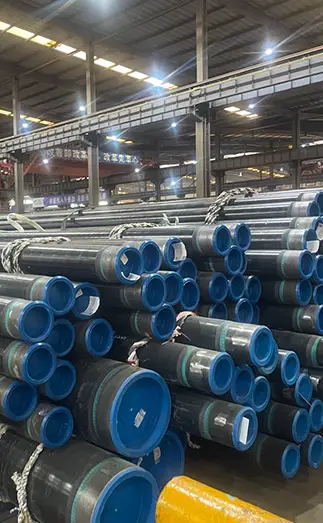
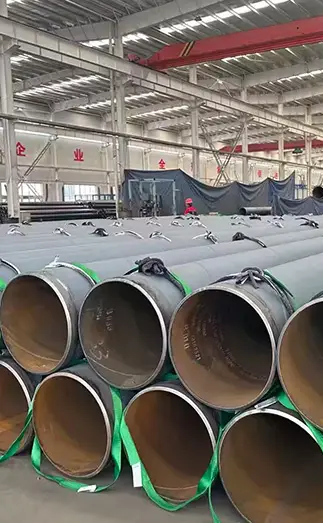
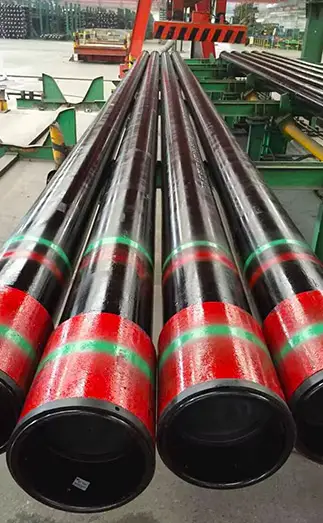
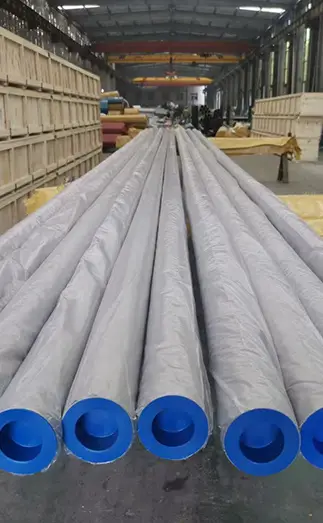
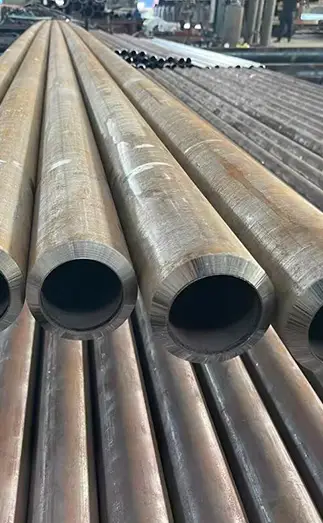
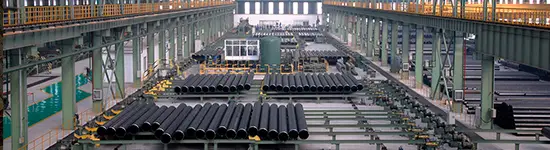
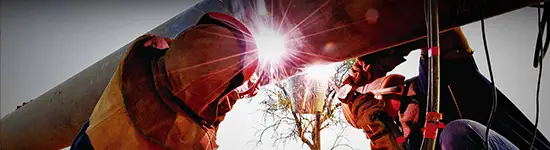
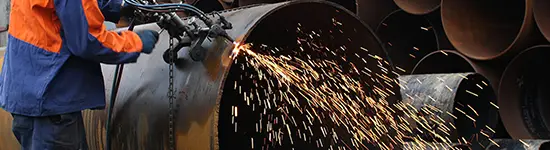
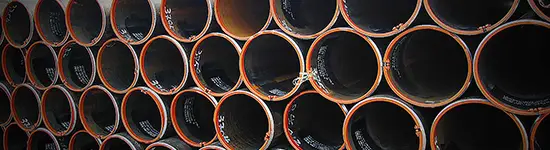
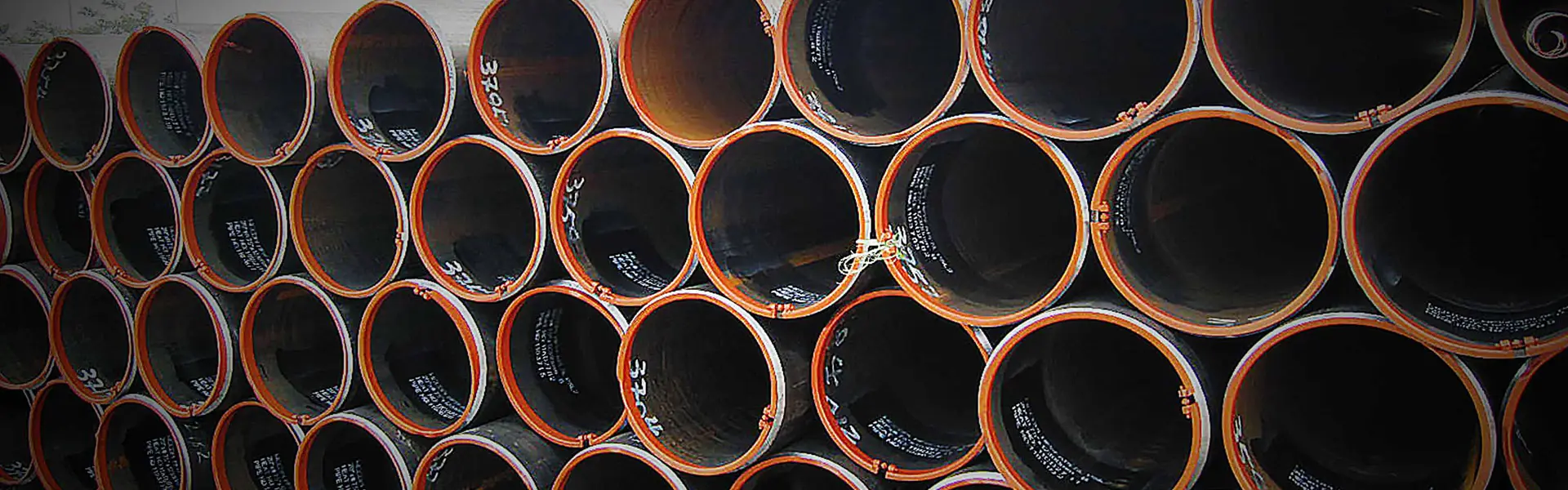
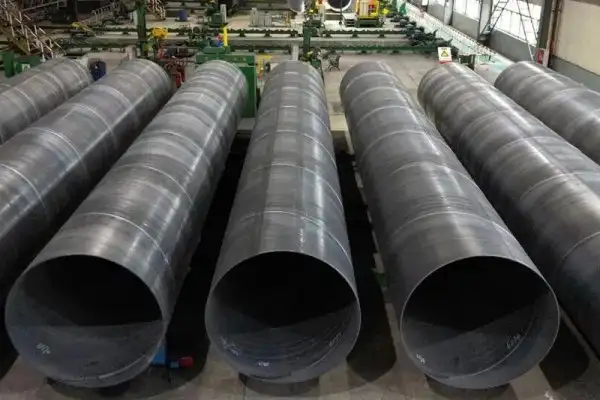
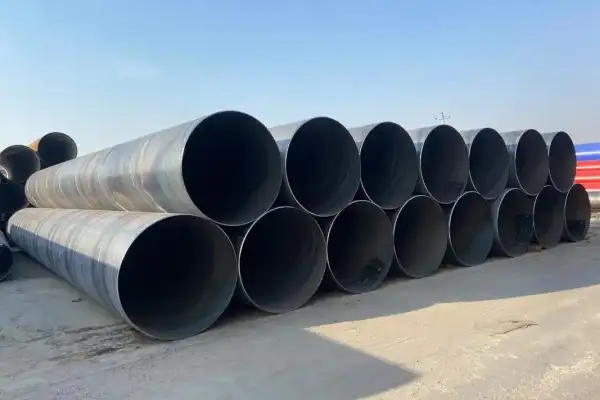
Boiler steel pipes are specialized seamless steel tubes used in boiler systems, including superheaters, reheaters, economizers, and water-cooled wall tubes. These pipes must withstand high temperature, high pressure, and corrosive environments, making strict control of materials and manufacturing processes essential.
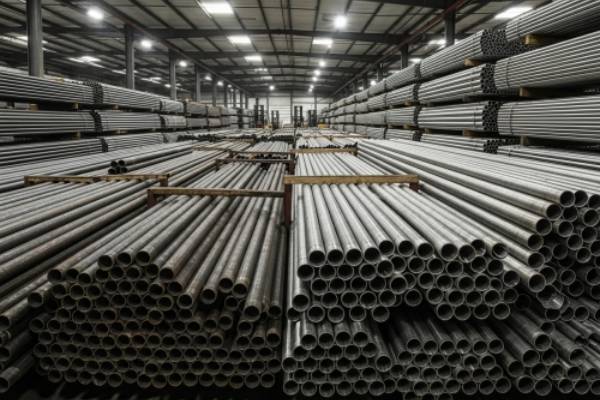
What Are the Production Methods for Boiler Steel Pipes?
Boiler steel pipes are generally manufactured using seamless steel pipe production processes, but with stricter material and performance requirements.
1. Raw Material Selection
High-quality steel billets are selected based on the required service conditions.
Common materials include:
Carbon structural steels: 10#, 20#
Alloy steels: 12Cr1MoVG, 15CrMo, etc.
The chemical composition must meet strict standards to ensure high temperature strength and long-term stability.
2. Seamless Pipe Forming Process
Boiler tubes are typically produced using standard seamless pipe forming methods such as:
Hot rolling
Cold drawing
Hot extrusion
These processes form the billet into a hollow tube with controlled outer diameter and wall thickness.
3. Heat Treatment
Heat treatment is a critical step to achieve the required mechanical properties. Common treatments include:
Normalizing
Quenching and tempering
Annealing
Proper heat treatment ensures strength, toughness, and creep resistance.
4. Mechanical and Performance Testing
Boiler steel pipes must meet strict testing requirements, including:
Tensile strength
Yield strength
Elongation
Hardness
Impact toughness
High-temperature performance
These indicators ensure the pipes can safely operate in high-temperature and high-pressure boiler environments.
Types of Boiler Steel Pipes
Boiler tubes are generally classified according to their operating temperature and pressure conditions.
- General Boiler Steel Pipes
Operating temperature: below 350 °C
Typical materials: 10#, 20# carbon steel
Production methods: hot-rolled or cold-drawn seamless pipes
Applications include low-pressure boilers and heating pipelines.
- High-Pressure Boiler Steel Pipes
These pipes operate in high-temperature and high-pressure environments.
Under exposure to high-temperature flue gas and steam, pipes may experience:
Oxidation
Corrosion
Creep deformation
Therefore, high-pressure boiler pipes must have:
High creep strength
Excellent oxidation resistance
Strong corrosion resistance
Long-term structural stability
Common Problems in Boiler Steel Pipes and Their Solutions
During installation or fabrication, wall thickness inconsistencies may occur. Several engineering solutions can be used to compensate.
1. Wall Thickness Adjustment
If the pipe wall thickness does not meet the required specification, the issue can be corrected by:
Local thickening
Machining or grinding adjustments
2. Use of High-Strength Bolts and Washers
When connecting pipes with uneven wall thickness:
High-strength bolts
Compensating washers
can be used to balance the thickness difference and maintain structural stability.
3. Welding Compensation
Another common solution is welding reinforcement.
By adding weld material in specific areas, engineers can:
compensate for wall thickness differences
meet design requirements
improve connection reliability
FAQ
1. What is a boiler steel pipe?
A boiler steel pipe is a seamless steel tube designed for use in boiler systems, capable of withstanding high temperature, pressure, and corrosive environments.
2. Why are seamless pipes used for boilers?
Seamless pipes have no weld seams, providing better pressure resistance, structural integrity, and safety under extreme operating conditions.
3. What materials are commonly used for boiler tubes?
Common materials include 10#, 20#, 12Cr1MoVG, and 15CrMo, depending on the operating temperature and pressure requirements.
4. What is the difference between general and high-pressure boiler pipes?
General boiler pipes operate below 350 °C, while high-pressure boiler pipes are designed for high temperature and high pressure environments, requiring stronger creep and oxidation resistance.


 English
 Español
 Français
 بالعربية