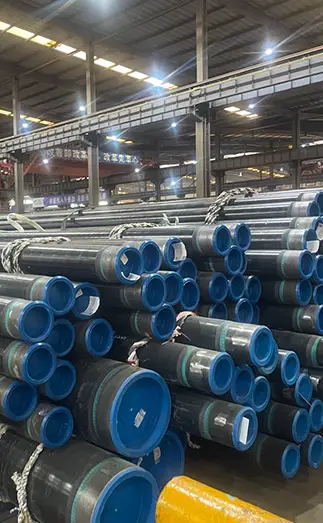
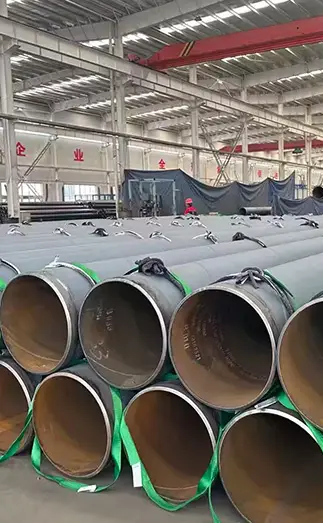
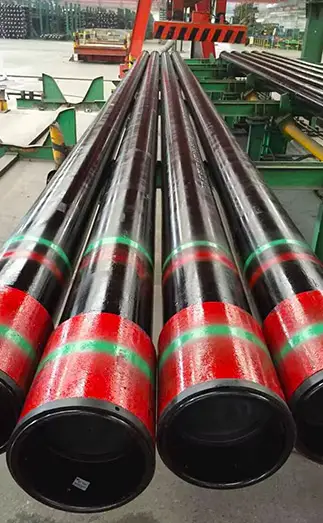
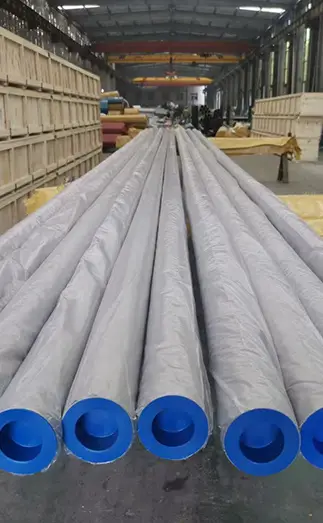
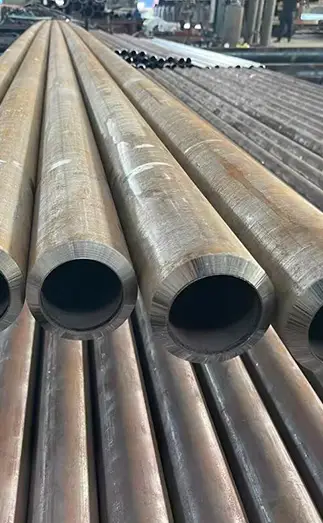
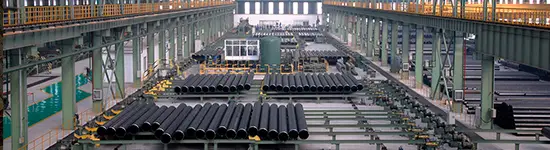
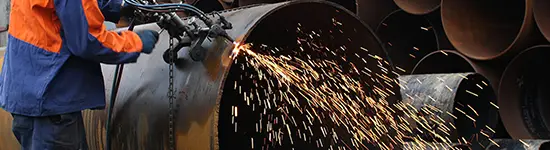
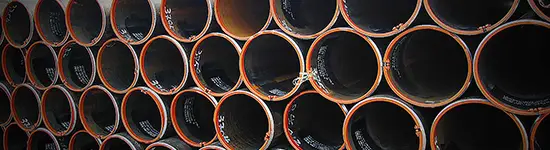
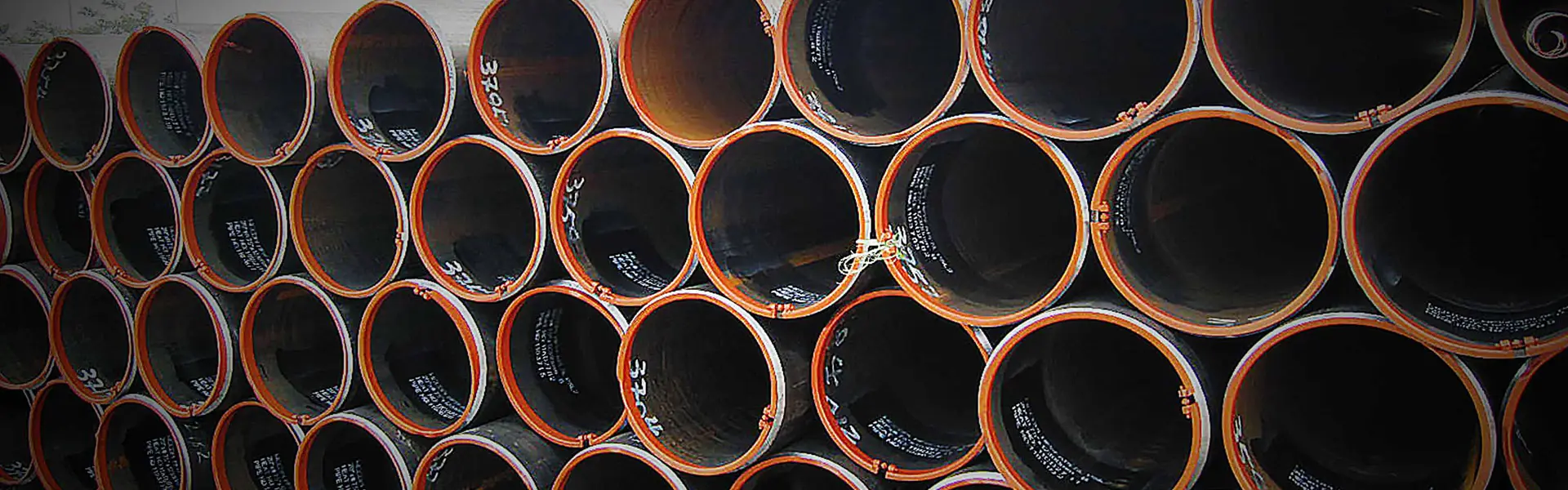
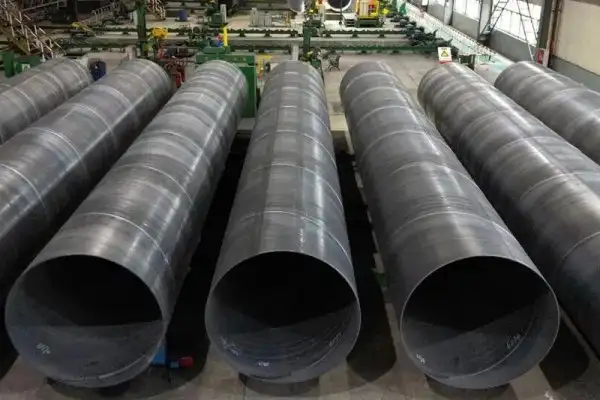
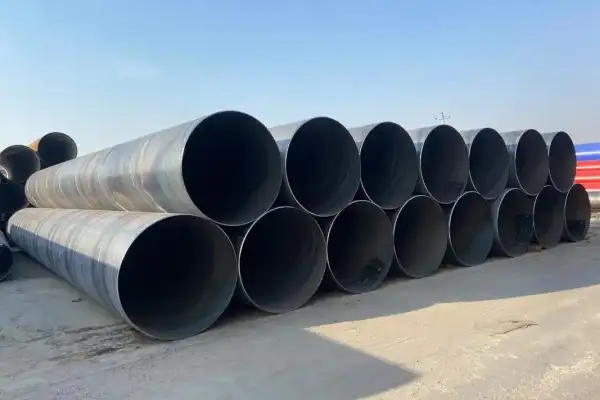
Industrial boiler tubes are typically manufactured according to international standards such as ASTM, ASME, EN, and GB. These standards specify the material grades, chemical composition, mechanical properties, dimensions, and testing requirements for boiler tubes used in high-temperature and high-pressure environments.
Common standards include ASTM A192, ASTM A210, ASTM A213, ASME SA192, and EN 10216-2, which ensure the safety and reliability of boiler systems used in power plants, petrochemical facilities, and industrial heating equipment.
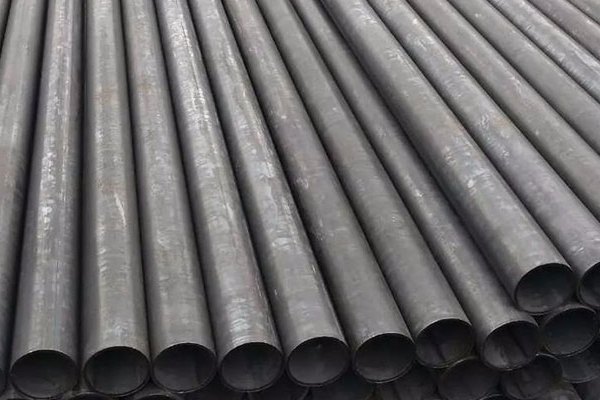
1. What Are Industrial Boiler Tubes?
Industrial boiler tubes are high-performance steel tubes used in boilers, heat exchangers, superheaters, and pressure vessels. They must withstand:
High temperature
High pressure
Corrosive combustion gases
Long-term thermal stress
Most boiler tubes are manufactured as seamless steel pipes to ensure structural integrity and pressure resistance.
Typical applications include:
power plant boilers
industrial steam boilers
petrochemical heating systems
waste heat recovery boilers
2. Major International Standards for Boiler Tubes
Industrial boiler tubes are produced according to several widely recognized standards.
|
Standard
|
Description
|
Typical Application
|
|
ASTM A192
|
Seamless carbon steel boiler tubes
|
High-pressure boilers
|
|
ASTM A210
|
Medium-carbon steel boiler tubes
|
Superheaters and boiler tubes
|
|
ASTM A213
|
Alloy and stainless steel tubes
|
High-temperature boilers
|
|
ASME SA192
|
Boiler tubes for pressure vessels
|
Power plant boilers
|
|
EN 10216-2
|
Seamless tubes for pressure purposes
|
European boiler systems
|
|
GB 5310
|
High-pressure boiler tubes
|
Power station boilers
|
These standards define chemical composition, mechanical properties, dimensional tolerances, and inspection requirements.
3. Typical Dimensions of Industrial Boiler Tubes
Boiler tubes are produced in a range of sizes depending on the design of the boiler system.
|
Parameter
|
Typical Range
|
|
Outer Diameter (OD)
|
12 mm–219 mm
|
|
Wall Thickness
|
2 mm–25 mm
|
|
Length
|
6 m–12 m or customized
|
Small-diameter tubes are commonly used for:
superheater tubes
reheater tubes
economizer tubes
4. Common Materials Used for Boiler Tubes
The material selection depends mainly on operating temperature and pressure conditions.
Carbon Steel Boiler Tubes
Common grades include:
ASTM A192
ASTM A210 Grade A1 / C
These materials are suitable for moderate temperature boiler applications.
Alloy Steel Boiler Tubes
For higher temperatures, alloy steels are used, such as:
ASTM A213 T11
ASTM A213 T22
ASTM A213 T91
These materials provide improved creep resistance and oxidation resistance.
5. Key Technical Requirements for Boiler Tubes
To ensure safe operation, industrial boiler tubes must meet strict technical requirements.
Mechanical Properties
Typical requirements include:
tensile strength
yield strength
elongation
creep resistance
Chemical Composition Control
Precise control of alloying elements ensures:
high temperature strength
corrosion resistance
long service life
Non-Destructive Testing
Boiler tubes usually undergo several inspections:
ultrasonic testing (UT)
eddy current testing (ECT)
hydrostatic testing
visual inspection
6. Why Standards Are Important for Boiler Tubes
Standard specifications ensure that boiler tubes provide:
safe pressure resistance
long-term durability under heat
compatibility with international boiler systems
consistent product quality
Using standardized tubes reduces operational risks and maintenance costs in industrial boilers.
FAQ
1. What are the most common standards for boiler tubes?
Common standards include ASTM A192, ASTM A210, ASTM A213, EN 10216-2, and GB 5310.
2. Are boiler tubes seamless or welded?
Most boiler tubes are seamless steel pipes to ensure high pressure resistance and structural integrity.
3. What materials are used for high-temperature boiler tubes?
High-temperature applications typically use alloy steels such as T11, T22, or T91.
4. What size range do boiler tubes usually have?
Boiler tubes typically have OD from 12 mm to 219 mm with various wall thickness options.
5. Where are industrial boiler tubes used?
They are used in power plants, industrial boilers, heat exchangers, and petrochemical heating systems.


 English
 Español
 Français
 بالعربية