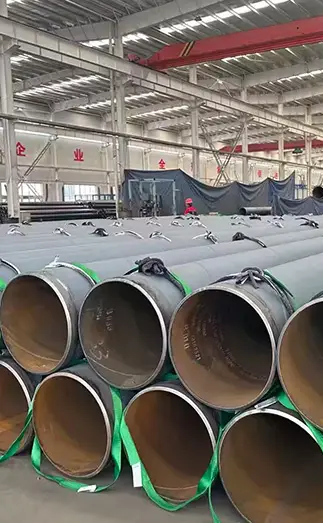
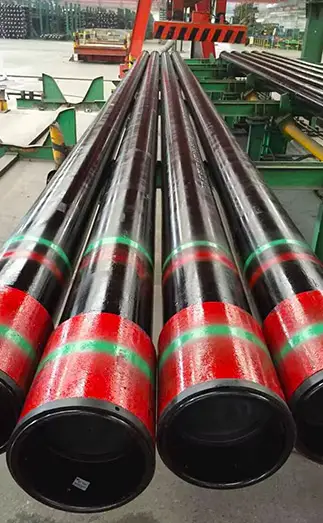
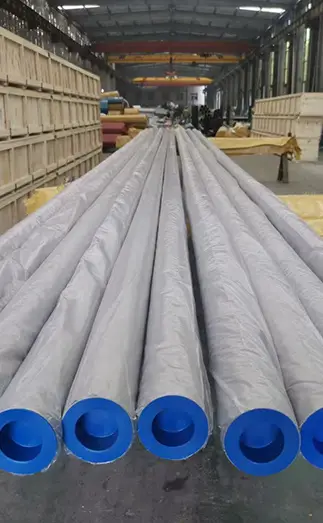
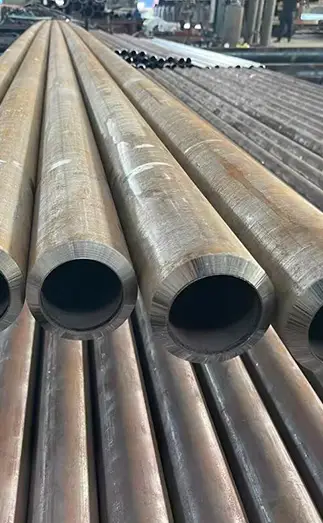
EN 10220 is a European standard that specifies the dimensions and theoretical mass of steel pipes, including both seamless and welded steel pipes. It focuses on outer diameter (OD), wall thickness, and weight per meter, rather than material composition or mechanical properties.
What Does EN 10220 Cover?
EN 10220 standardizes the dimensional system of steel pipes, including:
Outside Diameter (OD)
Wall Thickness
Theoretical Weight per Meter
Preferred Size Series
It applies to:
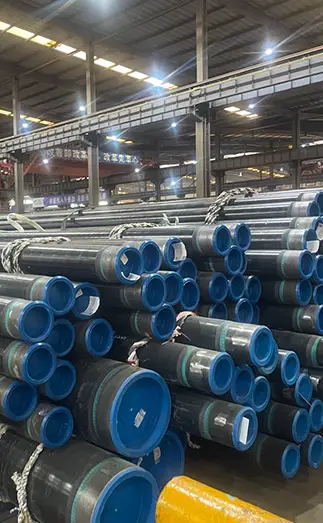
Seamless steel pipes
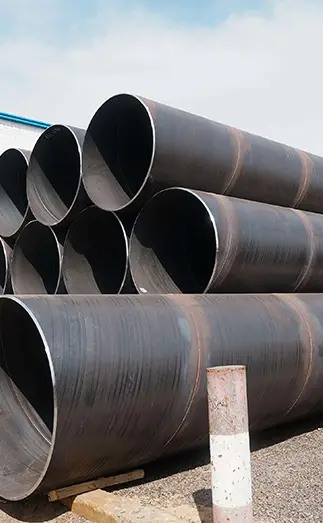
Welded steel pipes
Unlike material standards, EN 10220 ensures dimensional consistency and interchangeability across different manufacturers and projects.
Global Application of EN 10220
EN 10220 is widely adopted in:
Europe
Middle East
Asia
International engineering projects
It is commonly used in:
Oil and gas transportation
Structural and construction engineering
Mechanical manufacturing
Power plants and boiler systems
Chemical processing pipelines
Because it defines a unified dimension system, EN 10220 is typically used together with material standards that specify steel grades and performance.
Related European Pipe Standards
EN 10220 works in coordination with other key European standards:
EN 10216 – Seamless steel tubes for pressure purposes
EN 10217 – Welded steel tubes for pressure purposes
EN 10219 – Cold-formed welded structural hollow sections
EN 10210 – Hot-finished structural hollow sections
Together, these standards ensure full compatibility between dimensions, materials, and applications.
EN 10220 Standard Pipe Size Chart
|
OD (mm)
|
WT (mm)
|
Theoretical Weight (kg/m)
|
|
21.3
|
2.0
|
0.98
|
|
21.3
|
2.6
|
1.23
|
|
26.9
|
2.3
|
1.36
|
|
26.9
|
2.9
|
1.66
|
|
33.7
|
2.6
|
1.98
|
|
33.7
|
3.2
|
2.39
|
|
42.4
|
2.6
|
2.54
|
|
42.4
|
3.2
|
3.07
|
|
48.3
|
2.9
|
3.23
|
|
48.3
|
3.6
|
3.96
|
|
60.3
|
3.2
|
4.49
|
|
60.3
|
4.0
|
5.54
|
|
76.1
|
3.6
|
6.26
|
|
76.1
|
4.5
|
7.71
|
|
88.9
|
4.0
|
8.38
|
|
88.9
|
5.6
|
11.5
|
|
114.3
|
4.5
|
12.2
|
|
114.3
|
6.3
|
16.9
|
|
139.7
|
5.0
|
16.6
|
|
139.7
|
6.3
|
20.6
|
|
168.3
|
6.3
|
24.7
|
|
168.3
|
8.0
|
31.3
|
|
219.1
|
6.3
|
32.3
|
|
219.1
|
8.2
|
41.6
|
|
273.0
|
6.3
|
40.3
|
|
273.0
|
9.3
|
58.6
|
|
323.9
|
6.3
|
47.9
|
|
323.9
|
10.0
|
75.6
|
EN 10220 Pipe Dimension System
Core Components of the Standard
1. Size Series Definition
Defines standardized pipe sizes based on outer diameter (OD), enabling consistent selection of pipes and fittings.
2. Theoretical Weight Calculation
Provides a unified formula based on:
OD
Wall thickness
Steel density (typically 7.85 kg/dm³)
3. Dimensional Tolerances
Specifies allowable deviations for:
Outer diameter
Wall thickness
Ovality
Applicable to both seamless and welded pipes across different size ranges.
4. Reference Dimension Tables
Includes commonly used pipe sizes and corresponding theoretical weights.
These tables are reference-based, not strict product specifications (unlike EN 10210-2 or EN 10219-2).
Seamless vs Welded Pipes Under EN 10220
Although EN 10220 applies to both pipe types, their manufacturing processes, structure, and applications differ significantly.
1. Manufacturing Process
Seamless pipes: Produced by piercing and rolling solid billets; no weld seam
Welded pipes: Formed from steel plates or coils and joined by welding
2. Structural Characteristics
Seamless pipes: Uniform structure, no weld seam
Welded pipes: Contain longitudinal or spiral weld seams
3. Performance
Seamless pipes: Better suited for high-pressure and high-temperature environment
Welded pipes: Provide reliable performance for general industrial and structural use
4. Size Range
Seamless pipes: Typically small to medium diameters
Welded pipes: Can be produced in larger diameters
5. Typical Applications
Seamless pipes: Oil & gas drilling, boilers, power plants
Welded pipes: Water pipelines, construction structures, infrastructure projects
Why EN 10220 Matters
EN 10220 plays a critical role in global projects by:
Ensuring dimensional standardization
Enabling cross-supplier compatibility
Supporting engineering design consistency
Simplifying procurement and specification processes
FAQ
1. What is EN 10220 used for?
It defines the dimensions and theoretical weight of steel pipes.
2. Does EN 10220 specify material grades?
No, it only covers dimensions, not chemical composition or mechanical properties.
3. Does EN 10220 apply to welded pipes?
Yes, it applies to both seamless and welded steel pipes.
4. What industries use EN 10220?
Oil & gas, construction, power plants, and chemical processing.
5. How is EN 10220 different from EN 10216 or EN 10217?
EN 10220 defines dimensions, while EN 10216/10217 define materials and performance.


 English
 Español
 Français
 بالعربية