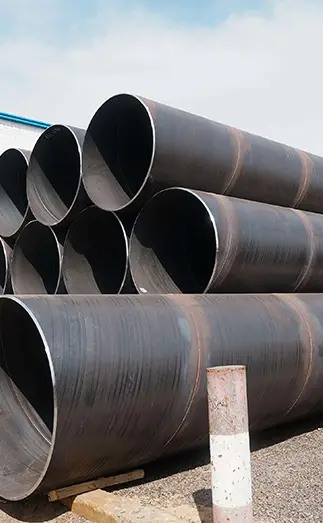
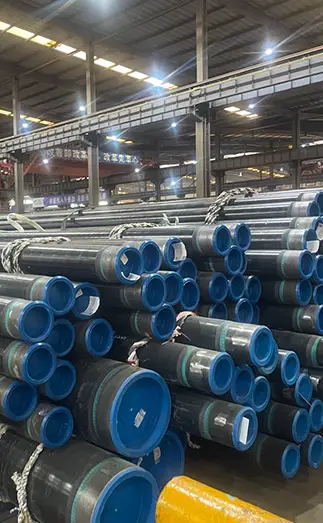
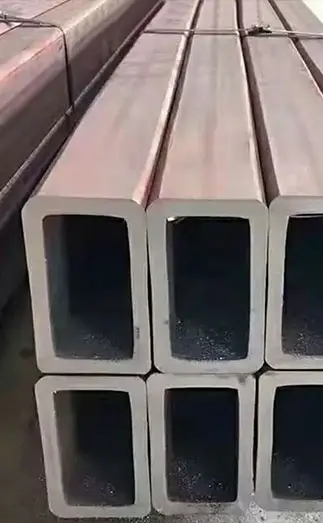
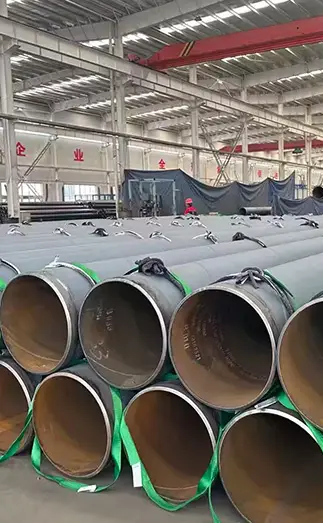
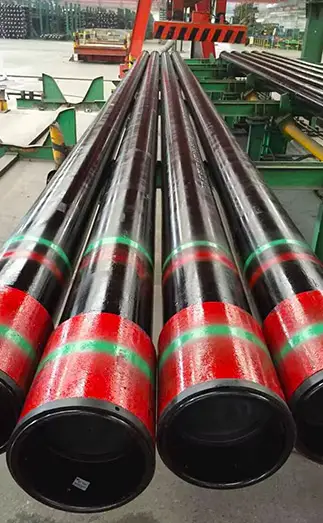
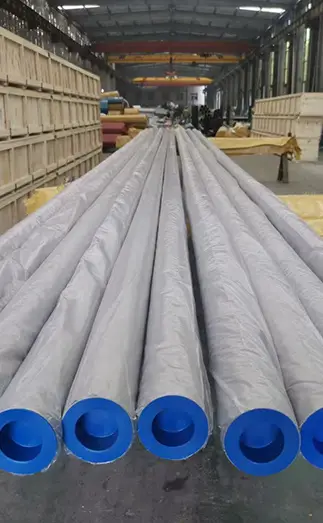
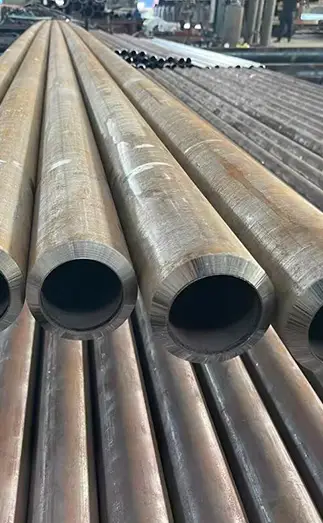
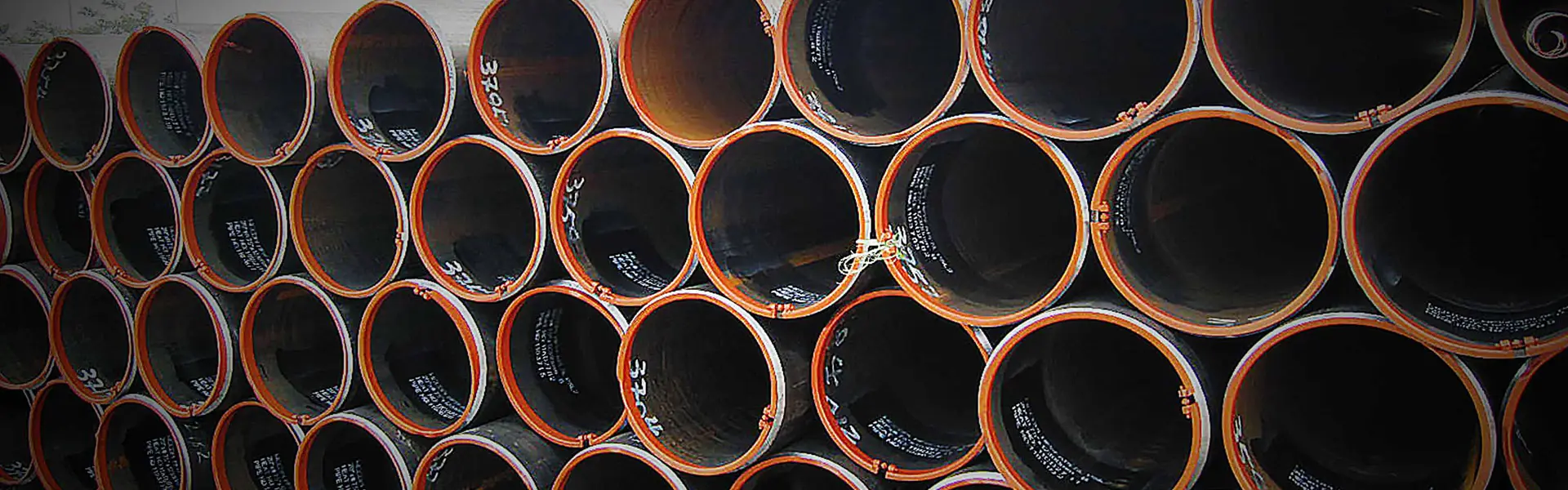
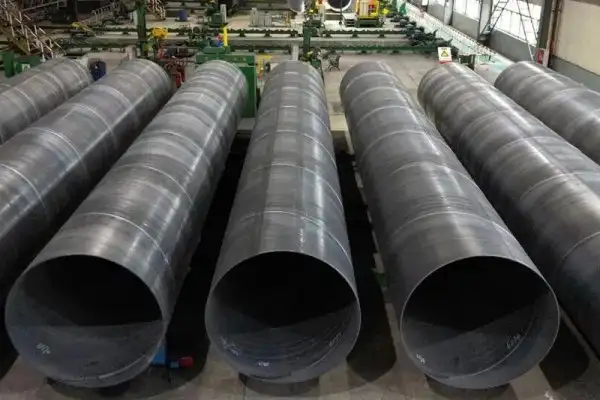
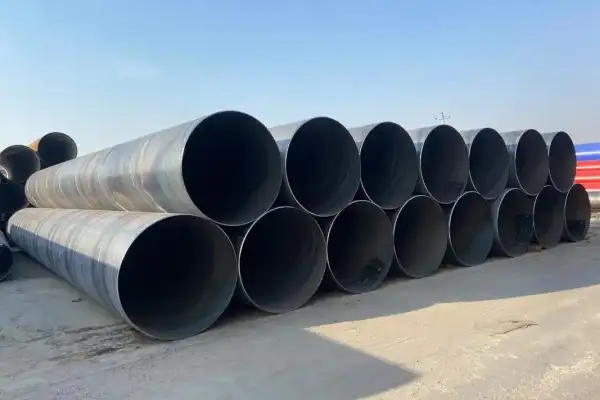
Welded steel pipes can be used in steam boiler systems, but only under specific operating conditions and strict compliance with applicable technical standards. In boiler engineering design, a widely accepted principle is followed:
Seamless steel pipes must be used for high-temperature, high-pressure, and safety-critical components, while welded pipes may be used for medium- and low-pressure auxiliary sections.
This principle ensures that pipe materials match the pressure level, temperature conditions, and operational risks of each part of the boiler system.
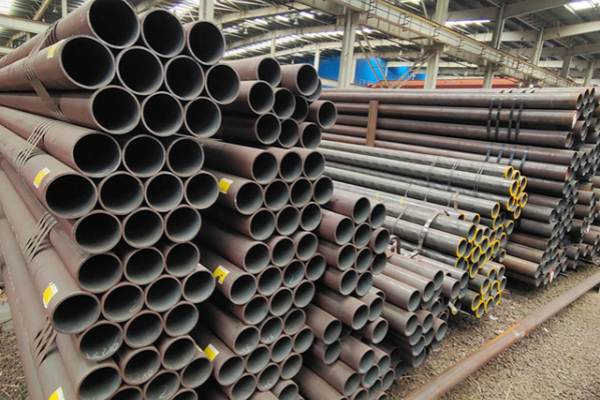
Standards Governing the Use of Welded Boiler Pipes
Several international and national standards define where welded pipes can be used in boiler and heat-exchange equipment.
Common standards include:
ASTM A178 / ASME SA-178
Resistance-welded carbon steel and carbon-manganese steel boiler tubes used in medium- and low-pressure environments such as flue tubes, economizers, and heat-exchange tubes.
ASTM A214 / ASME SA-214
Electric-resistance-welded carbon steel tubes used in condensers, heat exchangers, and other non-fire-side pressure components.
SA-178 Grades A, C, and D
Strength-graded welded tubes commonly used in industrial and commercial boiler systems.
EN 10217
A major European standard covering welded steel pipes for pressure service, corresponding to the seamless pipe standard EN 10216.
GB/T 28413
Chinese national standard specifying welded tubes for boiler heat-exchange components.
However, for high-temperature pressure components such as superheaters or main steam pipelines, standards typically require seamless tubes such as those produced under ASTM A213 or ASTM A335.
Limitations of Welded Pipes in High-Temperature Boiler Systems
1. Weld Seams Are Structural Weak Points
Welded pipes contain longitudinal weld seams. Under high temperature and pressure conditions, the weld area may experience:
Microstructural differences between the weld metal and base metal
Heat-affected zone (HAZ) property variations
Residual welding stresses that combine with operating stresses
These factors increase the risk of creep damage or long-term fatigue failure in high-temperature service.
2. Material and Metallurgical Constraints
Main steam pipelines in power plant boilers typically use high-temperature alloy steels such as:
15CrMoG
12Cr1MoVG
P91
P92
These materials require strict welding control and advanced heat treatment procedures. For example:
15CrMoG and 12Cr1MoVG have limited weldability.
P92 martensitic steel requires strict preheating (around 200–300°C) and post-weld heat treatment.
Because welded pipe manufacturing cannot easily guarantee consistent high-temperature creep strength in these alloys, these materials are usually supplied as seamless pipes.
3. Mandatory Requirements in Boiler Standards
Several standards explicitly restrict welded pipes in critical boiler components.
For example:
GB/T 5310 specifies that high-pressure boiler components such as superheaters, reheaters, and main steam pipelines must use seamless steel tubes.
GB/T 28413 applies primarily to heat-exchange tubes such as economizers, water-cooled walls, and low-temperature superheater sections.
Practical Selection Guidelines
In engineering practice, pipe selection is usually determined by pressure and temperature levels.
Welded steel pipes can be used when:
Operating pressure ≤ 6.4 MPa
Operating temperature ≤ 450°C
Non-critical boiler piping (economizers, flue tubes, heat exchangers)
Seamless steel pipes must be used when:
Pressure exceeds 6.4 MPa
Temperature exceeds 450°C
The pipe belongs to the main steam, superheater, or reheater system
Conclusion
Welded pipes, including ERW and other standard-compliant welded tubes, can be safely used in steam boiler systems when applied to medium- or low-pressure sections such as economizers and heat-exchange tubes.
However, for high-temperature and high-pressure core components—especially superheaters, reheaters, and main steam pipelines—international engineering standards require seamless steel pipes to ensure long-term safety, creep resistance, and structural reliability.
FAQ
1. Can welded pipes be used in steam boiler systems?
Yes. Welded pipes can be used in steam boiler systems, but mainly in medium- and low-pressure sections such as economizers, flue tubes, and heat exchanger tubing.
2. Why are seamless pipes required for main steam pipelines?
Main steam pipelines operate under high temperature and high pressure, and seamless pipes provide better structural integrity because they do not contain weld seams, reducing the risk of creep failure.
3. What standards regulate welded boiler tubes?
Common standards include ASTM A178, ASTM A214, EN 10217, and GB/T 28413.
4. At what pressure and temperature are welded pipes typically acceptable in boilers?
Welded pipes are generally acceptable when operating pressure is ≤ 6.4 MPa and temperature is ≤ 450°C, and the pipe is not part of the main steam or superheater system.
5. Which boiler components require seamless steel pipes?
Critical components such as superheaters, reheaters, and main steam pipelines must use seamless pipes produced under standards like GB/T 5310.


 English
 Español
 Français
 بالعربية