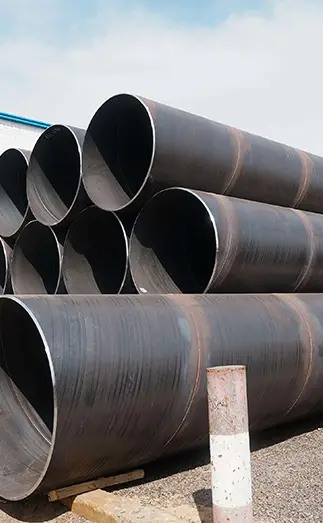
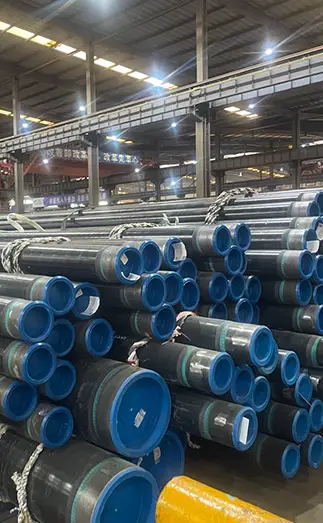
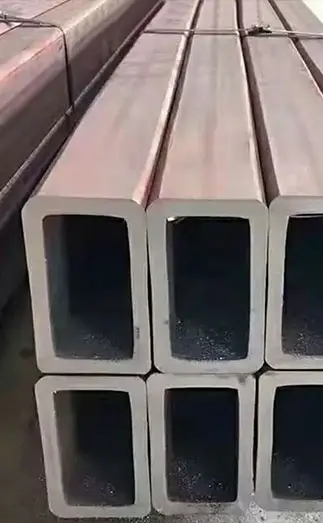
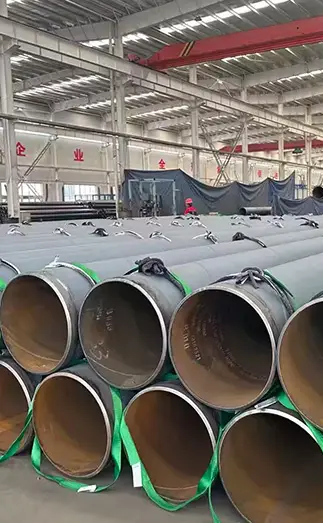
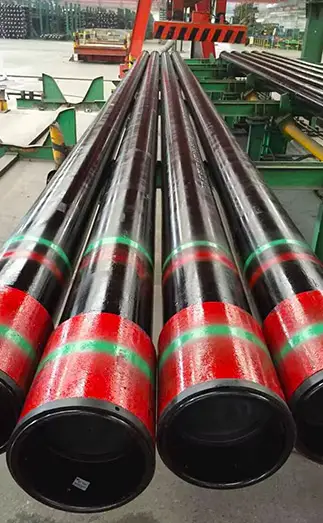
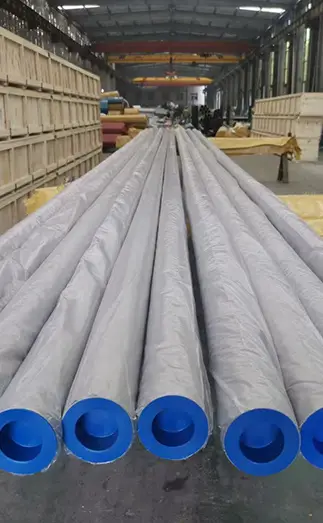
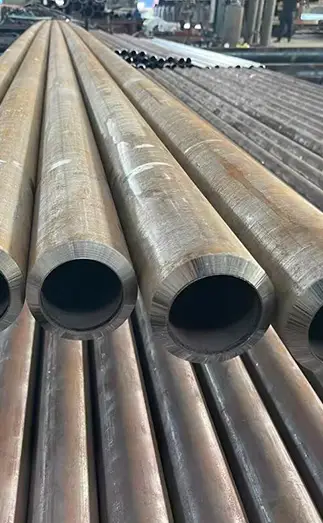
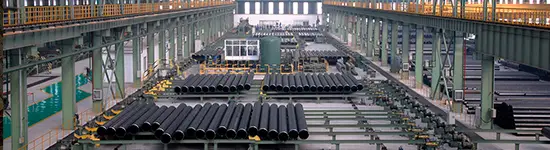
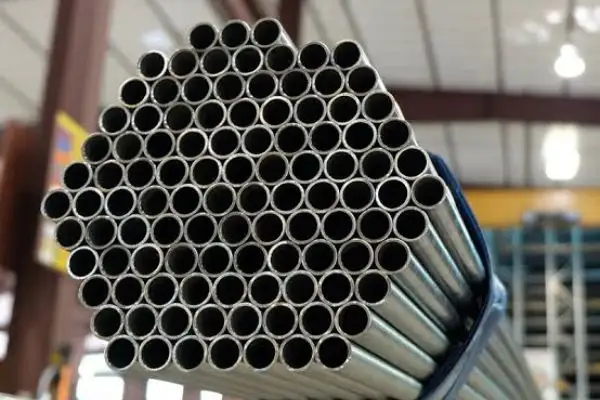
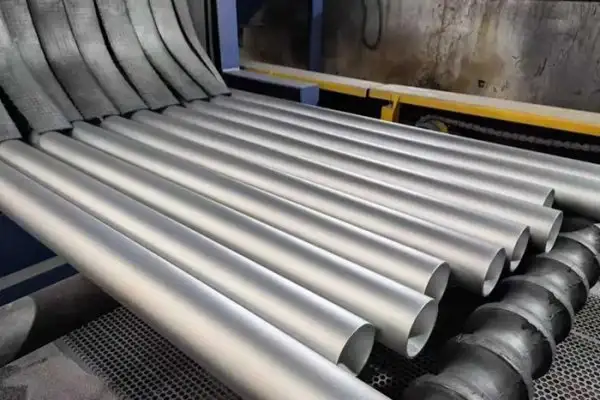
Small-diameter seamless steel tubes for high-pressure boilers (typically ≤89 mm OD) are critical materials used in the heating surface systems of power plant and industrial boilers. Designed for long-term service under ≥9.8 MPa pressure and 450–650°C temperature, these tubes must deliver high creep strength, oxidation resistance, and dimensional precision.
They are widely applied in:
Superheater tubes
Reheater tubes
Water-cooled wall systems
Economizers
Main steam pipelines and headers
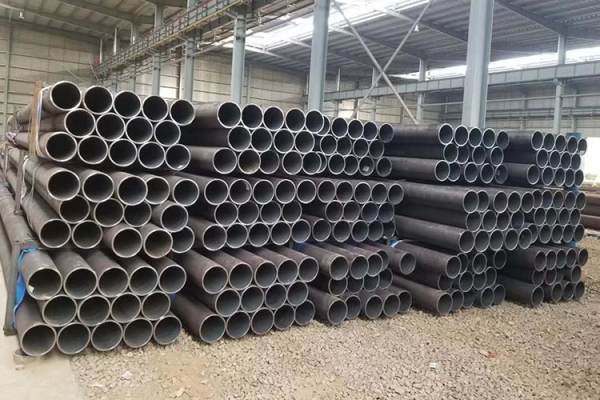
Designed for High-Temperature, High-Pressure Operation
Under sustained thermal stress and corrosive flue gas exposure, boiler tubes must maintain structural stability and pressure integrity.
Key operating parameters:
Working pressure: ≥9.8 MPa
Service temperature: 450–650°C
Long-term creep resistance required
Resistance to oxidation and steam corrosion
These conditions make material selection and manufacturing precision critically important.
Manufacturing Process Ensuring Precision
Small-diameter high-pressure boiler tubes are primarily produced by:
Cold drawing (primary method)
Cold rolling
Supplemented by hot rolling
Cold-drawing technology enables:
OD tolerance up to ±0.15–0.20 mm
Wall thickness deviation ≤ ±10%
Smooth internal surface for heat transfer efficiency
Each tube typically undergoes:
Ultrasonic testing (UT)
Eddy current testing (ET)
Hydrostatic pressure testing
Ensuring 100% non-destructive inspection compliance.
Common Size Range (≤89 mm Series)
Typical market specifications include:
16×3 mm
25×3 mm
32×4 mm
38×4.5 mm
42×5 mm
48×5 mm
51×5 mm
57×5 mm
60×5 mm
76×6 mm
89×12 mm
Procurement format: Outer Diameter × Wall Thickness (e.g., Φ38 × 4.5 mm)
Material Grades and International Standards
Material selection depends primarily on service temperature and design pressure.
Carbon Steel (≤450°C)
20G
20MnG
25MnG
ASME SA-192
ASME SA-210
Alloy Steel (450–650°C)
15CrMoG
12CrMoG
12Cr2MoG
12CrMoVG
ASME SA213 T11 / T12
T22 / P22
T91 / P91
T92 / P92
European & Chinese Standards
GB/T 5310
EN 10216-2
For ultra-supercritical units, high-alloy grades such as T91/P91 and T92/P92 are widely adopted to ensure long-term creep performance.
Core Advantages
1. High Creep Strength
Maintains mechanical stability during long-term exposure at 450–650°C.
2. Seamless Structural Integrity
Eliminates weld-related defects and enhances pressure-bearing reliability.
3. Strict Quality Assurance
100% NDT and hydrostatic testing guarantee internal soundness.
4. Microstructural Stability
Controlled heat treatment prevents pearlite spheroidization and graphitization during extended service.
5. Dimensional Precision
Cold-drawn tubes ensure accurate fit with tube sheets, flanges, and heat exchanger assemblies.
How to Select the Right Boiler Tube
Selection should be based on:
Applicable standard (ASME, GB, EN system)
Design temperature and pressure calculation
Corrosive medium conditions
Required service life
For projects operating above 600°C, alloy grades such as T91/P91 are strongly recommended.
Industry Outlook
As supercritical and ultra-supercritical power generation technologies continue to expand globally, demand for high-performance seamless boiler tubes with enhanced creep resistance and dimensional precision is expected to grow steadily.
Manufacturers are focusing on tighter tolerance control, improved metallurgical stability, and full-process quality traceability to meet international project standards.
FAQ
1. What is a small-diameter seamless boiler tube?
It is a seamless steel tube with outer diameter typically ≤89 mm, designed for high-pressure boiler heating systems such as superheaters, reheaters, and economizers, operating at ≥9.8 MPa and 450–650°C.
2. Why are seamless tubes preferred for high-pressure boilers?
Seamless tubes eliminate weld seams, reducing defect risks and improving pressure-bearing reliability under long-term high-temperature and high-stress conditions.
3. What standards apply to high-pressure boiler tubes?
Common standards include ASME SA213, GB/T 5310, and EN 10216-2.
4. What materials are used for 450–650°C service?
Alloy steels such as T11, T22, T91, and T92 are widely used due to their high creep strength and oxidation resistance at elevated temperatures.
5. How is the correct tube size selected?
Tube size is determined by design pressure, service temperature, and strength calculation. The procurement format is Outer Diameter × Wall Thickness (e.g., Φ38 × 4.5 mm).


 English
 Español
 Français
 بالعربية