What Is a DN800 Welded Steel Pipe?
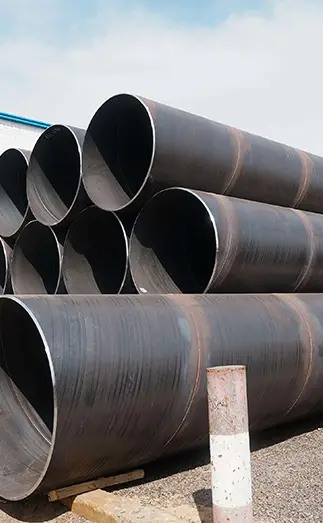
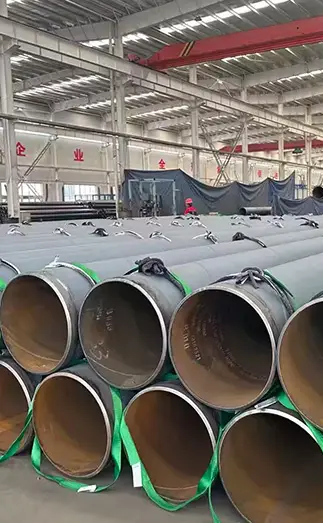
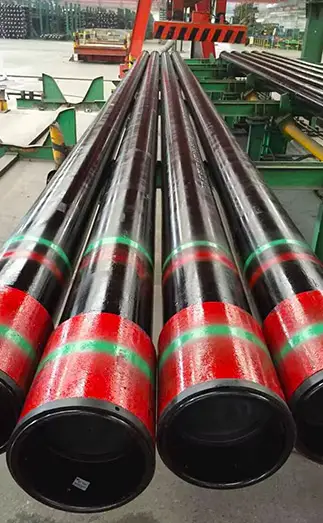
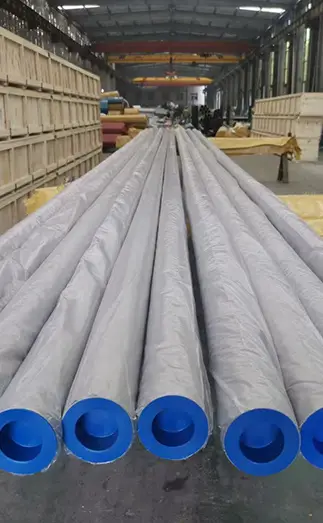
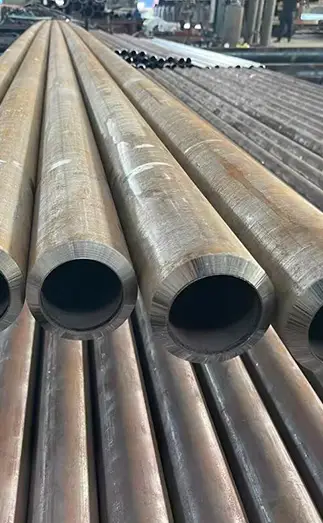
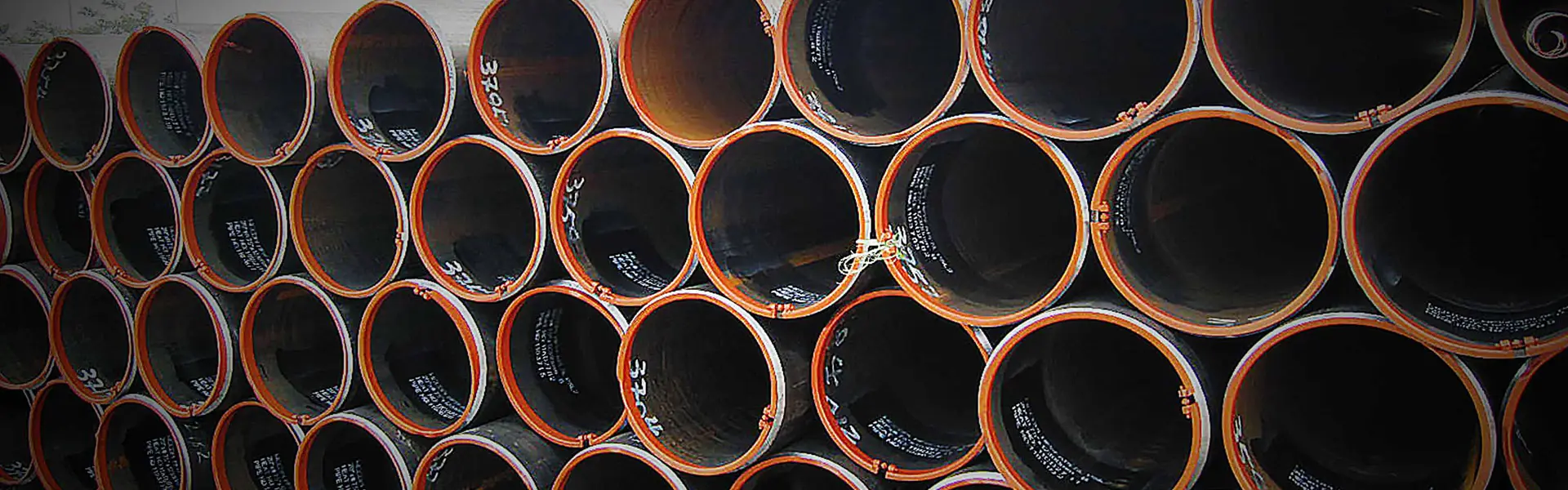
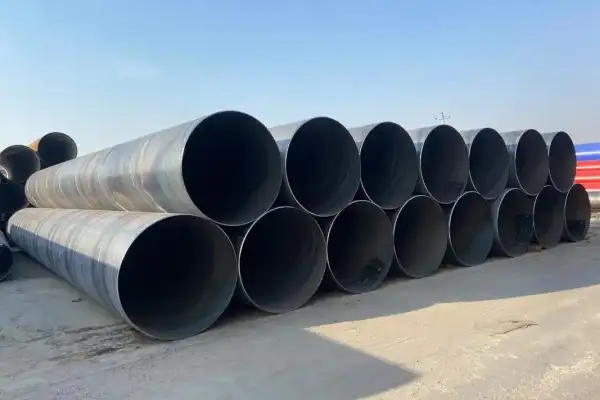
A DN800 welded steel pipe refers to a large-diameter pipe with a nominal diameter (DN) of 800 mm, widely used in municipal infrastructure, energy transmission, and heavy structural projects.
In most engineering standards, DN800 corresponds approximately to:
Outside diameter: ≈ 820 mm (depending on standard system)
Large-diameter welded structure
Designed for high-flow and high-load conditions
DN800 pipes are commonly manufactured according to international standards such as:
EN 10219
EN 10217
API 5L
ASTM A53
Manufacturing Process of DN800 Welded Steel Pipe
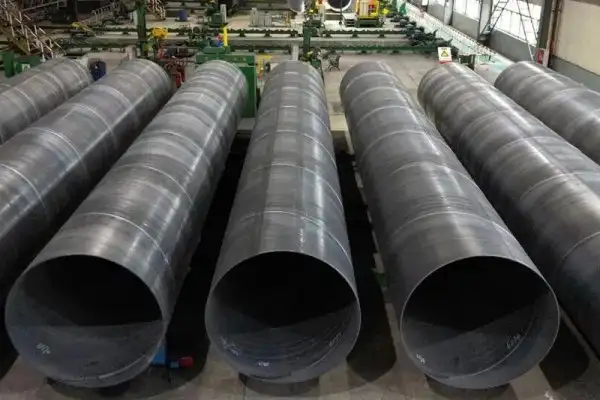
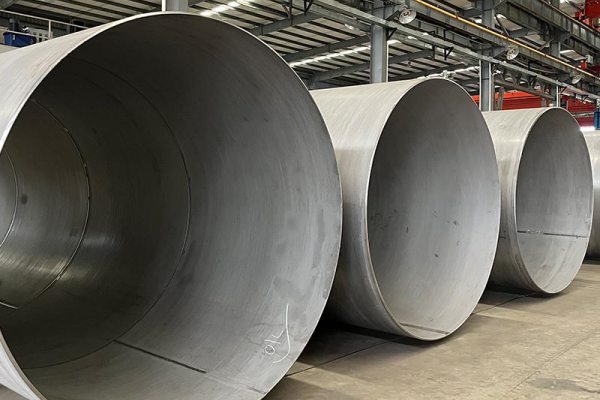
Large-diameter DN800 pipes are typically produced through spiral submerged arc welding (SSAW) or longitudinal submerged arc welding (LSAW) processes.
Step 1: Raw Material Preparation
High-quality carbon steel plate or coil is selected.
Material grade depends on application (e.g., structural or pipeline steel).
Chemical composition and mechanical properties are verified before production.
Raw material quality directly determines the strength and service life of the DN800 pipe.
Step 2: Forming (Rolling Process)
Steel plate or coil is formed into a cylindrical shape.
For large diameters like DN800, hot forming is common.
Precision forming ensures uniform wall thickness and roundness.
Step 3: Welding
Submerged Arc Welding (SAW) is typically applied.
Weld seam integrity is critical for pressure-bearing performance.
Both internal and external weld seams are produced for structural strength.
Welding quality directly affects fatigue resistance and long-term reliability.
Step 4: Dimensional Verification & Testing
After welding, DN800 pipes undergo strict inspection:
Outer diameter measurement
Wall thickness testing
Straightness verification
Non-destructive testing (UT, RT)
Hydrostatic pressure testing (for pipeline use)
All dimensions must comply with the relevant specification.
Application Fields of DN800 Steel Pipes
Due to their large diameter and structural strength, DN800 welded steel pipes are widely used in heavy-duty infrastructure.
1. Municipal Engineering
Urban water supply pipelines
Drainage systems
Sewage treatment plant transmission lines
Stormwater discharge systems
DN800 pipes handle high-volume fluid transportation efficiently.
2. Oil & Gas and Petrochemical Industry
Crude oil pipelines
Natural gas transmission lines
Industrial fluid transport
DN800 is commonly specified in large-scale pipeline networks under standards such as API 5L.
3. Bridge & Structural Construction
Bridge support piles
Structural columns
Protective rail systems
Large diameter pipes provide strong load-bearing and torsional resistance.
Technical Characteristics of DN800 Steel Pipes
High Structural Strength
Large diameter provides high bending resistance.
Suitable for high internal pressure and external load conditions.
Often used in buried or long-span projects.
Corrosion Protection Options of DN800 Welded Steel Pipe
DN800 pipes are typically protected by:
3PE anti-corrosion coating
Epoxy coating systems
Hot-dip galvanizing (in structural use)
This significantly extends service life in buried or humid environments.
Installation Efficiency of DN800 Welded Steel Pipe
For large-diameter pipes:
Flange connections simplify on-site installation.
Field welding is also common in pipeline projects.
Modular fabrication improves construction efficiency.
Quality Control Details of DN800 Welded Pipes
1. Welding Quality Requirements
Weld seams must be:
Free of cracks
Free of porosity
Free of slag inclusions
Fully penetrated
NDT testing ensures compliance with project specifications.
2. Dimensional Accuracy
Critical inspection parameters include:
Outside diameter tolerance
Wall thickness deviation
Ovality
Straightness
Precise dimensions ensure smooth field assembly and prevent leakage or structural misalignment.
Future Development Trends of DN800 Welded Steel Pipes
Intelligent Manufacturing
Automated welding systems
Real-time weld seam monitoring
Digital dimensional scanning
These technologies improve consistency and reduce human error.
Green & Sustainable Production
Reduced energy consumption in forming processes
Environmentally friendly coating materials
Recyclable steel material usage
Sustainability is becoming a core requirement in global infrastructure projects.
FAQ
Q1: What type of welding is used for DN800 steel pipes?
Most DN800 pipes are manufactured using SSAW or LSAW submerged arc welding processes for high structural integrity.
Q2: Is DN800 suitable for high-pressure applications?
Yes, when produced under standards such as API 5L or EN pressure pipe specifications, DN800 pipes can withstand significant internal pressure.
Q3: What is the typical wall thickness range for DN800 pipes?
Wall thickness varies depending on pressure requirements, typically ranging from 6 mm to 40 mm or more.
Q4: Does DN800 pipe require corrosion protection?
Yes. For underground or outdoor environments, anti-corrosion coatings such as 3PE or epoxy systems are strongly recommended.


 English
 Español
 Français
 بالعربية