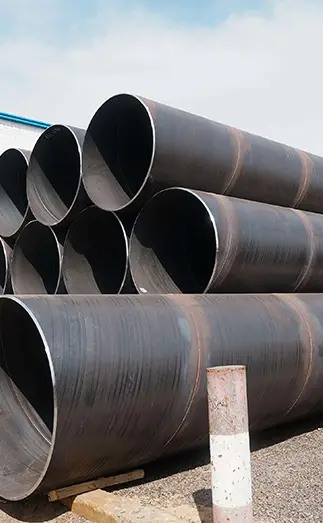
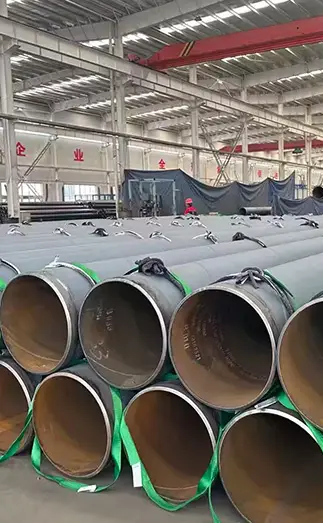
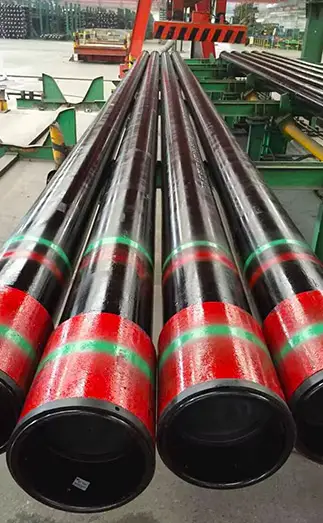
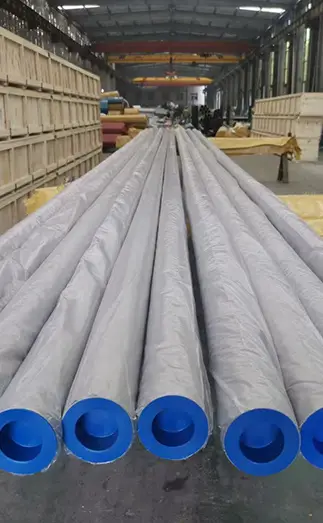
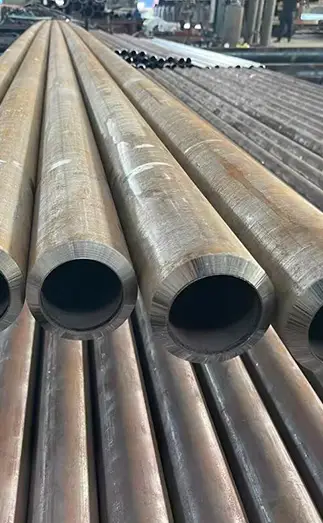
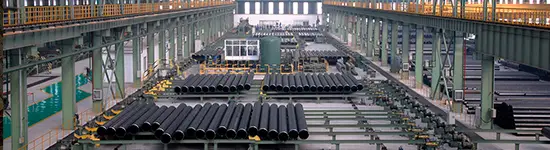
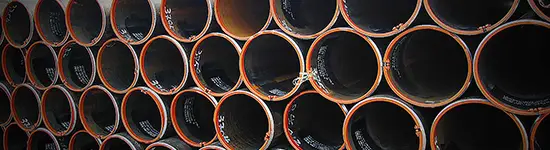
SSAW steel pipe (Spiral Submerged Arc Welded steel pipe) is one of the most important large-diameter welded pipe products used in modern infrastructure. Due to its structural strength, cost efficiency, and suitability for long-distance transportation pipelines, SSAW steel pipes are widely applied in oil, gas, water transmission, and structural engineering projects.
Although commonly used, many buyers and project managers are not fully aware of the production details and quality control standards behind SSAW steel pipe manufacturing.
1. Production Process of SSAW Steel Pipe
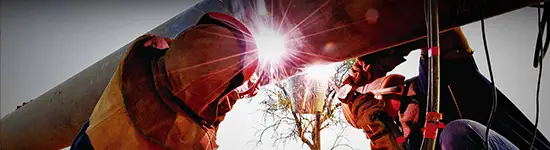
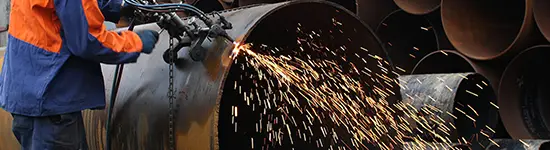
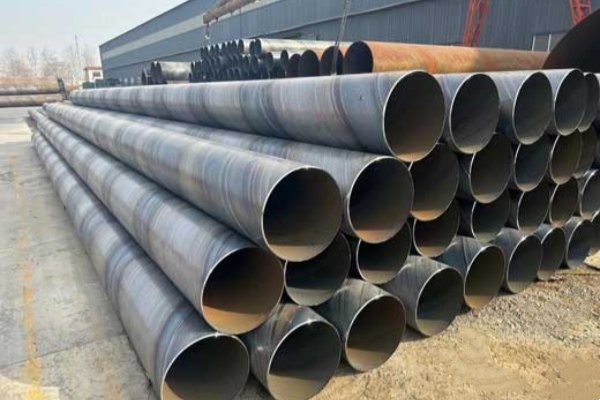
SSAW steel pipe is produced by continuously bending a steel coil or steel plate into a cylindrical shape and welding it along a spiral seam using the submerged arc welding (SAW) process.
The typical manufacturing workflow includes:
Steel coil inspection and pretreatment
Edge milling and preparation
Spiral forming
Internal and external submerged arc welding
Sizing and straightening
Non-destructive testing (NDT)
End facing and beveling
Compared with straight seam welded pipes (ERW or LSAW), SSAW steel pipe offers:
Higher production efficiency
Flexible diameter production from the same coil width
Strong weld penetration through double-sided submerged arc welding
Cost advantages in large-diameter pipeline projects
Because of these advantages, SSAW steel pipes are widely used for medium- and large-diameter pipeline systems.
2. Quality Standards of SSAW Steel Pipe
The performance and reliability of SSAW steel pipe depend on strict compliance with international standards such as API 5L, ASTM A252, or EN 10219 (depending on project requirements).
Key quality control aspects include:
Appearance Quality
The pipe surface must be smooth and free from cracks, laminations, or obvious defects. The spiral weld seam should be uniform, continuous, and properly reinforced.
Chemical Composition
The steel material must meet specified chemical limits to ensure adequate strength, ductility, and weldability. Controlled carbon content improves welding performance and structural safety.
Mechanical Properties
Critical indicators include:
Tensile strength
Yield strength
Elongation
Impact toughness
These properties directly determine whether the SSAW steel pipe can withstand internal pressure and external loads.
Dimensional Tolerance
Outer diameter, wall thickness, ovality, and length must comply with specified tolerances to ensure proper connection with flanges, fittings, and valves in pipeline systems.
3. Application Areas of SSAW Steel Pipe
SSAW steel pipes are primarily used in:
Oil and natural gas transmission pipelines
Municipal water supply and drainage systems
Chemical fluid transportation
Piling and structural foundation projects
Long-distance pipeline engineering
Due to their structural stability and production efficiency, SSAW steel pipes are increasingly replacing traditional straight seam welded pipes in large-diameter pipeline applications, especially where cost control and scalability are important.
4. Market Prospects of SSAW Steel Pipe
With global infrastructure expansion, urbanization, and energy transportation demand increasing, the market demand for SSAW steel pipe continues to grow steadily.
Future development trends include:
Improved welding automation and inspection technology
Higher-strength steel grades
Enhanced anti-corrosion coating systems (3PE, FBE, etc.)
Greater compliance with international pipeline standards
As production technology advances and quality control systems become more refined, SSAW steel pipes are expected to play an even more critical role in oil & gas, water transmission, and infrastructure construction worldwide.
FAQ:
Q1: What does SSAW steel pipe stand for?
SSAW stands for Spiral Submerged Arc Welded, referring to the spiral welding method used in production.
Q2: Is SSAW steel pipe suitable for high-pressure pipelines?
Yes, when manufactured according to standards like API 5L, SSAW steel pipes can be used in medium- to high-pressure transmission systems.
Q3: Why choose SSAW steel pipe over straight seam welded pipe?
SSAW steel pipe offers better cost efficiency for large diameters and allows flexible production from steel coils.


 English
 Español
 Français
 بالعربية