Rust on seamless (SMLS) steel pipes not only affects appearance but also reduces their service life and performance in engineering applications. To maintain durability and ensure reliable operation, it is essential to understand why rust occurs, how to evaluate rust levels, and which rust-removal methods are most effective.
Causes of Rust on SMLS Steel Pipe Surfaces
SMLS steel pipes may rust due to a variety of factors, including:
Insufficient surface treatment
Uneven or incomplete oxide films fail to protect the metal surface from corrosion.
Environmental and handling corrosion
Exposure to moisture, oxygen, or corrosive substances during transportation, storage, or use can result in oxidation.
Harsh environmental conditions
High humidity, elevated temperatures, acidic or alkaline atmospheres accelerate corrosion.
Assessing the Degree of Rust on SMLS Steel Pipe Surfaces
Slight rust:
Light, loose rust spots without pitting.
Moderate rust:
Thicker rust layer with minor peeling or small pits.
Severe rust:
Heavy rust buildup, large-area peeling, and visible corrosion pits or surface damage.
Physical Rust Removal Methods on SMLS Steel Pipe Surfaces
1. Manual Rust Removal
Using sandpaper, steel wool, or small hand tools to clean rust and oxide film.
Suitable for light rust, small areas, or on-site spot treatment.
2. Mechanical Rust Removal
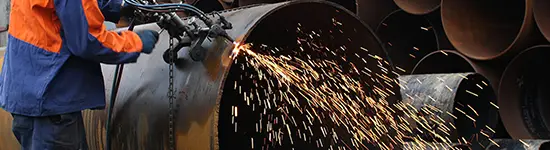
Using power tools such as grinders with wire wheels or abrasive discs.
Efficient for moderate rust.
Avoid excessive grinding to prevent metal loss.
3. Sandblasting / Shot Blasting
a. Sandblasting
High-pressure abrasive blasting to remove oxide film and rust.
Dry sandblasting: Quartz sand, steel shot; produces strong surface roughness for coating adhesion.
Wet sandblasting: Adds water to reduce dust; ideal for projects with strict environmental requirements.
b. Shot blasting
Metal abrasives propelled by a rotating impeller—highly efficient and uniform.
Best for batch processing and prefabricated components.
Chemical Rust Removal Methods on SMLS Steel Pipe Surfaces
1. Acid Pickling
Using diluted hydrochloric acid, phosphoric acid, or specialized pickling solutions to dissolve rust and oxides, followed by thorough rinsing.
Suitable for complex shapes or mass production.
Requires protective measures and proper wastewater treatment.
2. Chemical Conversion Coating
Applies a chemical agent that transforms surface oxides into a protective compound layer, reducing future rust formation.
Surface Cleaning and Pretreatment of SMLS Steel Pipe
Residue removal: Clean dust and leftover abrasives using compressed air or cloth.
Degreasing: Use acetone or industrial cleaning agents for oil-stained surfaces.
Drying: Ensure the surface is completely dry to prevent new moisture-induced corrosion.
Precautions
Wear protective gloves, masks, and goggles during physical or chemical treatments.
Use appropriate tools to prevent secondary damage to the steel pipe surface.
Clean tools and treatment agents promptly after work to prevent contamination.
Regular Maintenance Tips
Inspect pipeline coatings regularly; repair local rust spots immediately.
Avoid long-term exposure to environments with humidity, acids, alkalis, or salt spray.


 English
 Español
 Français
 بالعربية