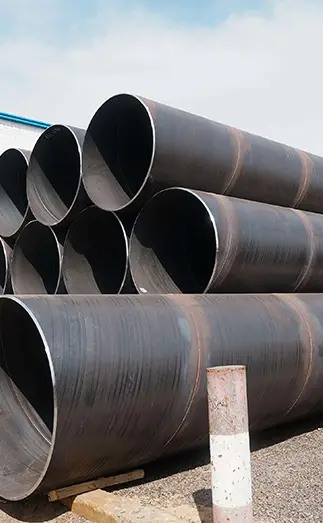
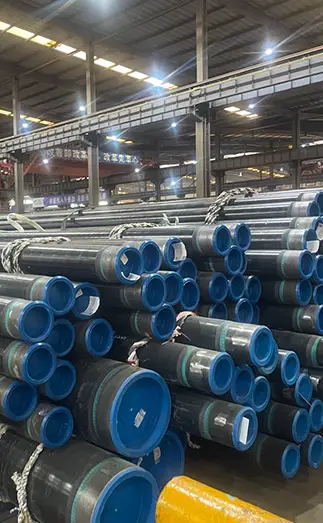
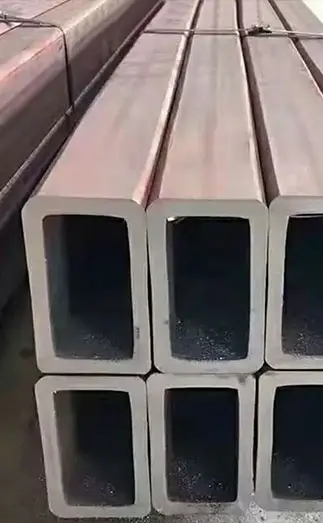
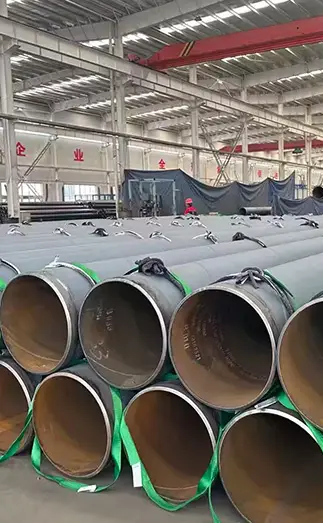
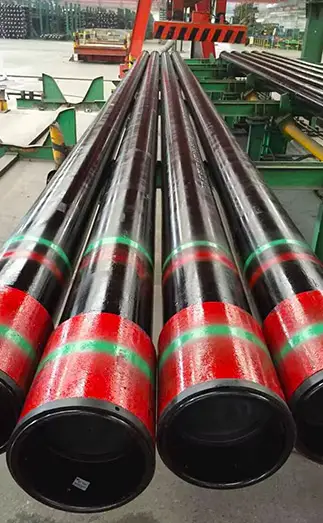
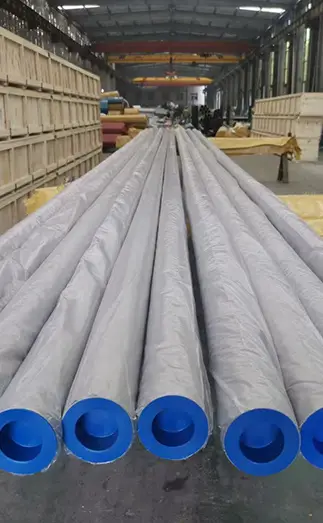
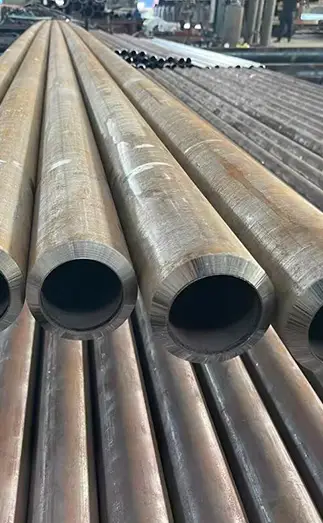
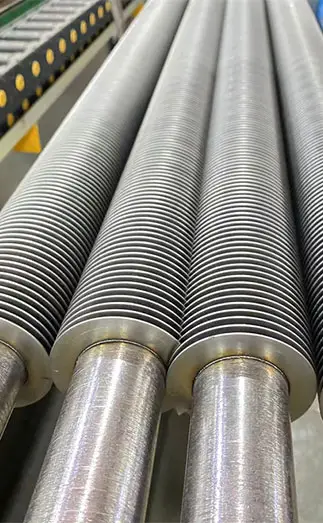
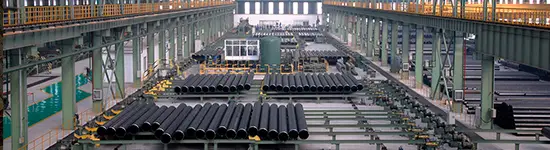
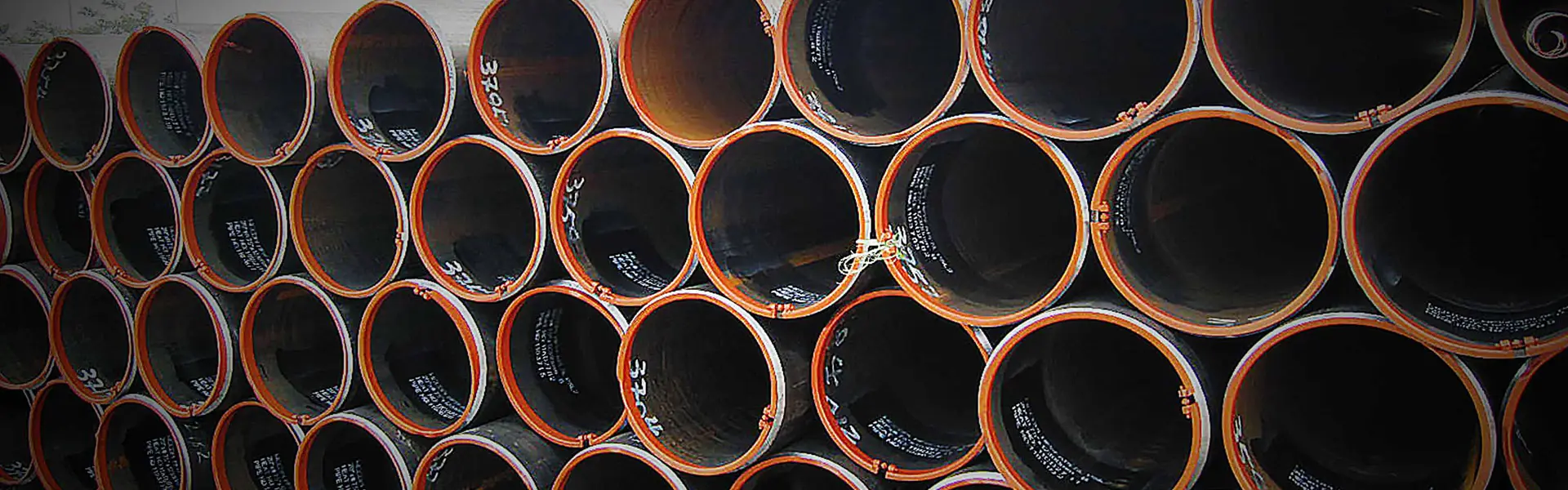
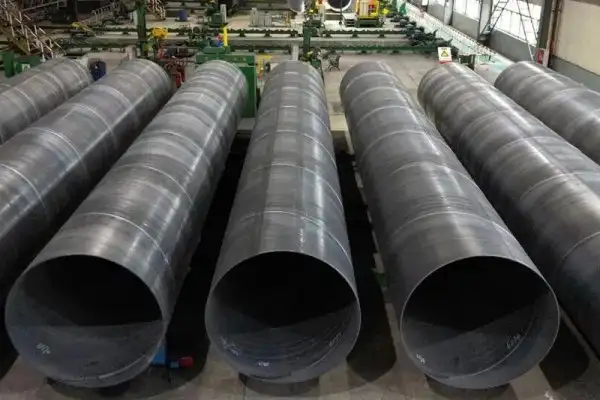
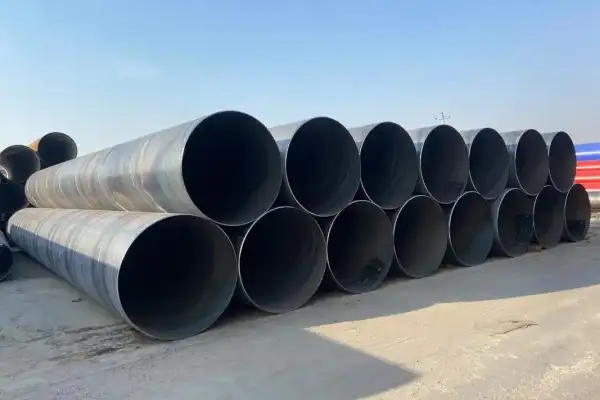
Boiler tubes are seamless steel tubes used in boiler heating surfaces, serving as critical pressure-bearing and heat transfer components.
There are two main types based on boiler design:
Fire-tube boiler tubes → hot gas flows inside tubes
Water-tube boiler tubes → water/steam flows inside tubes
The key differences lie in:
Heat transfer mechanism
Pressure capacity
Material selection
Application scenarios
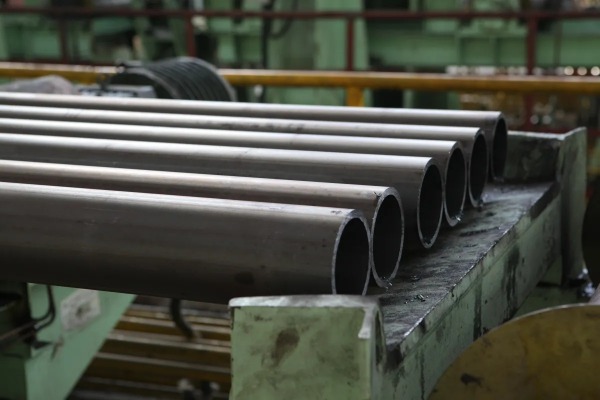
What Is a Boiler Tube?
A boiler tube is a high-performance seamless steel pipe designed to operate under:
High temperature
High pressure
Corrosive environments
Common Materials:
Carbon steel
Alloy steel
Core Function:
Efficiently transfer heat from combustion gases to water, generating steam for industrial use.
Fire-Tube Boiler Tubes
1. Working Principle
In a fire-tube boiler, high-temperature flue gas flows inside the tubes, while water surrounds the tubes.
Heat is transferred from the gas to the water, producing steam.
2. Key Features
Simple structure
Easy maintenance
Lower initial investment
Lower thermal efficiency
3. Typical Materials
ASTM A178
ASTM A192
20# carbon steel
These materials provide good thermal conductivity and moderate pressure resistance.
4. Applications
Small to medium industrial boilers
Heating systems
Low-pressure steam supply
Water-Tube Boiler Tubes
1. Working Principle
In a water-tube boiler, water flows inside the tubes, and combustion gases surround the tubes.
Water is directly heated and converted into steam, which is collected in a steam drum.
2. Key Features
High thermal efficiency (≈85%–90%)
High pressure capability
Fast steam generation
Suitable for large-scale systems
3. Typical Materials
ASTM A210
ASTM A213 T11 / T22
15CrMoG / 12Cr1MoVG
These alloy steels offer:
High temperature resistance
Oxidation resistance
Creep resistance
4. Applications
Power plants
Petrochemical industry
High-pressure industrial boilers
Fire-Tube vs. Water-Tube Boiler Tubes
|
Item
|
Fire-Tube Boiler Tube
|
Water-Tube Boiler Tube
|
|
Heat flow
|
Gas inside tube
|
Water inside tube
|
|
Pressure range
|
Low (<2.5 MPa)
|
High (up to 15 MPa+)
|
|
Material
|
Carbon steel
|
Alloy steel
|
|
Efficiency
|
Medium
|
High
|
|
Maintenance
|
Easier, lower cost
|
Complex, higher cost
|
|
Application
|
Small/medium systems
|
Large/high-pressure systems
|
Advantages and Disadvantages of Fire-Tube Boiler Tubes and Water-Tube Boiler Tubes
Fire-Tube Boiler Tubes
Advantages:
Simple design
Lower cost
Easy inspection and repair
Disadvantages:
Limited capacity
Lower pressure tolerance
Slower startup
Water-Tube Boiler Tubes
Advantages:
High efficiency
Large steam output
High-pressure operation capability
Disadvantages:
Higher initial cost
Strict water quality requirements
More complex maintenance
Common Causes of Boiler Tube Failure
Fire-Tube Boiler Tube Failures
Overheating and cracking (scale buildup)
Corrosion and thermal fatigue
Tube end cracking due to improper installation
Water-Tube Boiler Tube Failures
Thermal shock rupture
Local overheating due to deposits
Corrosion fatigue from poor water chemistry
Preventive Measures
To extend boiler tube service life:
Use standard-compliant materials (ASTM / EN / GB)
Control feedwater quality (pH, hardness, oxygen content)
Perform regular NDT inspections (UT, hydrostatic testing)
Maintain stable combustion conditions
FAQ
1. Which is more efficient: fire-tube or water-tube boilers?
Water-tube boilers are more efficient (up to ~90%), while fire-tube boilers are more economical for smaller systems.
2. What is the main structural difference?
Fire-tube: gas flows inside tubes.
Water-tube: water flows inside tubes.
3. Why do water-tube boilers use alloy steel tubes?
Because they operate under higher temperature and pressure, requiring enhanced creep and oxidation resistance.
4. What is the typical lifespan of boiler tubes?
Generally 5–10 years, depending on operating conditions, water quality, and material grade.
5. How can boiler tube failure be prevented?
Through proper material selection, strict water treatment, and regular inspection.
Conclusion
Fire-tube and water-tube boiler tubes serve different industrial needs:
Fire-tube boiler tubes → cost-effective, suitable for low-pressure systems
Water-tube boiler tubes → high-performance solution for high-pressure and high-efficiency applications
Selecting the right type depends on pressure requirements, efficiency targets, and operational scale.


 English
 Español
 Français
 بالعربية