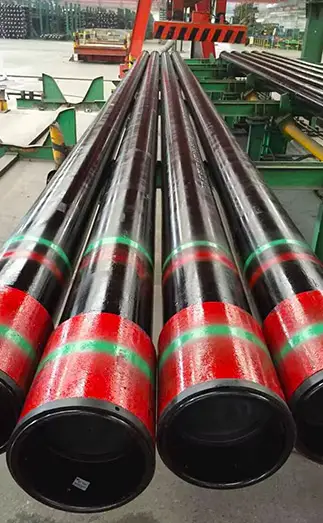
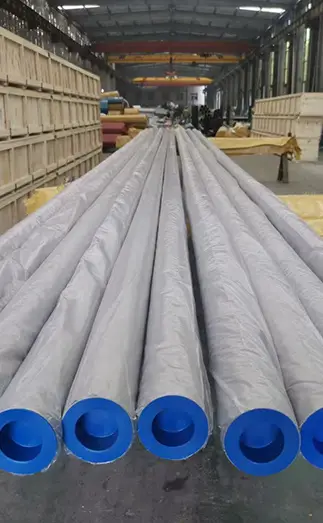
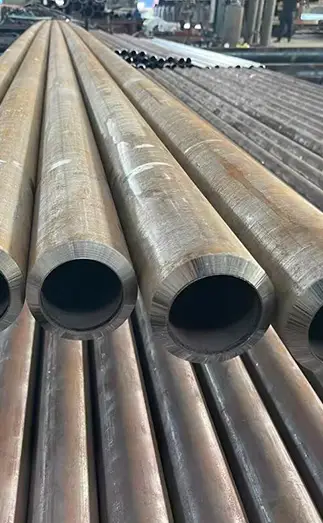
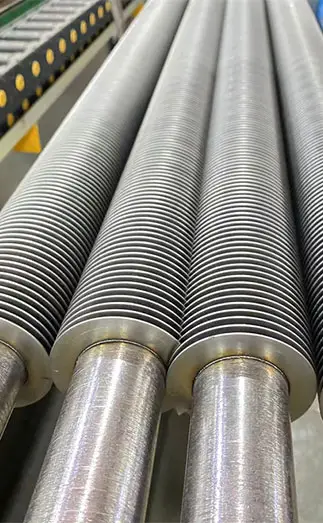
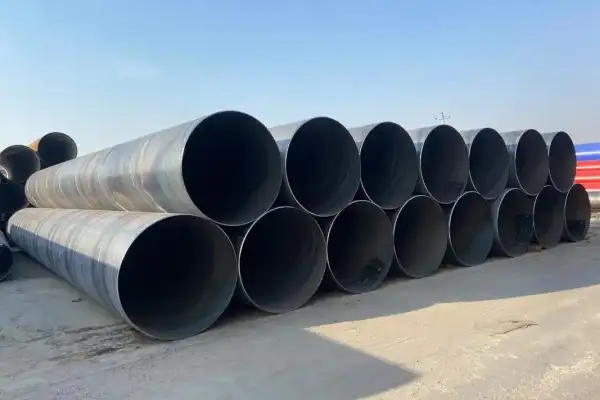
Industrial boiler tubes are critical components in high-temperature and high-pressure systems such as power plants, petrochemical facilities, and industrial heating units. Selecting the correct standard specification is essential to ensure safety, durability, and long-term performance.
This guide provides a structured overview of the main standards, materials, dimensions, and selection criteria for industrial boiler tubes.
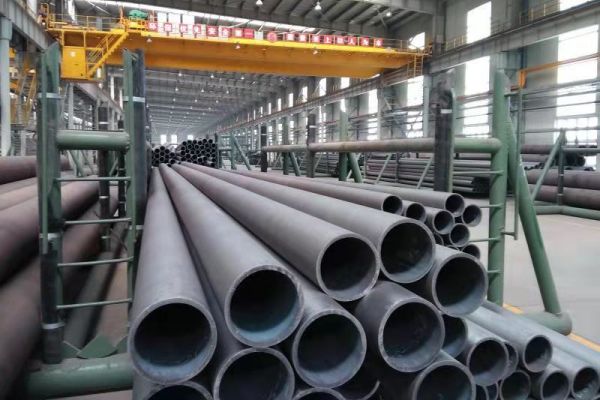
Quick Overview
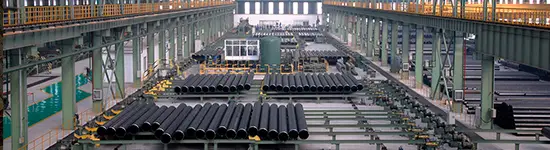
Product Type: Seamless boiler tubes
Key Standards: ASTM, ASME, EN, DIN, GB
Typical Materials: Carbon steel, alloy steel
Main Applications: Superheaters, reheaters, economizers, water wall tubes
Key Properties: High temperature resistance, pressure resistance, creep strength
1. Main International Standards for Boiler Tubes
Industrial boiler tubes are governed by several globally recognized standards:
ASTM / ASME Standards (Widely Used Internationally)
ASTM A192 / ASME SA192 → Seamless carbon steel tubes for high-pressure service
ASTM A210 / ASME SA210 → Medium-carbon steel tubes for boiler and superheater use
ASTM A213 / ASME SA213 → Seamless ferritic and austenitic alloy steel tubes
European Standards (EN)
EN 10216-2 → Seamless steel tubes for pressure purposes (high temperature service)
German Standards (DIN)
DIN 17175 → Heat-resistant seamless steel tubes
Chinese Standards (GB)
GB/T 3087 → Seamless steel tubes for low and medium pressure boilers
GB/T 5310 → Seamless steel tubes for high-pressure boilers
2. Common Material Grades of Boiler Tubes
Boiler tube material selection depends on operating temperature and pressure:
Carbon Steel Grades
ASTM A192
ASTM A210 Grade A1 / C
GB 20G
Features:
Good weldability
Cost-effective
Suitable for low to medium pressure systems
Alloy Steel Grades
ASTM A213 T11, T22
ASTM A335 P11, P22
Features:
High temperature resistance
Excellent creep strength
Suitable for superheaters and high-pressure boilers
3. Typical Dimensions and Specifications of Boiler Tubes
Boiler tubes are usually supplied as seamless steel tubes with strict dimensional tolerances:
Outer Diameter (OD): typically 12 mm – 219 mm
Wall Thickness (WT): depending on pressure class and standard
Length: fixed length or random length
End Type: plain end, beveled end
Key Note:
Wall thickness is determined by design pressure, temperature, and applicable code (e.g., ASME Boiler & Pressure Vessel Code).
4. Key Technical Requirements of Boiler Tubes
Industrial boiler tubes must meet strict quality and performance requirements:
Mechanical Properties
Tensile strength
Yield strength
Elongation
Chemical Composition
Controlled carbon content
Alloying elements (Cr, Mo) for heat resistance
Testing & Inspection
Non-destructive testing (NDT)
Hydrostatic pressure test
Flattening and flaring tests
Ultrasonic or eddy current inspection
5. Applications of Boiler Tubes
Boiler tubes are used in various heat exchange and pressure systems:
Water wall tubes
Superheater tubes
Reheater tubes
Economizer tubes
Heat exchangers
These applications demand high reliability under cyclic thermal stress and pressure loading.
6. How to Select the Right Boiler Tube Specification
When choosing boiler tubes, consider the following:
Step 1: Define Operating Conditions
Temperature range
Pressure level
Type of medium (steam, water, gas)
Step 2: Choose Applicable Standard
International project → ASTM / ASME
European project → EN
Domestic China project → GB
Step 3: Select Material Grade
Low pressure → Carbon steel
High temperature / pressure → Alloy steel
Step 4: Verify Testing Requirements
Ensure compliance with inspection standards and certifications
FAQ
Q1: What is the most commonly used standard for boiler tubes?
ASTM/ASME standards such as A192, A210, and A213 are the most widely used globally.
Q2: Are boiler tubes seamless or welded?
Most industrial boiler tubes are seamless to ensure higher pressure resistance and safety.
Q3: What materials are used for high-temperature boiler tubes?
Alloy steels (such as T11, T22) are commonly used due to their creep resistance and thermal stability.
Q4: What is the difference between A192 and A213 tubes?
A192: Carbon steel, mainly for high-pressure service
A213: Alloy steel, designed for high-temperature applications.


 English
 Español
 Français
 بالعربية