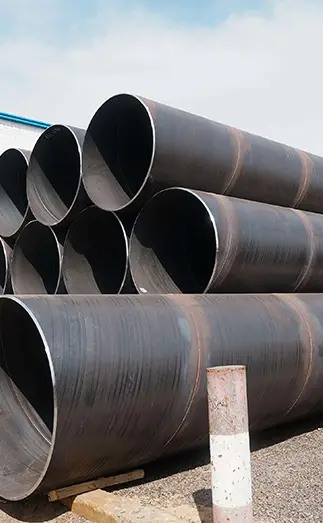
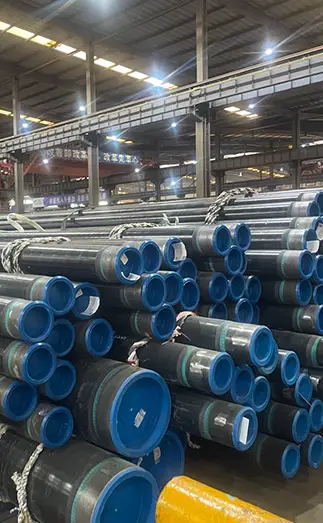
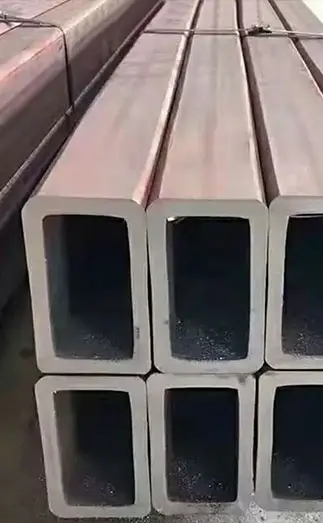
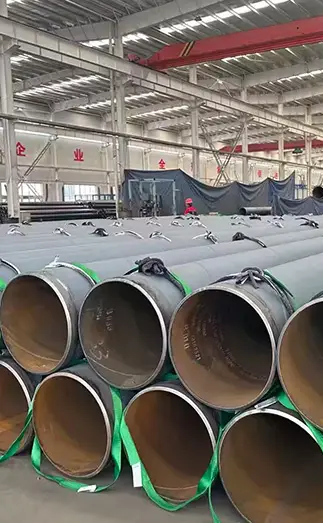
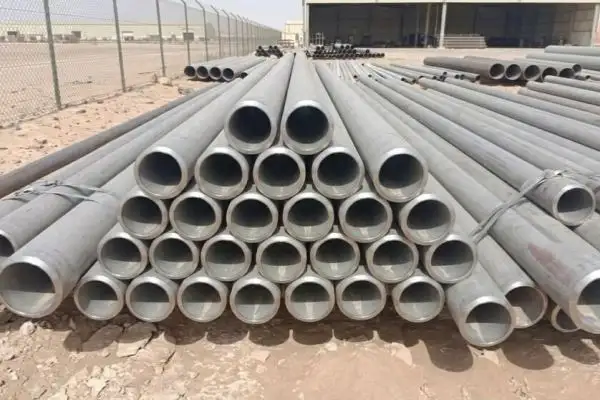
Pipe spools are widely used in MEP construction and industrial piping projects. A pipe spool is a prefabricated section of a piping system consisting of pipes, flanges, fittings, and other required components. These components are fabricated and assembled according to engineering drawings before being transported to the construction site for installation.
By prefabricating piping sections in advance, pipe spooling can help improve installation accuracy, simplify site work, and reduce the time required for field assembly.
What Is a Pipe Spool?
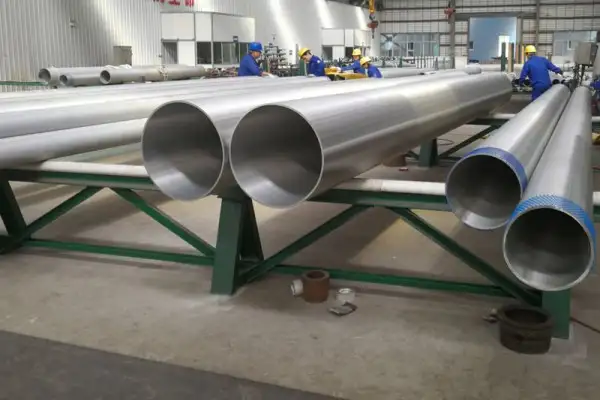
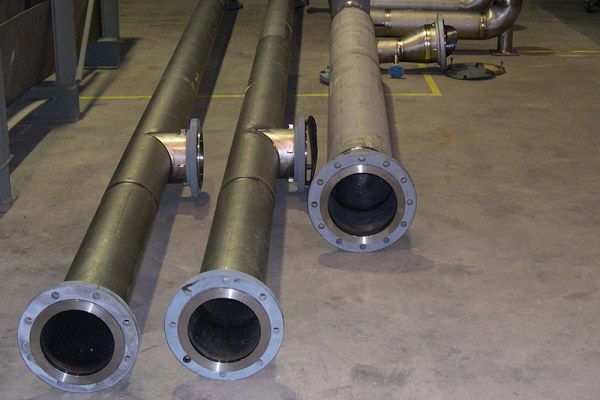
A pipe spool is a prefabricated piping assembly designed to connect with other sections of a piping system. Depending on the project requirements, a spool may include straight pipe sections, elbows, tees, flanges, reducers, and other fittings.
The main components of a typical pipe spool include:
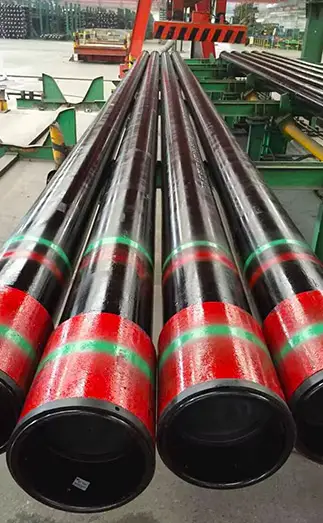
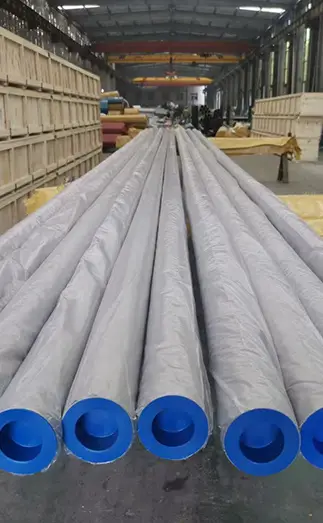
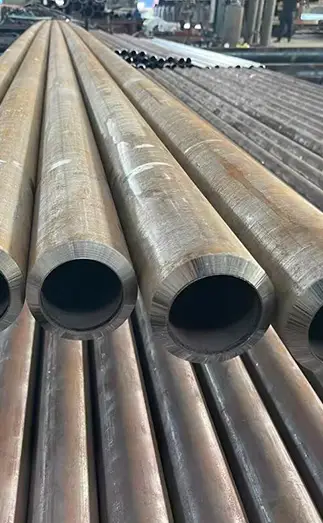
Pipe
The pipe forms the main body of the spool and provides the flow path for liquids, gases, or other process media.
Flanges
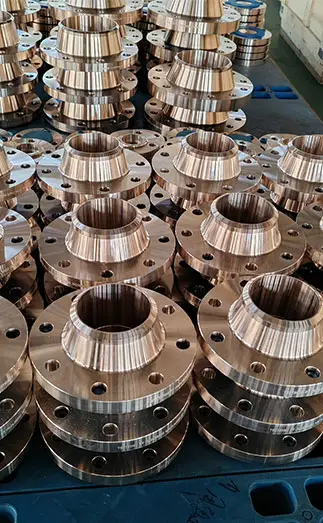
Flanges provide detachable connections between pipe sections, valves, equipment, and other piping components. Bolts are commonly used to secure flanged connections.
Other connection methods, such as couplings and other mechanical or welded joints, may also be used depending on the piping design.
Fittings
Pipe fittings change the direction, size, or routing of the piping system. Common fittings include elbows, tees, reducers, and other branch or transition components.
Together, these components form a prefabricated piping section that can be transported and installed as a single unit.
What Is Pipe Spooling?
Pipe spooling is the process of designing, fabricating, assembling, and preparing piping sections for installation.
The process normally begins with pipe spool drawings, which define the dimensions, component locations, connection points, and installation requirements of each spool.
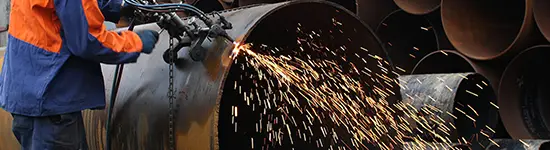
Based on the drawings, pipe sections and fittings are cut, positioned, welded, inspected, and assembled into prefabricated spool pieces. The completed spools are then transported to the construction site and connected with other piping sections.
This approach allows much of the piping work to be completed before installation, helping reduce the amount of fabrication required at the construction site.
Pipe Spool Drawings
Pipe spool drawings provide the fabrication and installation information required to manufacture individual spool pieces.
A typical spool drawing may identify:
Pipe dimensions and lengths
Fitting locations
Flange orientation
Weld locations
Connection points
Spool identification numbers
Installation and assembly requirements
These drawings allow MEP engineers, fabricators, and installers to coordinate the piping system before fabrication begins.
Accurate spool drawings are particularly important for projects with complex piping layouts because they help ensure that prefabricated sections match the intended installation position and reduce potential clashes with other building systems.
Pipe Spool Fabrication Process
After the spool drawings are approved, fabrication can begin.
The basic pipe spool fabrication process generally includes:
Material Preparation → Cutting → Fit-Up → Welding → Inspection → Finishing
1. Material Preparation
Pipes, elbows, tees, flanges, reducers, and other components are prepared according to the approved spool drawing and material requirements.
2. Pipe Cutting
Pipe sections are cut to the required dimensions. Accurate cutting is important to ensure proper fit-up and dimensional accuracy during assembly.
3. Fit-Up
The pipe and fittings are positioned according to the spool drawing. Technicians check dimensions, orientation, alignment, and connection locations before welding.
4. Welding
After fit-up, the components are welded together to form the spool. Depending on the project specification and material, different welding procedures may be used.
5. Inspection
The completed spool is inspected to verify dimensional accuracy, weld quality, and compliance with the applicable project requirements. Additional nondestructive testing may be performed when specified.
6. Finishing
Depending on the project, finishing work may include cleaning, surface treatment, coating, marking, and preparation for transportation.
Pipe Spool Assembly and Installation
After fabrication and inspection, completed pipe spools are transported to the construction site for installation.
The pipe spool assembly and installation process typically involves:
Transporting fabricated spools to the designated installation area.
Identifying each spool according to its drawing and marking.
Positioning and lifting the spool using appropriate equipment.
Connecting the spool to adjacent piping sections, equipment, or other components.
Checking alignment, orientation, and connection points.
Completing required field welds or mechanical connections.
Performing final inspection and testing.
Because spool dimensions and connection locations are established during fabrication, accurate coordination between fabrication drawings and site conditions is essential.
Pipe Spooling vs. Traditional Site Fabrication
The main difference is where most of the fabrication work takes place.
|
Feature
|
Pipe Spooling
|
Traditional Site Fabrication
|
|
Fabrication location
|
Workshop / fabrication facility
|
Construction site
|
|
Drawing requirements
|
Detailed spool drawings
|
General piping drawings
|
|
Site welding
|
Reduced
|
Usually higher
|
|
Installation
|
Prefabricated sections
|
Individual components
|
|
Quality control
|
Mainly controlled before delivery
|
More dependent on site conditions
|
|
Installation efficiency
|
Generally higher
|
Depends on site conditions
|
Pipe spooling is particularly useful for large MEP projects, industrial facilities, process plants, and other projects where piping systems contain a large number of repeated or complex assemblies.
Conclusion
Pipe spools are prefabricated piping assemblies that combine pipes, flanges, fittings, and other components into installation-ready sections. The pipe spooling process typically includes drawing preparation, material preparation, cutting, fit-up, welding, inspection, transportation, assembly, and installation.
By moving a significant portion of piping fabrication from the construction site to a controlled workshop environment, pipe spooling can improve fabrication accuracy, reduce site work, simplify quality control, and support faster installation.
For complex MEP and industrial piping projects, properly prepared pipe spool drawings and fabrication procedures are key to achieving accurate and efficient installation.
FAQ
1. What is a pipe spool?
A pipe spool is a prefabricated section of a piping system that typically includes pipe, flanges, and fittings.
2. What is pipe spool fabrication?
Pipe spool fabrication is the process of cutting, fitting, welding, inspecting, and finishing piping components according to approved spool drawings.
3. What are pipe spools used for?
Pipe spools are used in industrial, MEP, oil and gas, petrochemical, power, water treatment, and other piping systems.
4. What is the benefit of pipe spooling?
Pipe spooling can reduce site fabrication work, improve dimensional accuracy, simplify quality control, and support more efficient installation.


 English
 Español
 Français
 بالعربية