Selecting the right pipeline transportation system requires more than choosing a suitable steel pipe. The transported medium, design pressure, operating temperature, pipe dimensions, and material grade all affect pipeline performance and service life.
A practical selection process should evaluate the following key factors.
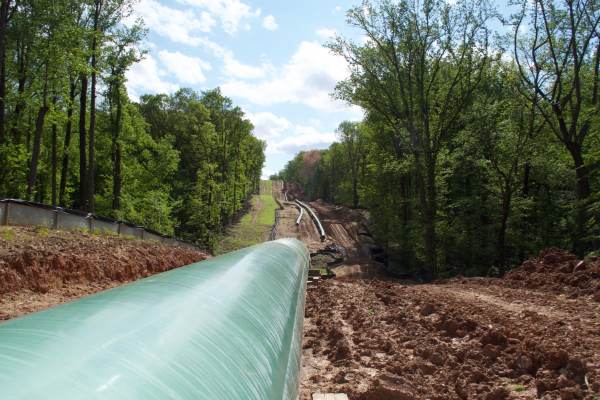
1. Select the Pipeline Based on the Transported Medium
Different fluids and materials place different demands on pipeline strength, toughness, corrosion resistance, and flow capacity.
Crude Oil Pipelines
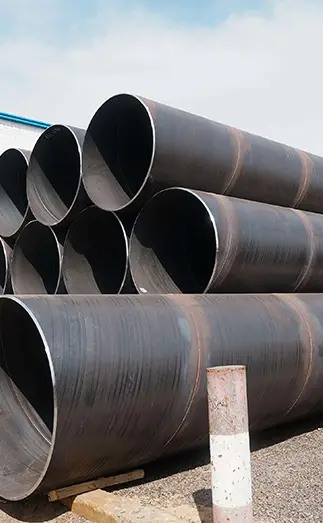
Crude oil pipelines are mainly used for long-distance transportation of crude oil from oil fields, ports, or gathering facilities to refineries and storage or transfer terminals.
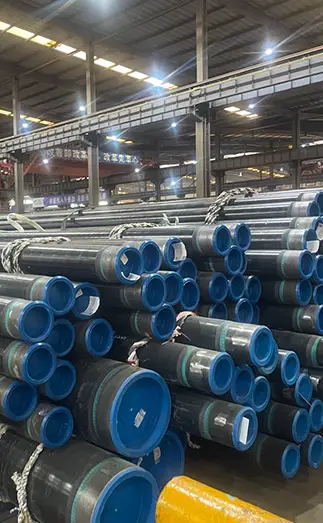
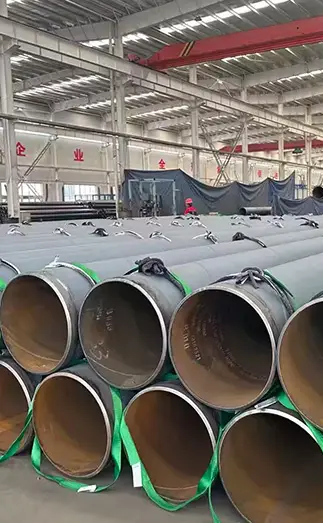
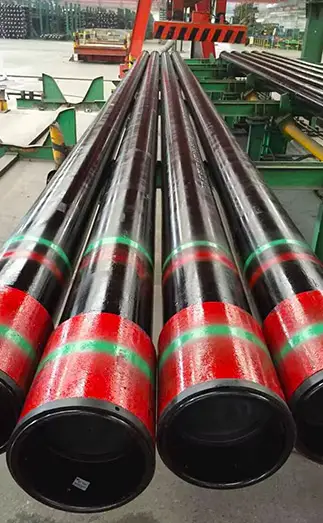
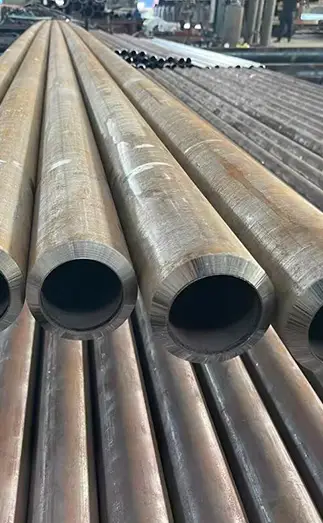
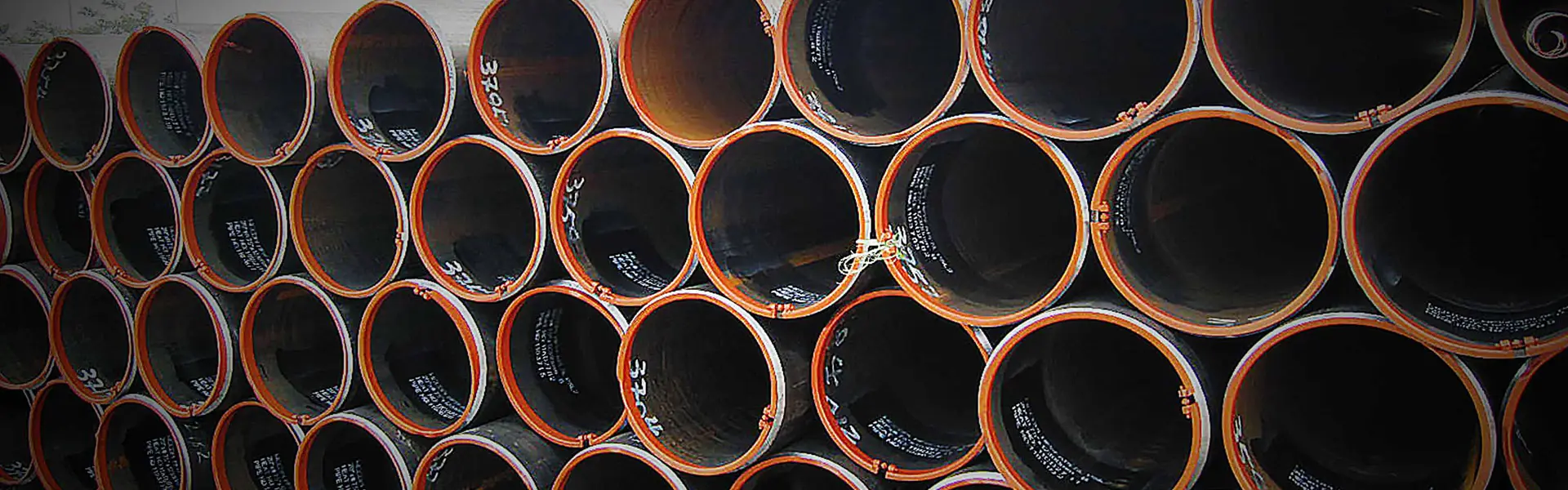
Carbon steel pipeline products such as API 5L line pipe are commonly considered for these applications.
Refined Product Pipelines
Refined product pipelines transport gasoline, diesel, kerosene, jet fuel, and other petroleum products.
Because multiple products may be transported through the same pipeline, batch transportation and interface control are important for minimizing cross-contamination.
Natural Gas Pipelines
Natural gas transmission pipelines transport gas under pressure over short or long distances. Depending on project requirements, the system may include compressor stations, valves, gas processing facilities, and pressure-control equipment.
High-strength carbon steel pipes are widely used in many long-distance gas transmission applications.
Slurry Pipelines
Slurry pipelines transport mixtures of liquid and solid particles over long distances. These systems require appropriate pipe materials and wall thicknesses to withstand internal pressure as well as the effects of transported solids.
2. Consider Design and Test Pressure
Design Pressure
Design pressure is the pressure used to determine the required strength and dimensions of the pipeline.
A higher design pressure generally requires:
Higher-strength pipe material
Appropriate pipe grade
Larger wall thickness
Proper diameter selection
The design pressure should therefore be established before finalizing the pipe specification.
Test Pressure
Test pressure is applied after installation to verify the strength and leak-tightness of the completed pipeline system.
Although test pressure is not normally the primary parameter for selecting the pipe, it is an important part of pipeline quality verification and commissioning.
3. Consider Operating Temperature
Operating temperature affects material strength, toughness, and dimensional stability.
|
Operating Temperature
|
Main Consideration
|
Selection Principle
|
|
Low temperature
|
Toughness and brittle-fracture resistance
|
Select materials suitable for low-temperature service
|
|
Normal temperature
|
Strength, durability, and cost
|
Standard pipeline materials may be considered
|
|
High temperature
|
Strength retention and thermal expansion
|
Select materials suitable for elevated-temperature service
|
For high-temperature service, alloy steel grades may be considered where greater strength retention is required.
4. Determine Pipe Diameter and Wall Thickness
Pipe dimensions should be selected according to flow rate, operating pressure, transported medium, pipeline length, and service conditions.
Pipe Diameter
A larger diameter can provide greater transportation capacity and help maintain an appropriate flow velocity. However, the diameter should also be evaluated against pressure loss and project cost.
Medium properties such as density and viscosity can also influence the required pipe diameter.
Wall Thickness
Wall thickness is primarily related to pressure resistance and service conditions.
Higher operating pressure generally requires greater wall thickness. Additional thickness may also be considered where corrosion or other forms of material loss are expected during service.
5. Choose the Appropriate Pipe Material
The pipe material and grade should match the transported medium and operating environment.
|
Application
|
Common Material / Standard
|
Typical Grades
|
|
Crude oil
|
Carbon steel / API 5L
|
X42, X52, X60, X65, X70
|
|
Natural gas
|
Carbon steel / API 5L
|
X52, X60, X65, X70
|
|
Water
|
Carbon steel / ASTM A53, A106
|
Grade A, B
|
|
High-temperature fluids
|
Carbon steel / ASTM A106
|
Grade B, C
|
|
Corrosive fluids
|
Stainless steel / ASTM A312
|
TP304, TP304L, TP316, TP316L
|
|
High-temperature and high-pressure fluids
|
Alloy steel / ASTM A335
|
P11, P22, P91
|
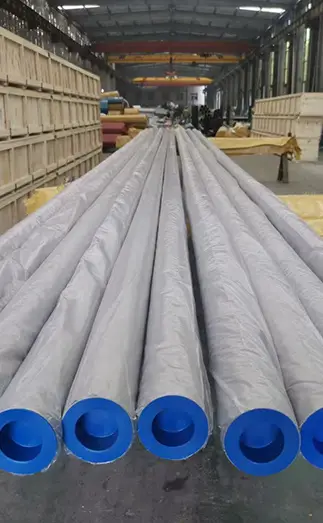
For example, API 5L is commonly associated with oil and gas transmission pipelines, while ASTM A312 stainless steel pipe can be considered for applications requiring greater corrosion resistance. ASTM A335 alloy steel pipe is used for elevated-temperature and high-pressure service.
6. Quick Pipeline Selection Guide
A simple selection process can be summarized as:
Transported medium → Design pressure → Operating temperature → Flow rate → Pipe diameter → Wall thickness → Material and grade
The final pipe specification should also take into account applicable standards, corrosion conditions, installation requirements, and project-specific engineering specifications.
FAQ
Q1: What factors should be considered when selecting a pipeline transportation system?
The main factors include transported medium, design pressure, operating temperature, flow rate, pipe diameter, wall thickness, material grade, and corrosion conditions.
Q2: What pipe is commonly used for oil and gas pipelines?
API 5L carbon steel line pipe is commonly used for oil and natural gas transmission applications.
Q3: How does operating pressure affect pipe selection?
Higher operating pressure generally requires a pipe with sufficient strength and an appropriate wall thickness to safely withstand internal pressure.
Q4: Why is pipe diameter important?
Pipe diameter affects flow capacity, flow velocity, pressure loss, and energy consumption. It should be selected according to the required transportation capacity and operating conditions.
Q5: Which materials are suitable for corrosive fluids?
Stainless steel grades such as TP304, TP304L, TP316, and TP316L may be considered when higher corrosion resistance is required.


 English
 Español
 Français
 بالعربية