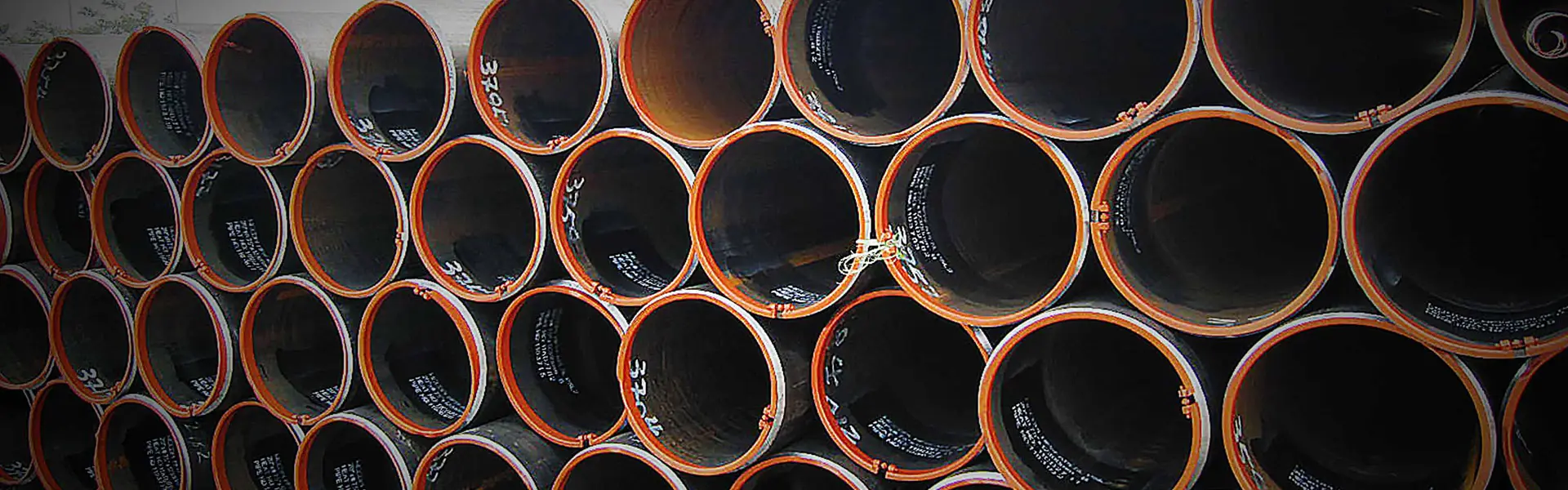
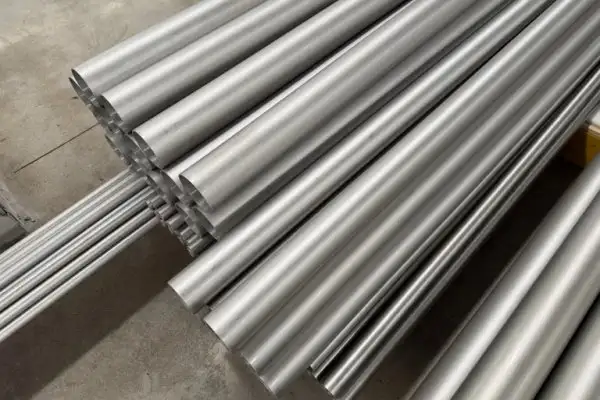
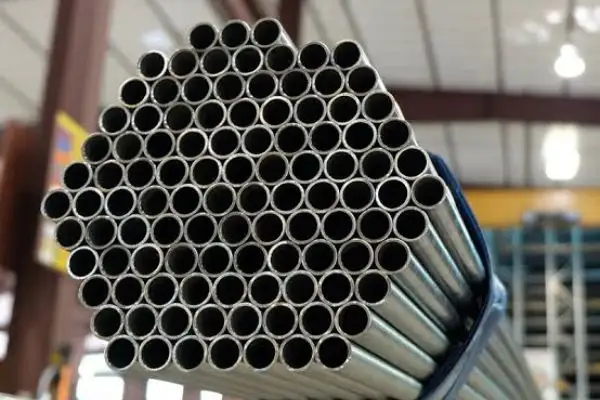
What Are Carbon Steel Pipe Standards?
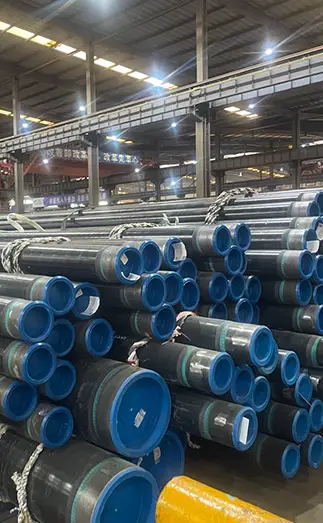
Carbon steel pipe standards define the technical requirements for pipe manufacturing, including chemical composition, mechanical properties, dimensions, manufacturing methods, testing, and inspection.
Different regions and industries use different standards according to their engineering requirements. Common systems include ASTM in the United States, EN in Europe, JIS in Japan, IS in India, BS in the United Kingdom, and AS in Australia.
The correct standard depends mainly on the pipe's service conditions, application, manufacturing method, and project specifications.
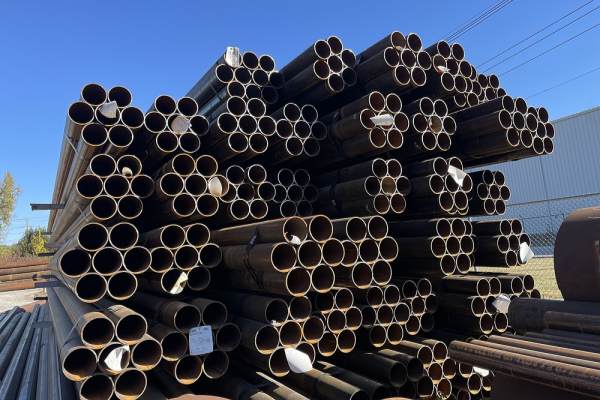
Common Carbon Steel Pipe Standards
|
Standard
|
Region
|
Typical Applications
|
|
ASTM A53
|
United States
|
Water, gas, steam and general piping
|
|
ASTM A106
|
United States
|
High-temperature and pressure service
|
|
API 5L
|
International
|
Oil and gas pipeline transportation
|
|
EN 10255
|
Europe
|
Water, gas and threaded piping systems
|
|
EN 10219
|
Europe
|
Structural steel sections
|
|
EN 10217
|
Europe
|
Welded pipes for pressure purposes
|
|
JIS G3444
|
Japan
|
Structural steel tubing
|
|
JIS G3452
|
Japan
|
Water, gas and steam piping
|
|
IS 1239
|
India
|
Water and gas pipelines
|
|
IS 3589
|
India
|
Large-diameter welded pipes
|
|
BS 1387
|
UK
|
General water and gas piping
|
|
AS 1074
|
Australia
|
Water, gas and industrial piping
|
Carbon Steel Pipe Standard Comparison
Different standards may cover similar pipe products, but their requirements and intended applications are not necessarily interchangeable.
|
Standard
|
Main Focus
|
Manufacturing
|
Typical Applications
|
|
ASTM A53
|
General-purpose piping
|
Seamless & ERW
|
Water, gas, steam, structural uses
|
|
ASTM A106
|
High-temperature service
|
Seamless
|
Boilers, refineries, pressure piping
|
|
API 5L
|
Pipeline transportation
|
Seamless, ERW, SAW
|
Oil, gas and slurry pipelines
|
|
EN 10255
|
Threaded and welded systems
|
Seamless & Welded
|
Water, gas and building services
|
|
EN 10219
|
Structural sections
|
Welded
|
Construction and structural fabrication
|
|
JIS G3444
|
Structural tubing
|
Seamless & Welded
|
Machinery and construction
|
|
JIS G3452
|
Ordinary piping
|
Seamless & Welded
|
Water, gas and steam
|
ASTM A53
ASTM A53 is widely used for general-purpose carbon steel piping. It covers seamless and ERW pipe for applications such as water, gas, steam, and structural services.
ASTM A106
ASTM A106 is primarily used for seamless carbon steel pipe in elevated-temperature applications. Typical services include refineries, boilers, power generation, and pressure piping.
API 5L
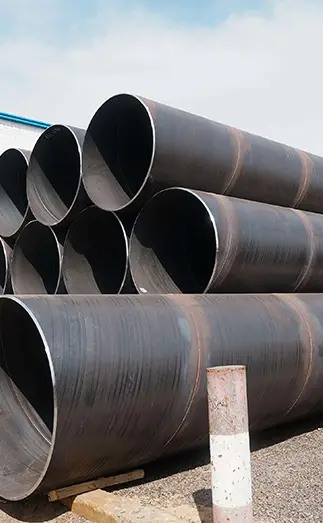
API 5L is designed for line pipe used to transport oil, natural gas, and other fluids. It is commonly specified for pipeline transportation systems.
EN 10255
EN 10255 covers steel pipe used in threaded and welded piping systems, including water supply, gas distribution, and building services.
JIS G3444
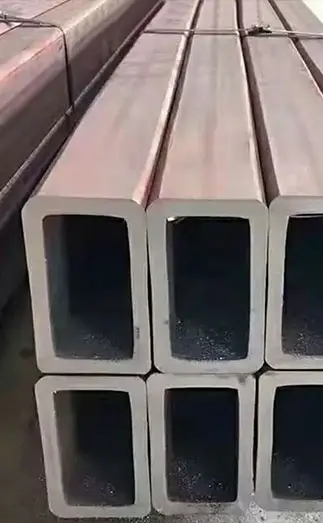
JIS G3444 is commonly applied to structural carbon steel tubing used in construction, machinery, and engineering projects.
BS 1387
BS 1387 was historically used for screwed and socketed steel tubes for water and gas services. Although the standard has been withdrawn, it may still appear in older specifications and references.
How to Select the Right Carbon Steel Pipe Standard?
Choosing a carbon steel pipe standard should not be based only on pipe size or material grade. Engineers normally evaluate four key factors:
Operating pressure and temperature
Type of transported medium
Seamless or welded manufacturing method
Applicable project or regional requirements
For example, a high-temperature refinery piping system may require ASTM A106, while an oil and gas transmission pipeline may specify API 5L.
Carbon Steel Pipe Standard Selection Guide
|
Project Requirement
|
Recommended Standard
|
Typical Application
|
|
General industrial piping
|
ASTM A53
|
Water, gas and utility systems
|
|
High-temperature service
|
ASTM A106
|
Boilers, refineries and pressure piping
|
|
Oil & gas transmission
|
API 5L
|
Pipeline transportation
|
|
Structural fabrication
|
EN 10219 / JIS G3444
|
Buildings and steel structures
|
|
Building services
|
EN 10255
|
Water, gas and threaded systems
|
|
Municipal water supply
|
IS 1239
|
Water distribution and utilities
|
FAQ
Q1: What is the most common carbon steel pipe standard?
ASTM A53 is widely used for general-purpose carbon steel piping, while ASTM A106 and API 5L are common for high-temperature and pipeline applications.
Q2: What standard is used for oil and gas pipelines?
API 5L is specifically developed for line pipe used in oil and natural gas transportation systems.
Q3: Is ASTM A53 the same as ASTM A106?
No. ASTM A53 is commonly used for general-purpose piping, while ASTM A106 is intended for seamless carbon steel pipe in high-temperature service.
Q4: How do I choose a carbon steel pipe standard?
Consider the pressure, temperature, transported medium, manufacturing method, and project specification before selecting the standard.


 English
 Español
 Français
 بالعربية