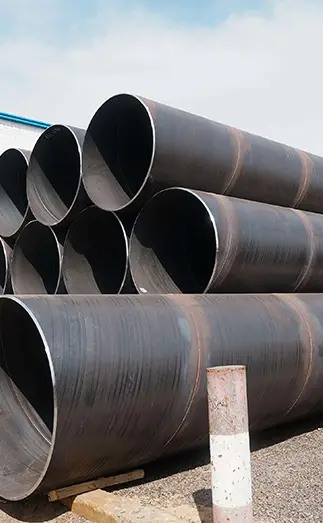
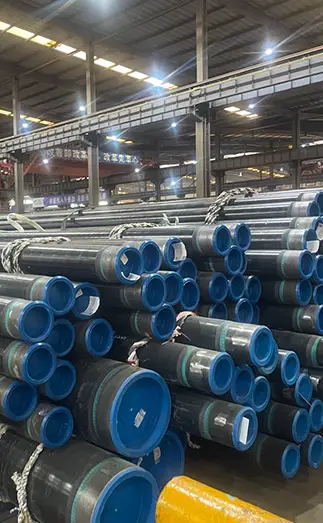
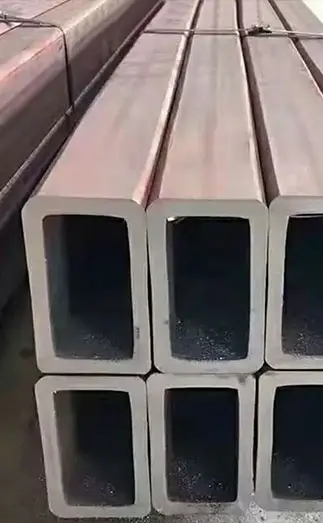
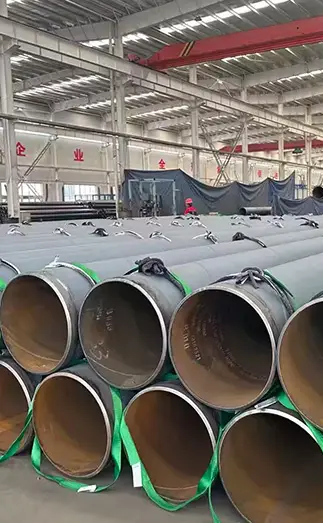
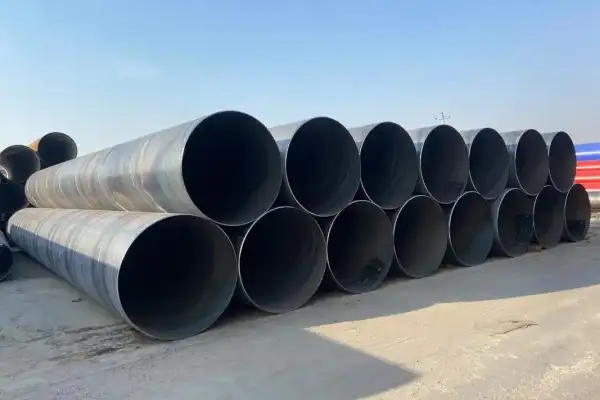
SHS steel (Square Hollow Section steel) is a widely used structural material in construction and engineering projects. Its service life is primarily determined by material quality, manufacturing process, service environment, and corrosion protection measures. Under normal conditions, high-quality SHS steel can achieve a service life of over 20 years, while low-quality materials or improper protection may result in premature failure within 5 years or less.
Therefore, selecting suitable SHS steel grades and applying appropriate corrosion protection measures based on actual operating conditions are essential to ensure long-term structural reliability and cost efficiency.
Factors Affecting the Service Life of SHS Steel
The service life of SHS steel varies significantly depending on multiple influencing factors. In practice, its lifespan can range from several years to several decades.
1. Material Quality
High-quality SHS steel grades such as Q235, Q345, or equivalent structural steels offer better mechanical strength and improved corrosion resistance, contributing to a longer service life compared with inferior materials.
2. Service Environment
Environmental conditions play a critical role in durability. SHS steel exposed to high humidity, salt spray, chemical vapors, or coastal and industrial atmospheres is more susceptible to corrosion, leading to accelerated deterioration.
3. Usage and Installation Method
Improper installation or long-term exposure to excessive loads, bending, or torsional stress may cause deformation or cracking. Correct design, installation, and load control are essential to avoid premature failure.
4. Maintenance Practices
Regular maintenance, including surface cleaning, rust removal, and recoating, can significantly extend the service life of SHS steel and reduce long-term maintenance costs.
Service Life of Carbon Steel SHS
For ordinary carbon steel SHS without special corrosion protection, the typical service life ranges from 10 to 15 years, depending on specific conditions:
Environmental exposure: In dry indoor environments, service life may exceed 15 years, while in humid, acid rain, or coastal areas, it may be reduced to 5–8 years.
Wall thickness and grade: SHS steel with wall thickness ≥2.0 mm generally offers better resistance to corrosion than thin-walled sections (≤1.5 mm), which are more prone to rust penetration.
Maintenance frequency: Periodic application of anti-corrosion coatings can extend service life by 3–5 years.
Service Life of Hot-Dip Galvanized SHS Steel
Hot-dip galvanizing significantly enhances durability by forming a protective zinc layer that isolates the steel from corrosive environments:
Standard zinc coating (~80 μm): Up to 30 years in normal atmospheric conditions per ISO 1461, and around 20 years in industrial or high-humidity environments.
Thick zinc coating (≥120 μm): Suitable for marine and offshore applications, with potential service life of 40–50 years, based on ASTM A123 performance data.
Galvanizing process: Hot-dip galvanizing provides superior corrosion resistance compared with electro-galvanizing due to better zinc layer thickness and adhesion.
How to Extend the Service Life of SHS Steel
To maximize durability and performance, the following measures are recommended:
Select appropriate SHS steel grades with sufficient strength and corrosion resistance.
Apply suitable corrosion protection solutions based on environmental exposure.
Establish a scheduled inspection and maintenance plan to identify and address early-stage corrosion.
Avoid mechanical overloading and ensure proper installation.
Proper Use and Maintenance of SHS Steel
Pre-use inspection: Check for surface damage, deformation, or internal defects before installation.
Handling and protection: Prevent impact and abrasion during transportation, handling, and installation.
Routine maintenance: Clean surfaces regularly and reapply protective coatings as needed.
Corrosion prevention: Choose corrosion protection systems suitable for outdoor, coastal, or chemically aggressive environments.
Avoid overuse: Design within allowable load limits to prevent fatigue and structural failure.
Summary
SHS steel is a versatile and cost-effective structural material, but its long-term performance depends heavily on material selection, corrosion protection, correct usage, and ongoing maintenance. By implementing appropriate protection strategies and maintenance practices, the service life of SHS steel can be significantly extended, ensuring structural safety and economic efficiency.
FAQ – SHS Steel Service Life
1. How long does SHS steel typically last?
High-quality SHS steel can last 20 years or more under normal conditions, while hot-dip galvanized SHS steel may achieve a service life of 30–50 years depending on the environment.
2. Is galvanized SHS steel worth the higher initial cost?
Yes. Although galvanized SHS steel has a higher upfront cost, its significantly longer service life and reduced maintenance requirements often result in lower life-cycle costs.
3. What wall thickness is recommended for long-term SHS steel applications?
For outdoor or load-bearing structures, a wall thickness of 2.0 mm or above is generally recommended to improve corrosion resistance and structural durability.
4. Can ordinary SHS steel be used outdoors?
Ordinary carbon steel SHS can be used outdoors, but it requires effective corrosion protection, such as painting or coating, and regular maintenance to prevent rapid deterioration.


 English
 Español
 Français
 بالعربية